
Find a product
Search by name and see the matching assessment immediately.
Dove beauty bar
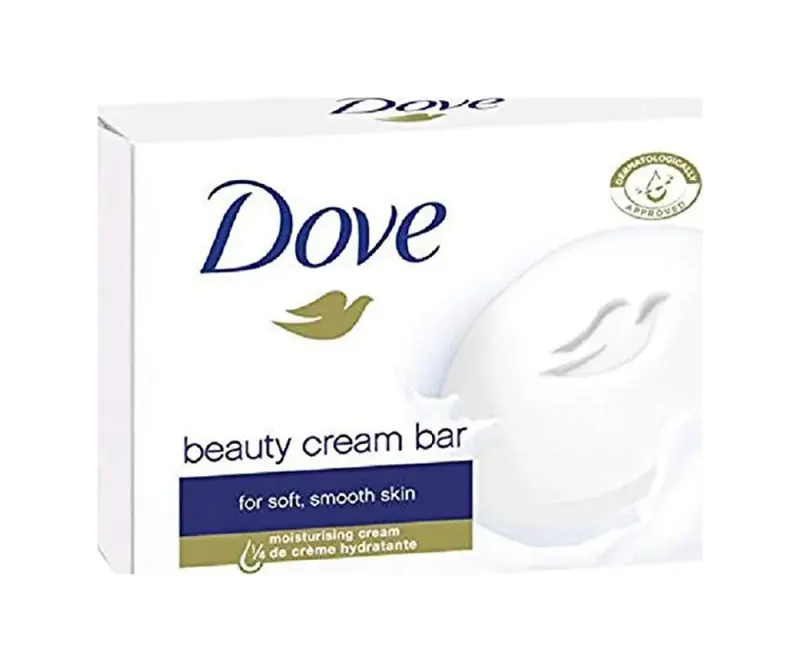
Dove
Beauty Cream Bar
Recorded formula. Check your pack.

Search 115,000+ products or scan an ingredient label for clear, evidence-led guidance.
Real feedback from people using MamaSkin during pregnancy and beyond.
Find the product, check the formula and read the source without losing context.
Search by name and see the matching assessment immediately.
Dove
Beauty Cream Bar
Recorded formula. Check your pack.
See the formula score and the ingredients shaping the result.
Formula assessment
A fragrance ingredient sets this formula’s high-risk band.
Understand the flag and open the source behind it.
Lilial appears on labels as Butylphenyl Methylpropional. The SCCS found a safety concern when exposure from multiple cosmetic products was combined.
Scientific evidence · combined exposure
“Butylphenyl methylpropional at the proposed concentrations cannot be considered as safe.”
SCCS: Lilial safety assessment
Search, scan and compare with clear evidence and guidance that follows your stage.
Search 115,000+ products, browse leading brands and explore Korean skincare in one place.
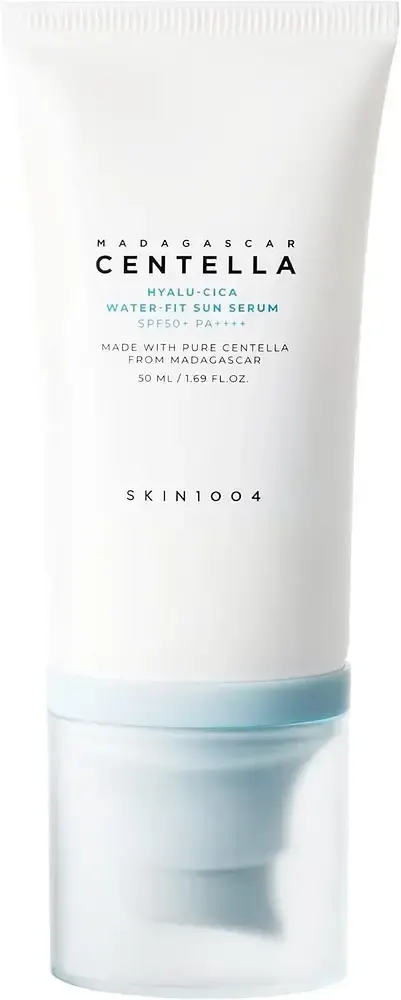
SKIN1004
Hyalu-Cica Water-Fit Sun Serum SPF50+
K-beautyNo known risks
Photograph an ingredient list and see every detected ingredient with its recorded assessment.
Read the risk band, plain-English context and source together.
Selected ingredient
ACOG includes azelaic acid among over-the-counter acne ingredients that can be used during pregnancy.
Pregnancy guidance
“Over-the-counter (OTC) products containing the following ingredients can be used during pregnancy: Azelaic acid.”
ACOG: Skin Conditions During Pregnancy
Keep both stages visible, with separate reasoning and evidence for each assessment.
MamaSkin applies a cautious pregnancy rating while the UK assessment supports BHT at the cosmetic concentrations it reviewed.
Pregnancy evidence
“Members agreed that there would be no appreciable increase in health risk following the addition of BHT in the following scenarios.”
UK SAG-CS opinion on BHT
No BHT-specific milk-transfer evidence was identified. This source supports the general precaution to avoid direct infant contact with treated skin.
Breastfeeding evidence
“It is important to ensure that the infant's skin does not come into direct contact with the areas of skin that have been treated.”
LactMed topical-use guidance
Compare two formulas, save a favourite and keep routine updates close by.
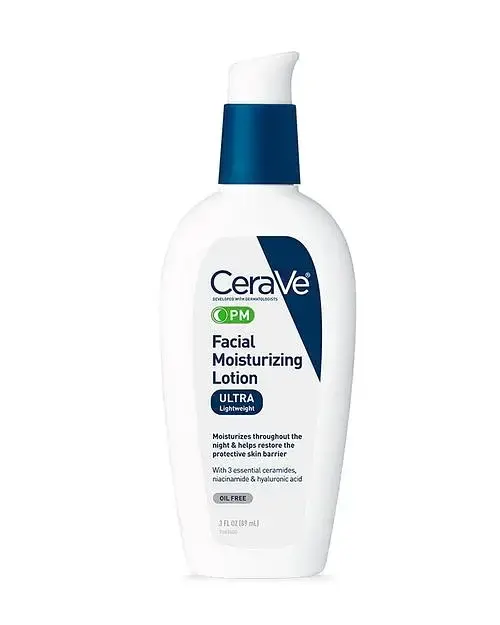
CeraVe
PM Facial Moisturizing Lotion
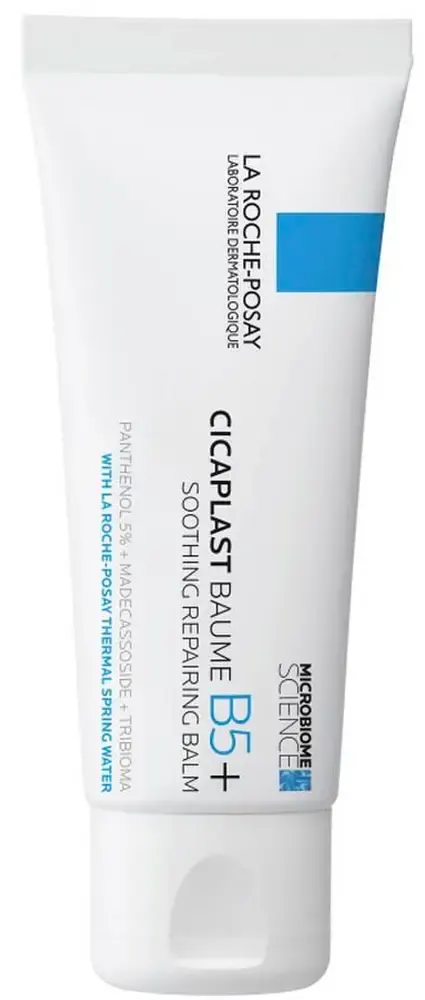
La Roche-Posay
Cicaplast Baume B5+
Use your due date to follow baby development and changes in your skin profile.
Baby development
Baby is practising movements and developing more defined features.
Your skin profile
Sensitive and dry, with stage-aware guidance kept in view.
Move through a formula to see how MamaSkin adds pregnancy context, risk bands and the evidence behind each result.
Formula-level match
Ingredients are normalised and checked together.
Pregnancy context
Risk, exposure and evidence quality stay connected.
Clear evidence notes
The reason behind a result remains visible.
Example formula
Tap an ingredient to inspect its context.
MamaSkin lens
Evidence stays attached
Scientific summary
The CIR Expert Panel concluded that niacinamide is safe as used in cosmetics. Pregnancy-specific topical trials remain limited.
Evidence interpretation
Low cosmetic-use exposure and good dermal tolerability support a low-concern interpretation for typical topical use, while the pregnancy evidence gap remains visible.
Illustrative ingredient examples. MamaSkin provides informational guidance and is not a substitute for medical advice.
Methodology
The same dataset behind the app powers each product result: hazard, mechanism, exposure, source quality, and pregnancy-specific context.
Severity 0.00-0.18
No pregnancy-specific concerns at typical cosmetic concentrations and routes of use, based on current evidence.
Niacinamide
Barrier-supporting vitamin B3 with no known pregnancy-specific risk in the dataset.
Panthenol
A pro-vitamin B5 humectant marked safe across ingredient references.
Severity 0.18-0.38
Minor cautions such as irritation potential, limited pregnancy data, or less transparent fragrance blends.
Azelaic Acid
Often used for blemishes and pigmentation; recorded as low risk with concentration context.
Lactic Acid
A gentle AHA at modest cosmetic strengths, with irritation as the main caution.
Severity 0.38-0.68
Ingredients we recommend avoiding or discussing first because of systemic, endocrine, or data-gap concerns.
BHT
Tracked as medium risk because of systemic and endocrine concern signals.
Oxybenzone
A sunscreen filter flagged for endocrine disruption concerns in the evidence set.
Severity 0.68-1.00
High-concern categories where strong warnings, contraindications, or systemic exposure drive the score.
Tretinoin
A retinoid category ingredient with strong pregnancy warnings in the dataset.
Isotretinoin
Systemic retinoid with well-known pregnancy contraindication warnings.
Band-first logic means the riskiest ingredient sets the product band, so one avoid-level ingredient cannot hide behind safer ones. Each example is tied to the medical and regulatory evidence base detailed below.
Scoring flow
Every product follows the same four-part process. The result keeps the underlying evidence visible instead of reducing a formula to an unexplained number.
We normalise each INCI list so product formulas line up with the ingredient library, including synonyms and dosage hints.
Matched ingredients carry hazard, mechanism, exposure, evidence, and source notes.
The riskiest ingredient sets the product band so one avoid-level ingredient cannot hide behind safer ones.
Severity is translated into the 0-100 MamaSkin Safety Score shown with ingredient explanations.
Clinical guardrails
Ingredient detail screens explain terms like teratogenic, contraindicated, endocrine disruptor, and fetotoxic in plain language.
Evidence base
Public medical, regulatory, and systematic-review sources are combined with product ingredient data and reviewed into plain-language flags.
Our story
MamaSkin began during our second pregnancy, after hours spent trying to make sense of conflicting skincare advice. We built the practical, evidence-led tool we wished we had.
A mother of two and the inspiration behind MamaSkin. Her experience researching products during pregnancy shaped the need for guidance that is reliable, specific and easy to use.
A technology professional with experience growing mission-led businesses. He turned that firsthand problem into a product parents can use in a shop, at home or on the go.
Our mission
Make skincare and beauty choices clearer for pregnancy and breastfeeding by combining useful technology with transparent scientific research.
Questions, answered
What MamaSkin checks, how the guidance works and where to find more detail.
MamaSkin combines a searchable catalogue of 115,000+ skincare, beauty, and cosmetic products with ingredient-label scanning. Each check uses maintained ingredient rules and evidence drawn from US, EU, and UK sources.
Yes. You can search the MamaSkin product catalogue as often as you need without subscribing. Ingredient-label scans may have separate limits.
Yes. MamaSkin provides guidance tailored to both pregnancy and breastfeeding, because the relevant considerations can differ between these stages.
Yes. MamaSkin can compare two recorded formulas side by side, including their safety scores, risk bands, ingredient profiles, and highlighted low, medium, or high pregnancy-risk differences.
MamaSkin Pro members can opt in to alerts after the MamaSkin team reviews a recorded formula or pregnancy-safety band change for a favourite or routine product.
Yes. Save products to your personal shelf, search your favourites, and organise products into morning and evening routines. Your saved shelf stays synced with your MamaSkin account on iOS and Android.
For You brings an optional daily check-in, pregnancy-stage guidance and your personalised skincare routine together. Add a due date for week-aware educational context and record how you and your skin feel. Tracker history, daily routine adaptation and the complete Mia guide are MamaSkin Pro features; linked free users keep a useful stage preview and one featured product per routine step.
MamaSkin presents each recorded formula with a safety score and a risk band from No Known Risks to High Risk. Ingredient-level flags and evidence notes explain which ingredients influenced the result. The risk band is the main safety conclusion, while the score adds detail within that band.
Mia can help with general questions about pregnancy, breastfeeding, babies, skincare, products, ingredients, food, and drink. Answers are written in plain English and include scientific and official sources so you can review the evidence. Mia is not the source of MamaSkin safety decisions or a substitute for medical advice.
No. Maintained ingredient rules and medical and regulatory evidence determine the risk bands. AI helps explain results in clearer language and can support product or label identification.
When you scan a label, we use on-screen OCR to extract the ingredient text and match it to our database. In some cases, we may send the photo to a third-party AI provider solely to identify the product or improve text extraction. We then use the extracted text to run the safety analysis. For details on how data is handled, please see our Privacy Policy.
Our guidance draws on peer-reviewed research and regulatory sources, including FDA, EMA, and NHS material. We review and update assessments as evidence and regulatory guidance change.
While MamaSkin is specifically designed for pregnancy safety, the app can be useful for anyone interested in understanding cosmetic ingredient safety. However, our recommendations are tailored for pregnancy-specific concerns.
If a product isn't in our catalogue, you can still scan the ingredients list and we'll analyse it against our research data. We're constantly adding new products, so check back regularly.
No. MamaSkin is a skincare information and personal journaling companion. It is not a medical device and does not diagnose, treat, cure, or prevent any medical condition. Always consult a qualified healthcare professional for medical advice, diagnosis, or treatment.