AXIS-Y
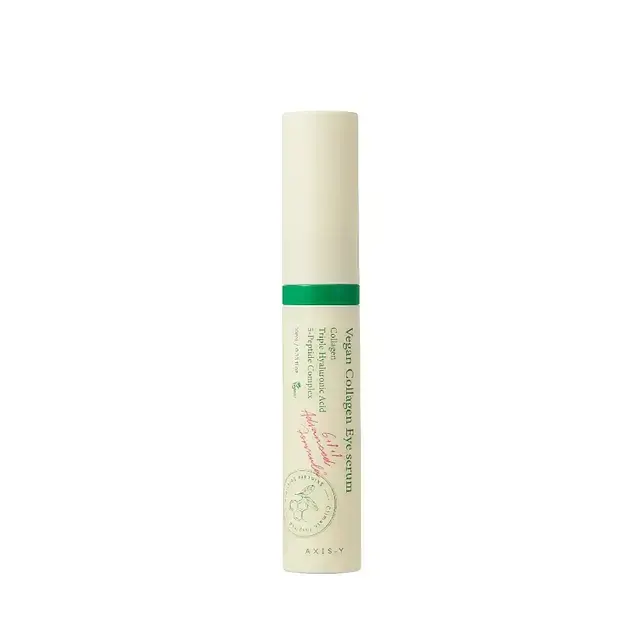
AXIS-Y Vegan Collagen Eye Serum
Eye Moisturizersmoisturisers
Safety score
Pregnancy-focused assessment
No Known Risks99/100
Higher concernLower concern
No higher-risk ingredients were identified in MamaSkin's current assessment. Check the latest package before deciding.
Formula and assessment check
Ingredient safety review updated 23 November 2025. Product formulas can change, so compare the ingredients shown here with the packaging you have.
Report a formula mismatchIngredient breakdown
See how the listed formula falls across MamaSkin's pregnancy-focused risk bands.
39
No known risks
0
Low risk
0
Medium risk
0
High risk
Ingredients
Ingredients with a higher risk flag appear first, followed by the rest of the formula.
Methylpropanediol
No Known RisksSolvent and humectant used to improve texture and ingredient delivery in topical cosmetic formulas. Reviewed cosmetic ingredient references do not identify a pregnancy- or breastfeeding-specific concern for normal topical use.
Sources: CIR cosmetic ingredient safety references for alkane diols; EU CosIng / cosmetics regulatory inventory
Glycerin
No Known RisksGlycerin is a widely used humectant that supports hydration and the skin barrier, with a long safety record and no known pregnancy or breastfeeding concerns in topical cosmetic use.
Sources: CIR; EU/UK Cosmetics Regulation
Show all (39)
1,2-Hexanediol
No Known Risks1,2-Hexanediol is commonly used as a solvent and preservative booster; topical exposure is low and it has no known pregnancy or breastfeeding concerns at cosmetic concentrations, though very sensitive skin may occasionally react.
Sources: CIR; EU/UK Cosmetics Regulation
Niacinamide
No Known RisksNiacinamide (vitamin B3) is widely used for barrier support and tone/texture benefits, and is generally considered safe in pregnancy and breastfeeding when used topically at cosmetic concentrations.
Sources: CIR; EU/UK Cosmetics Regulation
Adenosine
No Known RisksSkin-conditioning ingredient commonly used in leave-on skincare. Reviewed cosmetic safety sources support normal topical use, with no pregnancy- or breastfeeding-specific topical signal identified in the material reviewed.
Sources: CIR: Safety Assessment of Adenosine Ingredients as Used in Cosmetics; EU CosIng / cosmetics regulatory inventory
Collagen
No Known RisksA structural protein or hydrolysed peptide used for skin or hair conditioning. Cosmetic safety reviewers concluded that the assessed skin and connective-tissue-derived proteins are safe in current practices, subject to appropriate animal-source and impurity controls. Protein sensitivity remains possible.
Sources: CIR: Safety Assessment of Skin and Connective Tissue-Derived Proteins and Peptides as Used in Cosmetics https://www.cir-safety.org/sites/default/files/tsupep092017final.pdf
Sodium Hyaluronate
No Known RisksSodium hyaluronate (hyaluronic acid salt) is used for hydration and cushioning, with very low systemic absorption from topical use and no known pregnancy or breastfeeding concerns at cosmetic concentrations.
Sources: CIR; EU/UK Cosmetics Regulation
Hydrolyzed Hyaluronic Acid
No Known RisksHumectant and skin-conditioning ingredient in the hyaluronate family. Reviewed cosmetic safety sources support current cosmetic use, with no pregnancy- or breastfeeding-specific topical concern identified in the material reviewed.
Sources: CIR: Safety Assessment of Hyaluronates as Used in Cosmetics; EU CosIng / cosmetics regulatory inventory
Sodium Acetylated Hyaluronate
No Known RisksModified hyaluronate humectant and skin-conditioning ingredient. Reviewed cosmetic safety sources support topical hyaluronate ingredients, with no pregnancy- or breastfeeding-specific concern identified for normal cosmetic use.
Sources: CIR: Safety Assessment of Hyaluronates as Used in Cosmetics; EU CosIng / cosmetics regulatory inventory
Tripeptide-1
No Known RisksShort synthetic peptide used as a skin-conditioning cosmetic ingredient. Cosmetic safety review sources for tripeptide-1 and related derivatives do not identify a pregnancy- or breastfeeding-specific concern for normal topical cosmetic use.
Sources: CIR Expert Panel. Safety Assessment of Tripeptide-1, Hexapeptide-12, their metal salts and fatty acyl derivatives, and Palmitoyl Tetrapeptide-7 as used in cosmetics. Final report, 2014; Schagen 2017 doi:10.3390/cosmetics4020016.
Palmitoyl Pentapeptide-4
No Known RisksSynthetic palmitoylated signal peptide used in topical anti-aging cosmetics. It is one of the better-studied cosmetic peptides, with reviewed topical literature describing controlled cosmetic studies and no pregnancy- or breastfeeding-specific concern for normal topical cosmetic use.
Sources: Schagen SK. Topical Peptide Treatments with Effective Anti-Aging Results. Cosmetics. 2017;4(2):16. doi:10.3390/cosmetics4020016; Robinson LR et al. Topical palmitoyl pentapeptide provides improvement in photoaged human facial skin. Int J Cosmet Sci. 2005;27(3):155-160.
Hexapeptide-9
No Known RisksSynthetic cosmetic peptide used in topical anti-aging and skin-conditioning formulas. Available cosmetic ingredient references and topical peptide literature do not identify a known pregnancy- or breastfeeding-specific concern for normal topical cosmetic use.
Sources: Schagen SK. Topical Peptide Treatments with Effective Anti-Aging Results. Cosmetics. 2017;4(2):16. doi:10.3390/cosmetics4020016; EU CosIng / INCI cosmetic ingredient references.
Acetyl Hexapeptide-8
No Known RisksSynthetic peptide used as a skin-conditioning ingredient. Reviewed cosmetic safety sources do not indicate a known pregnancy- or breastfeeding-specific concern in normal topical cosmetic use. The available cosmetic safety assessment concluded this ingredient is safe in cosmetics at concentrations up to 0.005%; safety above that concentration was not established in the reviewed report.
Sources: CIR Expert Panel, Safety Assessment of Acetyl Hexapeptide-8 Amide as Used in Cosmetics, final report, 2021
Copper Tripeptide-1
No Known RisksCopper-binding carrier peptide also known as GHK-Cu, used topically in cosmetic skin-renewal, anti-aging, barrier-support and hair/scalp products. Reviewed literature describes topical cosmetic use and does not identify a pregnancy- or breastfeeding-specific risk signal for normal topical use. This assessment does not apply to injectable copper peptides or oral peptide/copper supplementation.
Sources: Schagen SK. Topical Peptide Treatments with Effective Anti-Aging Results. Cosmetics. 2017;4(2):16. doi:10.3390/cosmetics4020016; Pickart L et al. Regenerative and Protective Actions of the GHK-Cu Peptide in the Light of the New Gene Data. Int J Mol Sci. 2018;19(7):1987. doi:10.3390/ijms19071987.
Pyrus Malus Fruit Extract
No Known RisksAn apple fruit extract used mainly for skin conditioning. Cosmetic safety reviewers concluded that Pyrus malus fruit extract and the other supported apple-derived ingredients are safe in current cosmetic practices of use and concentration. The conclusion does not extend to several separately identified root, stem, callus or oil ingredients for which evidence was insufficient. No pregnancy-specific concern was identified for normal topical use of the fruit extract.
Sources: CIR: Safety Assessment of Apple-Derived Ingredients as Used in Cosmetics https://cir-reports.cir-safety.org/view-attachment/?id=6376dcde-b1aa-f075-b67c-6f6773d065ce
Prunus Mume Fruit Extract
No Known RisksA botanical extract, juice or water used primarily for skin conditioning, moisturising, soothing or antioxidant support. Direct pregnancy studies of the named cosmetic material were not identified. No reproductive or developmental hazard was identified for normal topical exposure to a compliant finished cosmetic; oral herbal or medicinal use is outside this classification.
Sources: European Commission CosIng ingredient inventory; Cosmetic Ingredient Review botanical safety-assessment framework and relevant plant-family assessments. No ingredient-specific human pregnancy study of normal topical cosmetic use was identified.
Vitis Vinifera Fruit Extract
No Known RisksA grape fruit or seed extract used for skin conditioning and antioxidant support. Cosmetic safety reviewers concluded that the assessed Vitis vinifera-derived ingredients are safe in current practices when formulated to be non-irritating and non-sensitising. Botanical sensitivity remains possible.
Sources: CIR: Safety Assessment of Vitis vinifera (Grape)-Derived Ingredients as Used in Cosmetics https://www.cir-safety.org/supplementaldoc/safety-assessment-vitis-vinifera-grape-derived-ingredients-used-cosmetics
Helianthus Annuus Seed Oil
No Known RisksHelianthus annuus (sunflower) seed oil is a common emollient rich in fatty acids and is generally well tolerated, with no known pregnancy or breastfeeding concerns in topical cosmetic use.
Sources: CIR; EU/UK Cosmetics Regulation
Simmondsia Chinensis Seed Oil
No Known RisksPlant-derived emollient oil used to soften skin and improve formula feel. Reviewed cosmetic safety sources support current cosmetic use, with no pregnancy- or breastfeeding-specific topical concern identified in the material reviewed.
Sources: CIR: Final Report on the Safety Assessment of Simmondsia Chinensis (Jojoba) Seed Oil and related jojoba-derived ingredients; EU CosIng / cosmetics regulatory inventory
Limnanthes Alba Seed Oil
No Known RisksThis plant-derived fatty oil or butter is used as an emollient and skin-conditioning ingredient. The Cosmetic Ingredient Review concluded that assessed plant-derived fatty acid oils are safe as used in cosmetics; individual plant allergy and ingredient purity remain practical considerations.
Sources: CIR: Safety Assessment of Plant-Derived Fatty Acid Oils https://cir-reports.cir-safety.org/view-attachment/?id=ad62ac6b-8e74-ec11-8943-0022482f06a6
Carica Papaya Fruit Extract
No Known RisksA papaya fruit extract used for skin conditioning. Cosmetic safety reviewers concluded that Carica papaya fruit and fruit-derived ingredients are safe in current cosmetic practices; this conclusion does not extend to papaya leaf extract, for which the available evidence was insufficient. No pregnancy-specific concern was identified for normal topical cosmetic exposure.
Sources: CIR: Safety Assessment of Carica papaya-Derived Ingredients as Used in Cosmetics, final 2025 https://cir-reports.cir-safety.org/view-attachment/?id=3ca24ad2-9f93-1b6c-a453-2da467b3c7c2
Centella Asiatica Extract
No Known RisksBotanical skin-conditioning ingredient used in soothing and barrier-support formulas. Reviewed cosmetic safety sources support current cosmetic use when formulated to be non-sensitising, with no pregnancy- or breastfeeding-specific topical concern identified in the material reviewed.
Sources: CIR: Safety Assessment of Centella asiatica-derived Ingredients as Used in Cosmetics; EU CosIng / cosmetics regulatory inventory
Ficus Carica Fruit Extract
No Known RisksA fruit, seed or food-plant extract used for skin conditioning and antioxidant support. No pregnancy-specific signal was identified for the low topical exposure expected from a finished cosmetic. Direct pregnancy studies are generally unavailable, and botanical allergy remains possible.
Sources: European Commission CosIng ingredient inventory; CIR botanical safety framework and relevant fruit-derived ingredient assessments; peer-reviewed cosmetic and phytochemical literature for the named plants.
Ulmus Davidiana Root Extract
No Known RisksA Japanese elm root extract used as a skin-conditioning botanical. No pregnancy- or breastfeeding-specific hazard was identified for normal topical cosmetic exposure. Direct ingredient-specific pregnancy studies were not identified, so this assessment does not extend to oral supplements or medicinal use.
Sources: European Commission CosIng ingredient inventory; Cosmetic Ingredient Review botanical safety-assessment framework and relevant ingredient-family assessments. No ingredient-specific human pregnancy study of normal topical cosmetic use was identified.
Amaranthus Caudatus Seed Extract
No Known RisksA cosmetic extract from an edible fruit, seed, grain, root or mushroom used for conditioning or antioxidant support. Normal topical cosmetic exposure is much lower than ordinary dietary exposure to the source material, and no pregnancy-specific hazard signal was identified. Exact extract composition varies, so source quality and individual food or plant allergy remain relevant.
Sources: European Commission CosIng ingredient inventory; CIR botanical safety framework and relevant plant-derived ingredient assessments; FDA food ingredient and GRAS inventories where applicable.
Ceramide NP
No Known RisksSkin-identical barrier lipid used to support the stratum corneum and reduce dryness. Reviewed cosmetic safety sources support normal topical use, with no pregnancy- or breastfeeding-specific topical signal identified in the material reviewed.
Sources: CIR: Safety Assessment of Ceramides as Used in Cosmetics; EU CosIng / cosmetics regulatory inventory
Hydrogenated Lecithin
No Known RisksHydrogenated emulsifier used to support skin barrier feel. Not associated with pregnancy-specific concerns.
Sources: Cosmetic Ingredient Review (US)
Leuconostoc/Radish Root Ferment Filtrate
No Known RisksA filtered radish-root fermentation product used mainly for skin conditioning and formulation support. Cosmetic safety reviewers concluded that the reviewed radish-root-derived ingredients, including Leuconostoc/Radish Root Ferment Filtrate, are safe in current cosmetic use when formulated to be non-irritating. Testing at cosmetic-relevant concentrations did not identify irritation, sensitization, phototoxicity or ocular irritation concerns.
Sources: CIR: Safety Assessment of Radish Root-Derived Ingredients https://cir-safety.org/sites/default/files/FR_RadishRoot_062022.pdf
Butylene Glycol
No Known RisksSolvent and humectant commonly used in leave-on products. Not associated with pregnancy-specific concerns at cosmetic exposure levels.
Sources: Cosmetic Ingredient Review (US); Scientific Committee on Consumer Safety (EU)
Hydroxyethyl Acrylate/Sodium Acryloyldimethyl Taurate Copolymer
No Known RisksLarge polymer thickener, stabilizer and texture ingredient used in gels, creams and sunscreens. Systemic exposure from topical cosmetic use is expected to be low, with no pregnancy- or breastfeeding-specific concern identified in reviewed cosmetic references.
Sources: CIR cosmetic ingredient safety references for acrylates copolymers; EU CosIng / cosmetics regulatory inventory
C13-14 Alkane
No Known Risksc13-14 alkane is a cosmetic polymer, film former or high-molecular-weight texture aid. Systemic dermal absorption is expected to be limited when manufactured with appropriate residual-monomer and impurity controls. No pregnancy-specific concern was identified for normal cosmetic use; avoid inhaling airborne powder or spray droplets.
Sources: CIR hydrocarbon, alkane and synthetic-polymer safety assessments; European Commission CosIng; CIR Quick Reference Table https://www.cir-safety.org/supplementaldoc/quick-reference-table-december-2025
Sodium Acrylic Acid/Ma Copolymer
No Known RisksC15-23 Alkane
No Known Risksc15-23 alkane is a cosmetic hydrocarbon, alkane or insoluble texture material. Systemic dermal exposure is expected to be low and no pregnancy-specific concern was identified for normal topical use. Cosmetic-grade purity is required and airborne powder or spray droplets should not be inhaled.
Sources: CIR hydrocarbon, alkane and cosmetic-polymer assessments; CIR Quick Reference Table https://www.cir-safety.org/supplementaldoc/quick-reference-table-december-2025.
Ethylhexylglycerin
No Known RisksPreservative booster and skin-conditioning agent. Considered safe for cosmetic use with low systemic exposure when used as intended.
Sources: Scientific Committee on Consumer Safety (EU); Cosmetic Ingredient Review (US)
Decyl Glucoside
No Known RisksMild nonionic surfactant used in cleansers and emulsions. Reviewed cosmetic ingredient references support normal topical rinse-off and leave-on use, with no pregnancy- or breastfeeding-specific concern identified; sensitive skin may still react to surfactants.
Sources: CIR: Safety Assessment of Alkyl Glucosides as Used in Cosmetics; EU CosIng / cosmetics regulatory inventory
Caprylyl Glycol
No Known RisksHumectant and preservative booster used to support product stability. Low systemic exposure expected from topical cosmetic use.
Sources: Scientific Committee on Consumer Safety (EU); Cosmetic Ingredient Review (US)
Polyglyceryl-10 Stearate
No Known RisksAn ester of polyglycerin and stearic acid used as an emulsifier and skin-conditioning ingredient. Cosmetic safety reviewers concluded that polyglyceryl fatty acid esters, including Polyglyceryl-10 Stearate, are safe in current cosmetic use when formulated to be non-irritating.
Sources: CIR: Safety Assessment of Polyglyceryl Fatty Acid Esters https://www.cir-safety.org/sites/default/files/PGlyFE092016FR.pdf
Tocopherol
No Known RisksVitamin E antioxidant used to protect oils and support the skin barrier. Not associated with pregnancy-specific concerns at cosmetic exposure.
Sources: Cosmetic Ingredient Review (US); Scientific Committee on Consumer Safety (EU)
Formulations can change without notice. For the most accurate result, compare this list with your packaging and scan the exact ingredient label in MamaSkin when you repurchase.
How to use this assessment
The risk band is the primary conclusion. The score adds detail within that band and should not be used to compare products as if a one-point difference were clinically meaningful.
MamaSkin provides pregnancy-focused information, not medical advice. Your midwife, GP, pharmacist or dermatologist should take priority when your circumstances differ from typical cosmetic use.