Beauty of Joseon
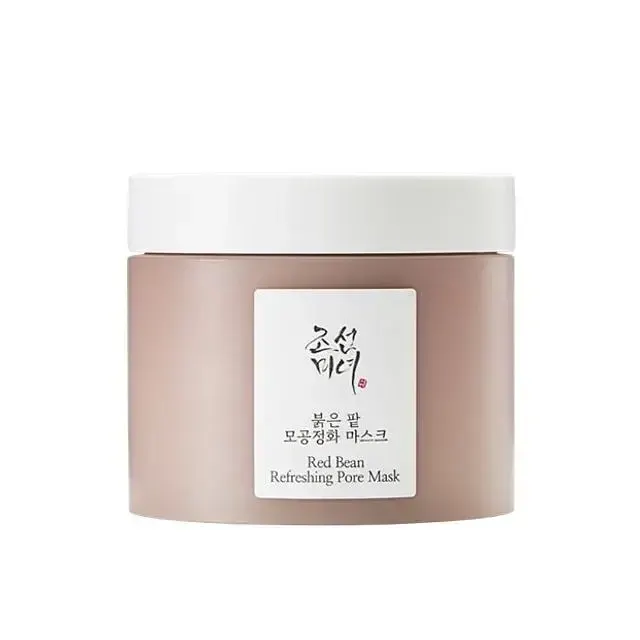
Beauty of Joseon Red Bean Refreshing Pore Mask
Wash Off Masksmasks
Safety score
Pregnancy-focused assessment
No Known Risks99/100
Higher concernLower concern
No higher-risk ingredients were identified in MamaSkin's current assessment. Check the latest package before deciding.
Formula and assessment check
Ingredient safety review updated 24 November 2025. Product formulas can change, so compare the ingredients shown here with the packaging you have.
Report a formula mismatchIngredient breakdown
See how the listed formula falls across MamaSkin's pregnancy-focused risk bands.
24
No known risks
0
Low risk
0
Medium risk
0
High risk
Ingredients
Ingredients with a higher risk flag appear first, followed by the rest of the formula.
Glycerin
No Known RisksGlycerin is a widely used humectant that supports hydration and the skin barrier, with a long safety record and no known pregnancy or breastfeeding concerns in topical cosmetic use.
Sources: CIR; EU/UK Cosmetics Regulation
Kaolin
No Known RisksNaturally sourced clay used for absorbency and oil control. Reviewed cosmetic safety sources support normal topical cosmetic use; this assessment does not cover deliberate inhalation of loose powder.
Sources: CIR: Safety Assessment of Naturally-Sourced Clays as Used in Cosmetics; EU CosIng / cosmetics regulatory inventory
Show all (24)
Caprylic/Capric Triglyceride
No Known RisksCommon emollient derived from fatty acids and glycerin. Used to soften skin and improve texture without pregnancy-specific concerns.
Sources: Cosmetic Ingredient Review (US); Scientific Committee on Consumer Safety (EU)
1,2-Hexanediol
No Known Risks1,2-Hexanediol is commonly used as a solvent and preservative booster; topical exposure is low and it has no known pregnancy or breastfeeding concerns at cosmetic concentrations, though very sensitive skin may occasionally react.
Sources: CIR; EU/UK Cosmetics Regulation
Phaseolus Angularis Seed Powder
No Known RisksHectorite
No Known RisksA naturally sourced clay used as an absorbent, bulking agent or texture aid. CIR concluded that Hectorite, Illite and Montmorillonite are safe in current cosmetic practices, except that available data are insufficient for products that may be incidentally inhaled. No pregnancy-specific systemic concern was identified for topical use; cosmetic-grade sourcing should control crystalline silica, heavy metals and microbial contamination.
Sources: CIR: Amended Safety Assessment of Naturally-Sourced Clays https://cir-reports.cir-safety.org/view-attachment/?id=d5fd5bfa-685d-6aab-94d5-67acbc8713fb; CIR Final Amended Report https://cir-safety.org/sites/default/files/FAR_Clays_032023.pdf.
Cetyl Alcohol
No Known RisksFatty alcohol used to improve texture and skin feel. Considered safe for cosmetic use without pregnancy-specific concerns.
Sources: Cosmetic Ingredient Review (US); Scientific Committee on Consumer Safety (EU)
Glyceryl Stearate Se
No Known RisksSelf-emulsifying form of glyceryl stearate used to stabilize creams and lotions. Reviewed cosmetic safety sources support normal topical use, with no pregnancy- or breastfeeding-specific concern identified.
Sources: CIR cosmetic ingredient safety references for glyceryl stearate and self-emulsifying emulsifiers; EU CosIng / cosmetics regulatory inventory
Cetearyl Olivate
No Known RisksEmollient ester/emulsifier used to improve skin feel and stabilise emulsions. Reviewed cosmetic safety sources support topical cosmetic use; the relevant practical caveat is formulation irritation potential rather than a pregnancy-specific concern.
Sources: CIR: Amended Safety Assessment of Alkyl Esters as Used in Cosmetics; CIR Quick Reference Table (Cetearyl Olivate); EU CosIng / cosmetics regulatory inventory
Sorbitan Olivate
No Known RisksOlive-derived sorbitan ester used as an emulsifier and skin-conditioning ingredient. Reviewed cosmetic safety references do not identify a pregnancy- or breastfeeding-specific concern for normal topical use.
Sources: CIR: Safety Assessment of Sorbitan Esters as Used in Cosmetics; EU CosIng / cosmetics regulatory inventory
Phaseolus Angularis Seed Extract
No Known RisksUltramarines
No Known RisksPigment used to add blue/violet tones in makeup. In typical topical use it has very low dermal absorption and is generally considered acceptable in pregnancy and breastfeeding. If you prefer a cautious approach, avoid inhaling loose powders or sprays.
Sources: General cosmetic ingredient safety references for pigments; exposure route considerations for powders/sprays.
Pyrus Communis Fruit Extract
No Known RisksA botanical extract, plant water or plant juice used for conditioning, soothing or antioxidant support. Direct pregnancy studies of this exact cosmetic material were not identified, but no reproductive or developmental hazard was identified for normal topical exposure. Oral herbal or medicinal use is outside this classification.
Sources: European Commission CosIng ingredient inventory; CIR botanical safety framework and relevant plant-derived ingredient assessments; no ingredient-specific human pregnancy study of normal topical cosmetic use was identified.
Ethylhexylglycerin
No Known RisksPreservative booster and skin-conditioning agent. Considered safe for cosmetic use with low systemic exposure when used as intended.
Sources: Scientific Committee on Consumer Safety (EU); Cosmetic Ingredient Review (US)
Sodium Acrylate/Sodium Acryloyldimethyl Taurate Copolymer
No Known RisksA large synthetic polymer used to thicken and stabilise cosmetic emulsions. Related acrylate copolymers have low dermal absorption because of their molecular size, and cosmetic safety reviewers concluded that this polymer family is safe when formulas avoid irritation and residual monomers are appropriately controlled. Exact pregnancy-specific topical studies are limited, but no pregnancy-specific concern was identified for normal exposure to the finished polymer in a compliant cosmetic.
Sources: CIR: Amended Safety Assessment of Acrylates Copolymers as Used in Cosmetics https://cir-reports.cir-safety.org/view-attachment?id=c3a1aad1-8c74-ec11-8943-0022482f06a6; CIR: Final Report on Acrylates Copolymer and Related Ingredients https://cir-reports.cir-safety.org/view-attachment/?id=c9cc1a17-8e74-ec11-8943-0022482f06a6
Hedera Helix Leaf/Stem Extract
No Known RisksA botanical extract or plant water used for conditioning, soothing or antioxidant support. Direct pregnancy studies of this exact cosmetic material were not identified, but no reproductive or developmental hazard was identified for normal topical exposure. Oral herbal or medicinal use is outside this classification.
Sources: European Commission CosIng; CIR botanical safety framework and relevant plant-family assessments; no ingredient-specific human pregnancy study of normal topical cosmetic use was identified.
Polyisobutene
No Known RisksA large, mostly insoluble polymer used as a binder, film former and texture ingredient. Cosmetic safety reviewers concluded that polyisobutene is safe in current cosmetic use; slow absorption and reproductive data on related polybutene do not indicate a pregnancy-specific concern from normal topical exposure.
Sources: CIR: Final Report on Polyisobutene and Hydrogenated Polyisobutene https://www.cir-safety.org/sites/default/files/polyene.pdf
Fragaria Chiloensis Fruit Extract
No Known RisksA botanical extract or plant water used for conditioning, soothing or antioxidant support. Direct pregnancy studies of this exact cosmetic material were not identified, but no reproductive or developmental hazard was identified for normal topical exposure. Oral herbal or medicinal use is outside this classification.
Sources: European Commission CosIng; CIR botanical safety framework and relevant plant-family assessments; no ingredient-specific human pregnancy study of normal topical cosmetic use was identified.
Pyrus Malus Leaf Extract
No Known RisksCI 77491
No Known RisksColour Index for iron oxides (red). Used as an insoluble mineral pigment in makeup and tinted skincare. Very low dermal absorption in typical topical use and generally considered acceptable in pregnancy and breastfeeding. Avoid inhaling loose powders or sprays if you prefer a cautious approach.
Sources: General cosmetic ingredient safety references for insoluble mineral pigments; exposure route considerations for powders/sprays.
Caprylyl/Capryl Glucoside
No Known RisksThis glucose-derived nonionic surfactant or emulsifier is used in cleansers and emulsions. The Cosmetic Ingredient Review concluded that alkyl glucosides are safe in current cosmetic use when formulated to be non-irritating; sensitive skin can still react to surfactants.
Sources: CIR: Safety Assessment of Decyl Glucoside and Other Alkyl Glucosides as Used in Cosmetics https://cir-reports.cir-safety.org/view-attachment/?id=9810a771-8e74-ec11-8943-0022482f06a6
Sorbitan Oleate
No Known RisksThis sorbitan fatty-acid ester is an emulsifier that helps oil and water phases remain mixed. The Cosmetic Ingredient Review concluded that sorbitan esters are safe in current cosmetic use; occasional contact reactions remain possible in sensitive users.
Sources: CIR: Safety Assessment of Sorbitan Esters as Used in Cosmetics https://www.cir-safety.org/supplementaldoc/safety-assessment-sorbitan-esters-used-cosmetics
Triethoxycaprylylsilane
No Known RisksSilane coating and dispersion aid used on pigments and mineral particles. Reviewed cosmetic safety sources support normal topical use, with no pregnancy- or breastfeeding-specific topical signal identified in the material reviewed.
Sources: CIR: Safety Assessment of Alkoxyl Alkyl Silanes as Used in Cosmetics; EU CosIng / cosmetics regulatory inventory
Formulations can change without notice. For the most accurate result, compare this list with your packaging and scan the exact ingredient label in MamaSkin when you repurchase.
How to use this assessment
The risk band is the primary conclusion. The score adds detail within that band and should not be used to compare products as if a one-point difference were clinically meaningful.
MamaSkin provides pregnancy-focused information, not medical advice. Your midwife, GP, pharmacist or dermatologist should take priority when your circumstances differ from typical cosmetic use.