Cetaphil
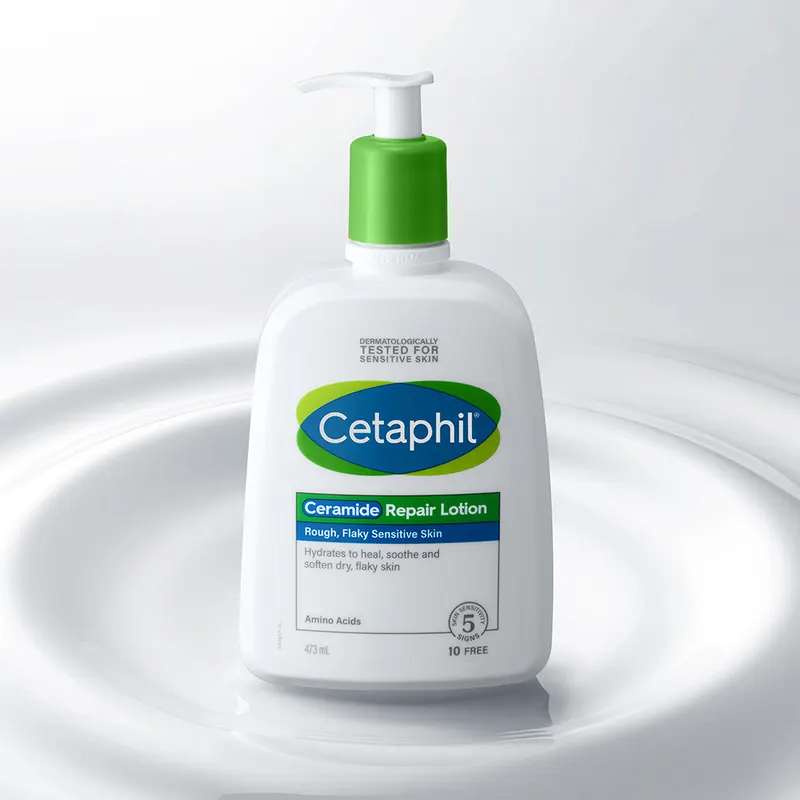
Cetaphil Ceramide Repair Lotion
Body Lotionsbody care
Safety score
Pregnancy-focused assessment
No Known Risks99/100
Higher concernLower concern
No higher-risk ingredients were identified in MamaSkin's current assessment. Check the latest package before deciding.
Formula and assessment check
Ingredient safety review updated 26 March 2026. Product formulas can change, so compare the ingredients shown here with the packaging you have.
Report a formula mismatchIngredient breakdown
See how the listed formula falls across MamaSkin's pregnancy-focused risk bands.
29
No known risks
0
Low risk
0
Medium risk
0
High risk
Ingredients
Ingredients with a higher risk flag appear first, followed by the rest of the formula.
Glycerin
No Known RisksGlycerin is a widely used humectant that supports hydration and the skin barrier, with a long safety record and no known pregnancy or breastfeeding concerns in topical cosmetic use.
Sources: CIR; EU/UK Cosmetics Regulation
Caprylic/Capric Triglyceride
No Known RisksCommon emollient derived from fatty acids and glycerin. Used to soften skin and improve texture without pregnancy-specific concerns.
Sources: Cosmetic Ingredient Review (US); Scientific Committee on Consumer Safety (EU)
Show all (29)
Helianthus Annuus (Sunflower) Seed Oil
No Known RisksA plant-derived fatty oil or butter used mainly as an emollient, conditioning ingredient or texture agent. Cosmetic safety reviewers concluded that the assessed plant-derived fatty acid oils are safe in current practices of use and concentration. This conclusion applies to cosmetic-grade fixed oils rather than similarly named volatile essential oils. Seed or food allergy may still matter for a susceptible person.
Sources: CIR: Safety Assessment of Plant-Derived Fatty Acid Oils as Used in Cosmetics https://cir-reports.cir-safety.org/view-attachment/?id=ad62ac6b-8e74-ec11-8943-0022482f06a6
Pentylene Glycol
No Known RisksHumectant and preservative booster. Considered safe for cosmetic use with low systemic exposure.
Sources: Cosmetic Ingredient Review (US); Scientific Committee on Consumer Safety (EU)
Butyrospermum Parkii (Shea) Butter
No Known RisksPlant-derived emollient widely used to moisturise skin. Long history of cosmetic use without pregnancy-specific safety concerns.
Sources: Cosmetic Ingredient Review (US); dermatology consensus
Cyclopentasiloxane
No Known RisksSilicone emollient and solvent used to improve slip and spreadability. No known pregnancy- or breastfeeding-specific concern in normal topical cosmetic use based on reviewed cosmetic safety sources. Spray or aerosol formats may warrant extra caution because inhalation/local lung exposure concerns have been raised for those uses.
Sources: SCCS: Cyclopentasiloxane (D5) in cosmetic products; EU CosIng / cosmetics regulatory inventory
Cetearyl Alcohol
No Known RisksFatty alcohol used as an emollient and thickener. Not the same as drying alcohols and not associated with pregnancy-specific concerns.
Sources: Cosmetic Ingredient Review (US); Scientific Committee on Consumer Safety (EU)
Sorbitol
No Known RisksSugar alcohol humectant used to help maintain water content at the skin surface. Reviewed cosmetic safety sources support normal topical use, with no pregnancy- or breastfeeding-specific topical signal identified in the material reviewed.
Sources: CIR: Safety Assessment of Mannitol, Sorbitol, and Xylitol as Used in Cosmetics; EU CosIng / cosmetics regulatory inventory
Behenyl Alcohol
No Known RisksLong-chain fatty alcohol used as an emollient and thickener. This is not the same concern profile as simple drying alcohols; reviewed cosmetic safety sources support normal topical use.
Sources: CIR: Final Report on the Safety Assessment of Cetearyl Alcohol, Cetyl Alcohol, Isostearyl Alcohol, Myristyl Alcohol, and Behenyl Alcohol; EU CosIng / cosmetics regulatory inventory
Glyceryl Stearate
No Known RisksEmulsifier and emollient used to stabilise creams and lotions. Not associated with pregnancy-specific concerns at cosmetic exposure.
Sources: Cosmetic Ingredient Review (US); Scientific Committee on Consumer Safety (EU)
Tocopheryl Acetate
No Known RisksTocopheryl acetate (vitamin E derivative) is used as an antioxidant and skin-conditioning ingredient; it is considered low concern in topical use with no known pregnancy or breastfeeding risks at cosmetic concentrations.
Sources: CIR; EU/UK Cosmetics Regulation
Allantoin
No Known RisksAllantoin is a soothing skin protectant commonly used to help reduce irritation and support comfort, with no known pregnancy or breastfeeding concerns in topical cosmetic use.
Sources: CIR; EU/UK Cosmetics Regulation
Arginine
No Known RisksAmino acid used as a humectant, skin-conditioning agent, and pH-adjusting support ingredient. Reviewed cosmetic safety sources support normal topical use, with no pregnancy- or breastfeeding-specific topical signal identified in the material reviewed.
Sources: CIR: Safety Assessment of α-Amino Acids as Used in Cosmetics; EU CosIng / cosmetics regulatory inventory
Caprylyl Glycol
No Known RisksHumectant and preservative booster used to support product stability. Low systemic exposure expected from topical cosmetic use.
Sources: Scientific Committee on Consumer Safety (EU); Cosmetic Ingredient Review (US)
Ceteareth-20
No Known RisksAn ethoxylated fatty alcohol used as an emulsifier and surfactant. Cosmetic safety reviewers support use in properly formulated products, with cautions regarding damaged skin and control of ethylene oxide and 1,4-dioxane impurities. These are formulation and manufacturing considerations rather than a pregnancy-specific hazard.
Sources: CIR ingredient record and safety assessment: Ceteareth-20 https://cir-safety.org/ingredient/ceteareth-20
Cetyl Alcohol
No Known RisksFatty alcohol used to improve texture and skin feel. Considered safe for cosmetic use without pregnancy-specific concerns.
Sources: Cosmetic Ingredient Review (US); Scientific Committee on Consumer Safety (EU)
Citric Acid
No Known RiskspH adjuster used in small amounts to maintain product stability. Not associated with pregnancy-specific concerns.
Sources: Scientific Committee on Consumer Safety (EU); European cosmetics regulatory framework
Dimethiconol
No Known RisksA high-molecular-weight silicone polymer used for film forming, smoothing and skin or hair conditioning. The Cosmetic Ingredient Review concluded that Dimethiconol and its assessed derivatives are safe in current cosmetic use. Its polymeric nature limits skin penetration, and available evidence does not identify a pregnancy- or breastfeeding-specific concern for normal topical exposure.
Sources: CIR: Safety Assessment of Dimethiconol and its Esters and Reaction Products; International Journal of Toxicology 36(Suppl. 3):31-50 (2017) https://cir-safety.org/ingredient/dimethiconol
Disodium EDTA
No Known RisksDisodium EDTA is a chelating agent used to improve formula stability and performance; it is considered low concern in topical cosmetic use, with no known pregnancy or breastfeeding risks at typical concentrations.
Sources: CIR; EU/UK Cosmetics Regulation
Disodium Ethylene Dicocamide PEG-15 Disulfate
No Known RisksGlyceryl Stearate Citrate
No Known RisksEmulsifier and emollient ester used to stabilise creams and improve skin feel. Reviewed cosmetic safety sources support topical cosmetic use; the relevant practical caveat is formulation irritation potential rather than a pregnancy-specific concern.
Sources: CIR: Safety Assessment of Glyceryl Diesters as Used in Cosmetics; CIR Quick Reference Table (Glyceryl Stearate Citrate); EU CosIng / cosmetics regulatory inventory
Ceramide NP 0.01%
No Known RisksSkin-identical barrier lipid used to support the stratum corneum and reduce dryness. Reviewed cosmetic safety sources support normal topical use, with no pregnancy- or breastfeeding-specific topical signal identified in the material reviewed.
Sources: CIR: Safety Assessment of Ceramides as Used in Cosmetics; EU CosIng / cosmetics regulatory inventory
Niacinamide
No Known RisksNiacinamide (vitamin B3) is widely used for barrier support and tone/texture benefits, and is generally considered safe in pregnancy and breastfeeding when used topically at cosmetic concentrations.
Sources: CIR; EU/UK Cosmetics Regulation
Panthenol
No Known RisksPanthenol (pro-vitamin B5) is used for soothing and barrier support and is generally well tolerated, with no known pregnancy or breastfeeding concerns in topical cosmetic use.
Sources: CIR; EU/UK Cosmetics Regulation
Pantolactone
No Known RisksA vitamin B ingredient or derivative used for skin or hair conditioning. These vitamins are normal nutrients and no pregnancy-specific concern was identified for the small topical exposure expected from a finished cosmetic. This assessment does not replace guidance about oral supplements or therapeutic doses.
Sources: NIH Office of Dietary Supplements vitamin fact sheets https://ods.od.nih.gov/factsheets/list-all/; CIR: Panthenol, Pantothenic Acid and Derivatives safety assessment https://www.cir-safety.org/supplementaldoc/safety-assessment-panthenol-pantothenic-acid-and-derivatives-used-cosmetics-1
Sodium Hyaluronate
No Known RisksSodium hyaluronate (hyaluronic acid salt) is used for hydration and cushioning, with very low systemic absorption from topical use and no known pregnancy or breastfeeding concerns at cosmetic concentrations.
Sources: CIR; EU/UK Cosmetics Regulation
Sodium PCA
No Known RisksNatural-moisturising-factor humectant that helps bind water in the stratum corneum. Reviewed cosmetic safety sources support normal topical use, with no pregnancy- or breastfeeding-specific topical signal identified in the material reviewed.
Sources: CIR: Safety Assessment of PCA and Its Salts as Used in Cosmetics; EU CosIng / cosmetics regulatory inventory
Sodium Polyacrylate
No Known RisksPolymer used for texture and absorbency. Large-molecule ingredient with low systemic exposure.
Sources: Cosmetic Ingredient Review (US); Scientific Committee on Consumer Safety (EU)
Formulations can change without notice. For the most accurate result, compare this list with your packaging and scan the exact ingredient label in MamaSkin when you repurchase.
How to use this assessment
The risk band is the primary conclusion. The score adds detail within that band and should not be used to compare products as if a one-point difference were clinically meaningful.
MamaSkin provides pregnancy-focused information, not medical advice. Your midwife, GP, pharmacist or dermatologist should take priority when your circumstances differ from typical cosmetic use.