epii
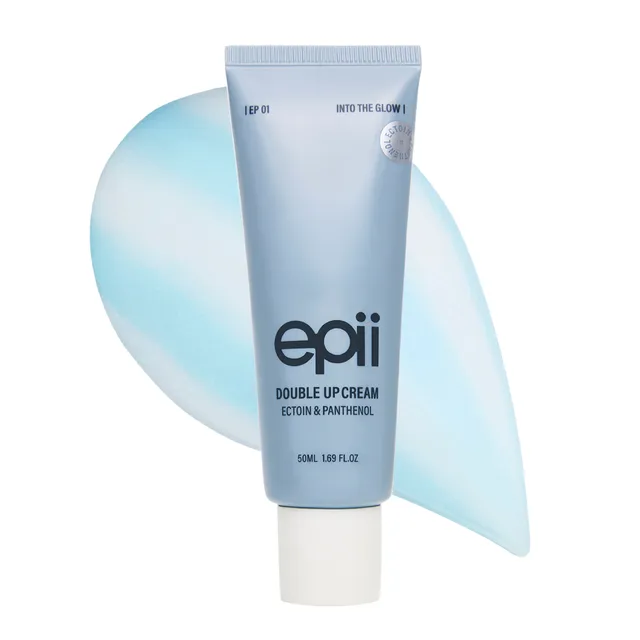
epii Double Up Cream Ectoin & Panthenol
General Moisturizersmoisturisers
Safety score
Pregnancy-focused assessment
No Known Risks99/100
Higher concernLower concern
No higher-risk ingredients were identified in MamaSkin's current assessment. Check the latest package before deciding.
Formula and assessment check
Ingredient safety review updated 19 March 2026. Product formulas can change, so compare the ingredients shown here with the packaging you have.
Report a formula mismatchIngredient breakdown
See how the listed formula falls across MamaSkin's pregnancy-focused risk bands.
33
No known risks
0
Low risk
0
Medium risk
0
High risk
Ingredients
Ingredients with a higher risk flag appear first, followed by the rest of the formula.
Squalane
No Known RisksLightweight emollient used to support the skin barrier. Not associated with pregnancy-specific concerns at cosmetic exposure levels.
Sources: Cosmetic Ingredient Review (US); Scientific Committee on Consumer Safety (EU)
Butylene Glycol
No Known RisksSolvent and humectant commonly used in leave-on products. Not associated with pregnancy-specific concerns at cosmetic exposure levels.
Sources: Cosmetic Ingredient Review (US); Scientific Committee on Consumer Safety (EU)
Show all (33)
Glycerin
No Known RisksGlycerin is a widely used humectant that supports hydration and the skin barrier, with a long safety record and no known pregnancy or breastfeeding concerns in topical cosmetic use.
Sources: CIR; EU/UK Cosmetics Regulation
Vinyl Dimethicone
No Known Risks1,2-Hexanediol
No Known Risks1,2-Hexanediol is commonly used as a solvent and preservative booster; topical exposure is low and it has no known pregnancy or breastfeeding concerns at cosmetic concentrations, though very sensitive skin may occasionally react.
Sources: CIR; EU/UK Cosmetics Regulation
Dipropylene Glycol
No Known RisksDipropylene glycol is used as a solvent and carrier in cosmetics; topical exposure is low and it has no known pregnancy or breastfeeding concerns at cosmetic concentrations.
Sources: CIR; EU/UK Cosmetics Regulation
Methylpropanediol
No Known RisksSolvent and humectant used to improve texture and ingredient delivery in topical cosmetic formulas. Reviewed cosmetic ingredient references do not identify a pregnancy- or breastfeeding-specific concern for normal topical use.
Sources: CIR cosmetic ingredient safety references for alkane diols; EU CosIng / cosmetics regulatory inventory
Niacinamide
No Known RisksNiacinamide (vitamin B3) is widely used for barrier support and tone/texture benefits, and is generally considered safe in pregnancy and breastfeeding when used topically at cosmetic concentrations.
Sources: CIR; EU/UK Cosmetics Regulation
Propanediol
No Known RisksSolvent and humectant used to improve texture and ingredient solubility. Low systemic exposure expected from topical cosmetic use.
Sources: Cosmetic Ingredient Review (US); Scientific Committee on Consumer Safety (EU)
Betaine
No Known RisksBetaine is a humectant/osmolyte used to support hydration and reduce irritation potential in formulas; it is considered low concern with no known pregnancy or breastfeeding risks in topical cosmetic use.
Sources: CIR; EU/UK Cosmetics Regulation
Ectoin
No Known RisksA small natural osmolyte used to support hydration and the skin barrier. A systematic review of topical ectoin formulations in adults and children reported very good tolerability. Pregnancy-specific topical studies were not identified, but no reproductive or pregnancy-specific signal was found for normal cosmetic exposure.
Sources: PubMed: Topical Ectoine Application in Children and Adults, systematic review https://pubmed.ncbi.nlm.nih.gov/35038127/
Panthenol
No Known RisksPanthenol (pro-vitamin B5) is used for soothing and barrier support and is generally well tolerated, with no known pregnancy or breastfeeding concerns in topical cosmetic use.
Sources: CIR; EU/UK Cosmetics Regulation
Sodium Hyaluronate
No Known RisksSodium hyaluronate (hyaluronic acid salt) is used for hydration and cushioning, with very low systemic absorption from topical use and no known pregnancy or breastfeeding concerns at cosmetic concentrations.
Sources: CIR; EU/UK Cosmetics Regulation
Cetearyl Olivate
No Known RisksEmollient ester/emulsifier used to improve skin feel and stabilise emulsions. Reviewed cosmetic safety sources support topical cosmetic use; the relevant practical caveat is formulation irritation potential rather than a pregnancy-specific concern.
Sources: CIR: Amended Safety Assessment of Alkyl Esters as Used in Cosmetics; CIR Quick Reference Table (Cetearyl Olivate); EU CosIng / cosmetics regulatory inventory
Sorbitan Olivate
No Known RisksOlive-derived sorbitan ester used as an emulsifier and skin-conditioning ingredient. Reviewed cosmetic safety references do not identify a pregnancy- or breastfeeding-specific concern for normal topical use.
Sources: CIR: Safety Assessment of Sorbitan Esters as Used in Cosmetics; EU CosIng / cosmetics regulatory inventory
Melia Azadirachta Flower Extract
No Known RisksNeem flower extract is used as a botanical skin-conditioning ingredient. A high-dose oral rat study altered the oestrous cycle and ovulation but did not show anti-implantation, abortifacient, or teratogenic effects. That oral dose does not establish a hazard from normal topical cosmetic exposure.
Sources: PubMed: high-dose oral neem flower extract reproductive study in rats https://pubmed.ncbi.nlm.nih.gov/19357745/; European Commission CosIng ingredient inventory. No human pregnancy study of normal topical cosmetic use was identified.
Melia Azadirachta Leaf Extract
No Known RisksNeem leaf extract is used topically for skin conditioning and antimicrobial support. Reproductive concerns reported for concentrated neem seed preparations, intrauterine exposure, or high oral doses do not establish a hazard from normal topical cosmetic exposure to a leaf extract.
Sources: PubMed: oral purified neem seed extracts in primates https://pubmed.ncbi.nlm.nih.gov/8773426/; PubMed: intrauterine neem oil in primates https://pubmed.ncbi.nlm.nih.gov/8143455/; European Commission CosIng ingredient inventory. No human pregnancy study of normal topical cosmetic leaf-extract use was identified.
Coccinia Indica Fruit Extract
No Known RisksAn ivy-gourd fruit extract used for skin conditioning and antioxidant support. No pregnancy- or breastfeeding-specific hazard was identified for normal topical cosmetic exposure. Direct ingredient-specific pregnancy studies were not identified, so this assessment does not extend to oral supplements or medicinal use.
Sources: European Commission CosIng ingredient inventory; Cosmetic Ingredient Review botanical safety-assessment framework and relevant ingredient-family assessments. No ingredient-specific human pregnancy study of normal topical cosmetic use was identified.
Adenosine
No Known RisksSkin-conditioning ingredient commonly used in leave-on skincare. Reviewed cosmetic safety sources support normal topical use, with no pregnancy- or breastfeeding-specific topical signal identified in the material reviewed.
Sources: CIR: Safety Assessment of Adenosine Ingredients as Used in Cosmetics; EU CosIng / cosmetics regulatory inventory
Ammonium Acryloyldimethyltaurate/VP Copolymer
No Known RisksPolymer thickener used to stabilise emulsions. Large-molecule ingredient with low systemic absorption.
Sources: Cosmetic Ingredient Review (US); Scientific Committee on Consumer Safety (EU)
Acrylates/C10-30 Alkyl Acrylate Crosspolymer
No Known RisksPolymer thickener and stabiliser used in creams and sunscreens. Low systemic exposure expected.
Sources: Cosmetic Ingredient Review (US); Scientific Committee on Consumer Safety (EU)
Disodium EDTA
No Known RisksDisodium EDTA is a chelating agent used to improve formula stability and performance; it is considered low concern in topical cosmetic use, with no known pregnancy or breastfeeding risks at typical concentrations.
Sources: CIR; EU/UK Cosmetics Regulation
Solanum Melongena (Eggplant) Fruit Extract
No Known RisksSolanum Melongena (eggplant) Fruit Extract is a botanical-derived cosmetic conditioning ingredient. The reviewed identity is not a concentrated essential oil or an oral herbal preparation. Available cosmetic evidence and expected topical exposure did not identify a pregnancy-specific contraindication, although botanical irritation or allergy remains possible.
Sources: CIR ingredient-specific and botanical-family safety assessments; CIR Quick Reference Table https://www.cir-safety.org/supplementaldoc/quick-reference-table-december-2025; European Commission CosIng
Ocimum Sanctum Leaf Extract
No Known RisksHoly basil leaf extract is used for antioxidant and skin-conditioning purposes. Available warnings and pharmacology largely concern oral herbal use. No pregnancy-specific systemic hazard was identified for normal topical exposure to a compliant cosmetic, although botanical sensitivity remains possible.
Sources: PubMed: oral toxicological evaluation of Ocimum sanctum leaf extract https://pubmed.ncbi.nlm.nih.gov/24616736/; European Commission CosIng ingredient inventory. No human pregnancy study of topical cosmetic use was identified.
Corallina Officinalis Extract
No Known RisksA red-algae-derived extract used for skin conditioning, hydration or formula texture. Cosmetic safety reviewers concluded that the assessed red algae ingredients, including this extract, are safe in current practices of use and concentration. Cosmetic manufacturers should control naturally occurring contaminants such as heavy metals and arsenic.
Sources: CIR: Safety Assessment of Red Algae-Derived Ingredients as Used in Cosmetics https://cir-reports.cir-safety.org/view-attachment/?id=cef5b6e9-8c74-ec11-8943-0022482f06a6
Curcuma Longa (Turmeric) Root Extract
No Known RisksA botanical extract or plant water used for conditioning, soothing or antioxidant support. Direct pregnancy studies of this exact cosmetic material were not identified, but no reproductive or developmental hazard was identified for normal topical exposure. Oral herbal or medicinal use is outside this classification.
Sources: European Commission CosIng; CIR botanical safety framework and relevant plant-family assessments; no ingredient-specific human pregnancy study of normal topical cosmetic use was identified.
Ethylhexylglycerin
No Known RisksPreservative booster and skin-conditioning agent. Considered safe for cosmetic use with low systemic exposure when used as intended.
Sources: Scientific Committee on Consumer Safety (EU); Cosmetic Ingredient Review (US)
Polyquaternium-51
No Known RisksA large phosphorylcholine-containing conditioning polymer. Cosmetic safety reviewers concluded that acryloyloxyethyl phosphorylcholine polymers, including polyquaternium-51, are safe in current practices. Available testing did not indicate sensitisation, and dermal absorption of the finished polymer is expected to be limited.
Sources: CIR: Safety Assessment of Acryloyloxyethyl Phosphorylcholine Polymers as Used in Cosmetics https://www.cir-safety.org/sites/default/files/FR_AcryloyloxyethylPhosphorylcholinePolymers_062022.pdf
Sodium Stearoyl Glutamate
No Known RisksAmino-acid-derived emulsifier and skin-conditioning support ingredient. Reviewed cosmetic ingredient references do not identify a pregnancy- or breastfeeding-specific concern for normal topical use.
Sources: CIR cosmetic ingredient safety references for amino acid alkyl amides/salts; EU CosIng / cosmetics regulatory inventory
Tromethamine
No Known RiskspH adjuster and buffer used to stabilise formulations. Reviewed cosmetic safety sources support normal topical use, with no pregnancy- or breastfeeding-specific topical signal identified in the material reviewed.
Sources: CIR: Safety Assessment of Tromethamine as Used in Cosmetics; EU CosIng / cosmetics regulatory inventory
Aniba Rosodora (Rosewood) Wood Oil
No Known RisksAllantoin
No Known RisksAllantoin is a soothing skin protectant commonly used to help reduce irritation and support comfort, with no known pregnancy or breastfeeding concerns in topical cosmetic use.
Sources: CIR; EU/UK Cosmetics Regulation
Formulations can change without notice. For the most accurate result, compare this list with your packaging and scan the exact ingredient label in MamaSkin when you repurchase.
How to use this assessment
The risk band is the primary conclusion. The score adds detail within that band and should not be used to compare products as if a one-point difference were clinically meaningful.
MamaSkin provides pregnancy-focused information, not medical advice. Your midwife, GP, pharmacist or dermatologist should take priority when your circumstances differ from typical cosmetic use.