innisfree
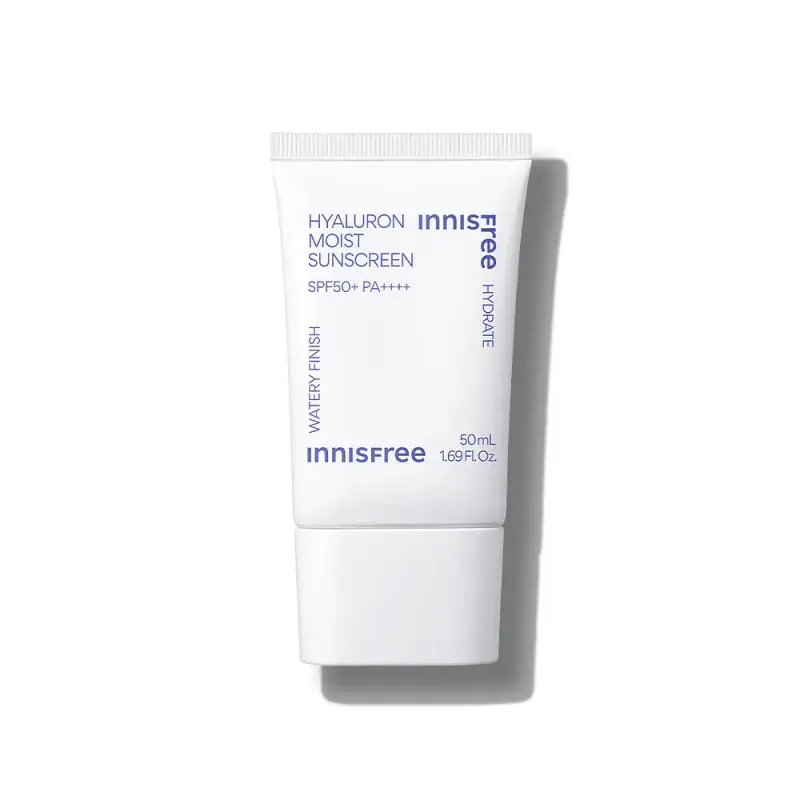
innisfree Hyaluron Moist Sunscreen SPF50+ PA++++
Sunscreens
Safety score
Pregnancy-focused assessment
No Known Risks99/100
Higher concernLower concern
No higher-risk ingredients were identified in MamaSkin's current assessment. Check the latest package before deciding.
Formula and assessment check
Ingredient safety review updated 23 November 2025. Product formulas can change, so compare the ingredients shown here with the packaging you have.
Report a formula mismatchIngredient breakdown
See how the listed formula falls across MamaSkin's pregnancy-focused risk bands.
48
No known risks
0
Low risk
0
Medium risk
0
High risk
Ingredients
Ingredients with a higher risk flag appear first, followed by the rest of the formula.
Propanediol
No Known RisksSolvent and humectant used to improve texture and ingredient solubility. Low systemic exposure expected from topical cosmetic use.
Sources: Cosmetic Ingredient Review (US); Scientific Committee on Consumer Safety (EU)
Dibutyl Adipate
No Known RisksA diester used as an emollient, solvent and plasticizer. After reviewing additional dermal, reproductive, developmental and genotoxicity data, cosmetic safety reviewers concluded that dibutyl adipate is safe in current cosmetic use and concentration. No pregnancy-specific concern is identified for normal topical cosmetic exposure.
Sources: CIR: Amended Final Report of the Safety Assessment of Dibutyl Adipate https://cir-reports.cir-safety.org/view-attachment?id=f1624b41-8e74-ec11-8943-0022482f06a6
Show all (48)
Polymethylsilsesquioxane
No Known RisksA silicone resin used as a film former, texture enhancer and opacifying ingredient in makeup, sunscreen and skin care. The Cosmetic Ingredient Review concluded that polysilsesquioxanes including Polymethylsilsesquioxane are safe in current cosmetic use. Available evidence does not identify a pregnancy- or breastfeeding-specific concern for normal topical cosmetic exposure.
Sources: CIR: Safety Assessment of Polysilsesquioxanes as Used in Cosmetics (Final Report) https://cir-safety.org/sites/default/files/PLYSIL122017FR.pdf
Diethylamino Hydroxybenzoyl Hexyl Benzoate
No Known RisksModern UVA filter (often called Uvinul A+ or DHHB). Regulatory assessments have repeatedly evaluated this filter as safe in cosmetic products at concentrations up to 10%. The most recent SCCS advice focuses on controlling a manufacturing impurity (DnHexP) rather than on new toxicity of DHHB itself. Human biomonitoring data indicate low systemic exposure from normal sunscreen use, and current reviews do not identify specific reproductive or developmental toxicity signals at approved concentrations.
Sources: SCCP opinion referenced in Directive 2008/123/EC: concludes that Diethylamino Hydroxybenzoyl Hexyl Benzoate used at a maximum of 10% in cosmetic (including sunscreen) products does not pose a risk to the consumer. Regulatory summaries (e.g. CosLaw and CIRS Group updates, 2025) reviewing the SCCS DHHB opinion and reiterating that DHHB remains permitted up to 10% in EU cosmetics when impurity limits are respected.
Diisopropyl Sebacate
No Known RisksAn ester of a dicarboxylic acid used as an emollient, solvent or texture agent. Cosmetic safety reviewers concluded that the assessed alkyl dicarboxylic acid esters are safe in current practices of use and concentration. No pregnancy-specific concern was identified for normal topical exposure.
Sources: CIR: Safety Assessment of Alkyl Dicarboxylic Acid Esters as Used in Cosmetics https://cir-reports.cir-safety.org/view-attachment/?id=d8d3785f-8e74-ec11-8943-0022482f06a6
Ethylhexyl Triazone
No Known RisksUV filter used in sunscreens and day products to help absorb UVB radiation. Reviewed cosmetic safety and regulatory sources support current cosmetic use within applicable concentration limits, with no pregnancy- or breastfeeding-specific topical concern identified in the material reviewed.
Sources: EU CosIng Annex VI / UV filters; EU scientific opinion on Ethylhexyl Triazone (Uvinul T 150)
Methylene Bis-Benzotriazolyl Tetramethylbutylphenol
No Known RisksHybrid particulate UV filter (often referred to as Tinosorb M or Bisoctrizole). It behaves more like an inorganic, microfine filter, forming a film on the skin surface with minimal percutaneous absorption. EU Scientific Committee on Consumer Safety (SCCS) opinions on both conventional and nano forms support its safe use in dermally applied cosmetic products up to 10% under current conditions of use, with main caution relating to inhalation of spray products rather than systemic toxicity from normal topical application.
Sources: SCCS opinions on Methylene Bis-Benzotriazolyl Tetramethylbutylphenol (MBBT), including SCCS/1460/11 and SCCS/1546/15: conclude that MBBT used as a UV filter up to 10% in dermal cosmetic products is safe under the evaluated conditions of use. European Commission, revision opinion on Methylene Bis-Benzotriazolyl Tetramethylbutylphenol (nano form), 2015: confirms safety of nano MBBT up to 10% in dermally applied cosmetics when used according to specified conditions
Niacinamide
No Known RisksNiacinamide (vitamin B3) is widely used for barrier support and tone/texture benefits, and is generally considered safe in pregnancy and breastfeeding when used topically at cosmetic concentrations.
Sources: CIR; EU/UK Cosmetics Regulation
Coco-Caprylate/Caprate
No Known RisksCoconut-derived emollient ester used as a lightweight skin-conditioning ingredient. Reviewed cosmetic ingredient references do not identify a pregnancy- or breastfeeding-specific concern for normal topical use.
Sources: CIR cosmetic ingredient safety references for alkyl esters/emollient esters; EU CosIng / cosmetics regulatory inventory
Diethylhexyl Butamido Triazone
No Known RisksOrganic UV filter used in sunscreens, also known as Iscotrizinol or Uvasorb HEB. Available cosmetic safety and regulatory sources support use within applicable concentration limits. No pregnancy- or breastfeeding-specific topical concern was identified in the sources reviewed.
Sources: EU CosIng Annex VI / UV filters; SCCS / European Commission cosmetic UV filter safety assessments; PubMed
Glycerin
No Known RisksGlycerin is a widely used humectant that supports hydration and the skin barrier, with a long safety record and no known pregnancy or breastfeeding concerns in topical cosmetic use.
Sources: CIR; EU/UK Cosmetics Regulation
Butylene Glycol
No Known RisksSolvent and humectant commonly used in leave-on products. Not associated with pregnancy-specific concerns at cosmetic exposure levels.
Sources: Cosmetic Ingredient Review (US); Scientific Committee on Consumer Safety (EU)
1,2-Hexanediol
No Known Risks1,2-Hexanediol is commonly used as a solvent and preservative booster; topical exposure is low and it has no known pregnancy or breastfeeding concerns at cosmetic concentrations, though very sensitive skin may occasionally react.
Sources: CIR; EU/UK Cosmetics Regulation
Caprylyl Methicone
No Known RisksVolatile/low-residue silicone emollient used to improve spreadability and sensory feel. Reviewed cosmetic safety sources support normal topical use, with no pregnancy- or breastfeeding-specific topical signal identified in the material reviewed.
Sources: CIR: Amended Safety Assessment of Dimethicone, Methicone, and Substituted-Methicone Polymers as Used in Cosmetics; EU CosIng / cosmetics regulatory inventory
Pentylene Glycol
No Known RisksHumectant and preservative booster. Considered safe for cosmetic use with low systemic exposure.
Sources: Cosmetic Ingredient Review (US); Scientific Committee on Consumer Safety (EU)
Behenyl Alcohol
No Known RisksLong-chain fatty alcohol used as an emollient and thickener. This is not the same concern profile as simple drying alcohols; reviewed cosmetic safety sources support normal topical use.
Sources: CIR: Final Report on the Safety Assessment of Cetearyl Alcohol, Cetyl Alcohol, Isostearyl Alcohol, Myristyl Alcohol, and Behenyl Alcohol; EU CosIng / cosmetics regulatory inventory
Polyglyceryl-3 Methylglucose Distearate
No Known RisksAn emulsifier built from polyglycerin, methyl glucose and stearic-acid components, used to stabilise creams and improve texture. Exact pregnancy-specific data are limited. Cosmetic safety reviewers concluded that related methyl glucose esters and polyglyceryl fatty-acid esters are safe in current cosmetic use when formulated to be non-irritating. No pregnancy-specific topical concern was identified by applying those related-group assessments to ordinary cosmetic exposure.
Sources: CIR: Safety Assessment of Methyl Glucose Polyethers and Esters https://www.cir-safety.org/supplementaldoc/safety-assessment-methyl-glucose-polyethers-and-esters-used-cosmetics; CIR: Safety Assessment of Polyglyceryl Fatty Acid Esters https://cir-safety.org/sites/default/files/PGlyFE092016FR.pdf
Poly C10-30 Alkyl Acrylate
No Known RisksA high-molecular-weight acrylate polymer used as a film former and texture modifier. Its high molecular weight limits meaningful skin penetration. No reproductive or developmental hazard was identified for normal topical cosmetic exposure.
Sources: European Commission CosIng ingredient inventory; Cosmetic Ingredient Review botanical safety-assessment framework and relevant ingredient-family assessments. No ingredient-specific human pregnancy study of normal topical cosmetic use was identified.
Decyl Glucoside
No Known RisksMild nonionic surfactant used in cleansers and emulsions. Reviewed cosmetic ingredient references support normal topical rinse-off and leave-on use, with no pregnancy- or breastfeeding-specific concern identified; sensitive skin may still react to surfactants.
Sources: CIR: Safety Assessment of Alkyl Glucosides as Used in Cosmetics; EU CosIng / cosmetics regulatory inventory
Tromethamine
No Known RiskspH adjuster and buffer used to stabilise formulations. Reviewed cosmetic safety sources support normal topical use, with no pregnancy- or breastfeeding-specific topical signal identified in the material reviewed.
Sources: CIR: Safety Assessment of Tromethamine as Used in Cosmetics; EU CosIng / cosmetics regulatory inventory
Carbomer
No Known RisksPolymer thickener used to create gel textures. Large-molecule ingredient with negligible systemic absorption.
Sources: Cosmetic Ingredient Review (US); Scientific Committee on Consumer Safety (EU)
Acrylates/C10-30 Alkyl Acrylate Crosspolymer
No Known RisksPolymer thickener and stabiliser used in creams and sunscreens. Low systemic exposure expected.
Sources: Cosmetic Ingredient Review (US); Scientific Committee on Consumer Safety (EU)
Panthenol
No Known RisksPanthenol (pro-vitamin B5) is used for soothing and barrier support and is generally well tolerated, with no known pregnancy or breastfeeding concerns in topical cosmetic use.
Sources: CIR; EU/UK Cosmetics Regulation
Sodium Stearoyl Glutamate
No Known RisksAmino-acid-derived emulsifier and skin-conditioning support ingredient. Reviewed cosmetic ingredient references do not identify a pregnancy- or breastfeeding-specific concern for normal topical use.
Sources: CIR cosmetic ingredient safety references for amino acid alkyl amides/salts; EU CosIng / cosmetics regulatory inventory
Polyacrylate Crosspolymer-6
No Known RisksLarge polymer thickener and stabilizer used in gels, serums and creams. Systemic exposure from topical cosmetic use is expected to be low, with no pregnancy- or breastfeeding-specific concern identified in reviewed cosmetic references.
Sources: CIR cosmetic ingredient safety references for acrylates/polyacrylate crosspolymers; EU CosIng / cosmetics regulatory inventory
Ethylhexylglycerin
No Known RisksPreservative booster and skin-conditioning agent. Considered safe for cosmetic use with low systemic exposure when used as intended.
Sources: Scientific Committee on Consumer Safety (EU); Cosmetic Ingredient Review (US)
Adenosine
No Known RisksSkin-conditioning ingredient commonly used in leave-on skincare. Reviewed cosmetic safety sources support normal topical use, with no pregnancy- or breastfeeding-specific topical signal identified in the material reviewed.
Sources: CIR: Safety Assessment of Adenosine Ingredients as Used in Cosmetics; EU CosIng / cosmetics regulatory inventory
Lavandula Angustifolia Oil
No Known RisksLavender oil is used in cosmetics mainly as a fragrance ingredient. For normal diluted topical cosmetic use, current evidence does not establish a pregnancy-specific concern. This assessment does not cover ingestion, concentrated essential-oil use, or aromatherapy-style exposure. The more relevant practical issues in skincare are irritation or sensitisation in some users, so within this methodology it remains in no known risks.
Sources: NCCIH: Lavender: Usefulness and Safety (2025); EMA HMPC: Lavandulae aetheroleum - herbal medicinal product; Bingham et al., Contact allergy and allergic contact dermatitis caused by lavender: A retrospective study from an Australian clinic (Contact Dermatitis, 2019).
Linalool
No Known RisksLinalool is a common fragrance component used at low levels in cosmetics; it is not a pregnancy-specific concern in topical use, but it is a recognised fragrance allergen and may trigger irritation or sensitisation in some people, especially if the product oxidises over time.
Sources: EU/UK cosmetics (fragrance allergen labelling); IFRA; toxicology reviews
Xanthan Gum
No Known RisksNatural polysaccharide thickener used for stability and texture. Not associated with pregnancy-specific concerns.
Sources: European cosmetics regulatory framework
T-Butyl Alcohol
No Known RisksA volatile solvent and denaturant used in small amounts in cosmetics. Cosmetic safety reviewers concluded that t-butyl alcohol is safe in current practices of use and concentration; their assessment included reproductive and developmental data and found a large exposure margin at cosmetic use levels. It may irritate eyes or skin in concentrated form.
Sources: CIR: Amended Safety Assessment of t-Butyl Alcohol as Used in Cosmetics https://cir-safety.org/sites/default/files/FAR_t-ButylAlcohol_092024.pdf
Madecassoside
No Known RisksA triterpene glycoside associated with Centella asiatica and used in soothing and skin-conditioning formulas. Pregnancy-specific evidence for isolated topical madecassoside is limited. Cosmetic safety reviewers considered Centella-derived ingredients acceptable at current cosmetic exposure but noted that madecassoside and related triterpenes may contribute to sensitisation, so products should be formulated to avoid sensitising concentrations. No pregnancy-specific topical contraindication was identified in the reviewed material.
Sources: CIR: Safety Assessment of Centella asiatica-Derived Ingredients as Used in Cosmetics https://cir-safety.org/supplementaldoc/safety-assessment-centella-asiatica-derived-ingredients-used-cosmetics-1
Allantoin
No Known RisksAllantoin is a soothing skin protectant commonly used to help reduce irritation and support comfort, with no known pregnancy or breastfeeding concerns in topical cosmetic use.
Sources: CIR; EU/UK Cosmetics Regulation
Anthemis Nobilis Flower Oil
No Known RisksA Roman chamomile flower extract or oil used for skin conditioning and fragrance. Cosmetic safety reviewers concluded that Anthemis nobilis-derived ingredients are safe in current practices when formulated to be non-sensitising. People allergic to plants in the daisy family may be more likely to react.
Sources: CIR: Safety Assessment of Anthemis nobilis-Derived Ingredients as Used in Cosmetics https://cir-safety.org/sites/default/files/anthem122013final.pdf
Hydrolyzed Sodium Hyaluronate
No Known RisksHumectant and skin-conditioning ingredient in the hyaluronate family. Reviewed cosmetic safety sources support current cosmetic use, with no pregnancy- or breastfeeding-specific topical concern identified in the material reviewed.
Sources: CIR: Safety Assessment of Hyaluronates as Used in Cosmetics; EU CosIng / cosmetics regulatory inventory
Tocopherol
No Known RisksVitamin E antioxidant used to protect oils and support the skin barrier. Not associated with pregnancy-specific concerns at cosmetic exposure.
Sources: Cosmetic Ingredient Review (US); Scientific Committee on Consumer Safety (EU)
Aloe Barbadensis Leaf Extract
No Known RisksBotanical skin-conditioning ingredient used in soothing and hydrating formulas. Reviewed cosmetic safety sources support current cosmetic use provided anthraquinone levels do not exceed the limits addressed in the safety assessment; no pregnancy- or breastfeeding-specific topical concern was identified in the material reviewed.
Sources: CIR: Safety Assessment of Aloe-derived Ingredients as Used in Cosmetics; EU CosIng / cosmetics regulatory inventory
Propolis Extract
No Known RisksA resinous bee-derived extract used for skin conditioning and antimicrobial support. Normal topical exposure has no identified pregnancy-specific concern. Propolis is a recognised contact allergen and should be avoided by someone who has reacted to propolis or related bee products.
Sources: European Commission CosIng ingredient inventory; PubMed literature on propolis contact allergy and topical use.
3-O-Ethyl Ascorbic Acid
No Known RisksA stable ether derivative of vitamin C used as an antioxidant and brightening ingredient. Pregnancy-specific topical studies are limited, but no pregnancy-specific contraindication was identified in the reviewed literature. Published case reports describe allergic contact dermatitis, so local sensitivity remains possible and this classification should not be read as proof that irritation cannot occur.
Sources: CIR: Safety Assessment of Ethers of Ascorbic Acid https://www.cir-safety.org/sites/default/files/ethers_of_ascorbate.pdf; PubMed: 3-O-ethyl-L-ascorbic acid topical delivery https://pubmed.ncbi.nlm.nih.gov/31517290/; PubMed: allergic contact dermatitis case report https://pubmed.ncbi.nlm.nih.gov/24846587/
Houttuynia Cordata Extract
No Known RisksA heartleaf extract used for skin conditioning and soothing. No pregnancy- or breastfeeding-specific hazard was identified for normal topical cosmetic exposure. Direct ingredient-specific pregnancy studies were not identified, so this assessment does not extend to oral supplements or medicinal use.
Sources: European Commission CosIng ingredient inventory; Cosmetic Ingredient Review botanical safety-assessment framework and relevant ingredient-family assessments. No ingredient-specific human pregnancy study of normal topical cosmetic use was identified.
Sodium Hyaluronate
No Known RisksSodium hyaluronate (hyaluronic acid salt) is used for hydration and cushioning, with very low systemic absorption from topical use and no known pregnancy or breastfeeding concerns at cosmetic concentrations.
Sources: CIR; EU/UK Cosmetics Regulation
Hydroxypropyltrimonium Hyaluronate
No Known RisksCationic hyaluronate derivative used as a humectant and conditioning ingredient. Reviewed topical hyaluronate safety sources support cosmetic use, with no pregnancy- or breastfeeding-specific concern identified.
Sources: CIR: Safety Assessment of Hyaluronates as Used in Cosmetics; EU CosIng / cosmetics regulatory inventory
Hydrolyzed Hyaluronic Acid
No Known RisksHumectant and skin-conditioning ingredient in the hyaluronate family. Reviewed cosmetic safety sources support current cosmetic use, with no pregnancy- or breastfeeding-specific topical concern identified in the material reviewed.
Sources: CIR: Safety Assessment of Hyaluronates as Used in Cosmetics; EU CosIng / cosmetics regulatory inventory
Sodium Acetylated Hyaluronate
No Known RisksModified hyaluronate humectant and skin-conditioning ingredient. Reviewed cosmetic safety sources support topical hyaluronate ingredients, with no pregnancy- or breastfeeding-specific concern identified for normal cosmetic use.
Sources: CIR: Safety Assessment of Hyaluronates as Used in Cosmetics; EU CosIng / cosmetics regulatory inventory
Hyaluronic Acid
No Known RisksHigh-water-binding humectant used to support hydration at the skin surface. Reviewed cosmetic safety sources support normal topical use, with no pregnancy- or breastfeeding-specific topical signal identified in the material reviewed.
Sources: CIR: Safety Assessment of Hyaluronates as Used in Cosmetics; EU CosIng / cosmetics regulatory inventory
Sodium Hyaluronate Crosspolymer
No Known RisksCrosslinked hyaluronate humectant used to support hydration at the skin surface. Reviewed cosmetic safety sources support normal topical use, with no pregnancy- or breastfeeding-specific topical signal identified.
Sources: CIR: Safety Assessment of Hyaluronates as Used in Cosmetics; EU CosIng / cosmetics regulatory inventory
Potassium Hyaluronate
No Known RisksPotassium hyaluronate is a salt of hyaluronic acid used as a surface humectant and skin conditioner. The Cosmetic Ingredient Review concluded that reviewed hyaluronates are safe in current cosmetic use, with no pregnancy- or breastfeeding-specific concern identified for normal topical exposure.
Sources: CIR: Safety Assessment of Hyaluronates as Used in Cosmetics https://www.cir-safety.org/supplementaldoc/safety-assessment-hyaluronates-used-cosmetics
Formulations can change without notice. For the most accurate result, compare this list with your packaging and scan the exact ingredient label in MamaSkin when you repurchase.
How to use this assessment
The risk band is the primary conclusion. The score adds detail within that band and should not be used to compare products as if a one-point difference were clinically meaningful.
MamaSkin provides pregnancy-focused information, not medical advice. Your midwife, GP, pharmacist or dermatologist should take priority when your circumstances differ from typical cosmetic use.