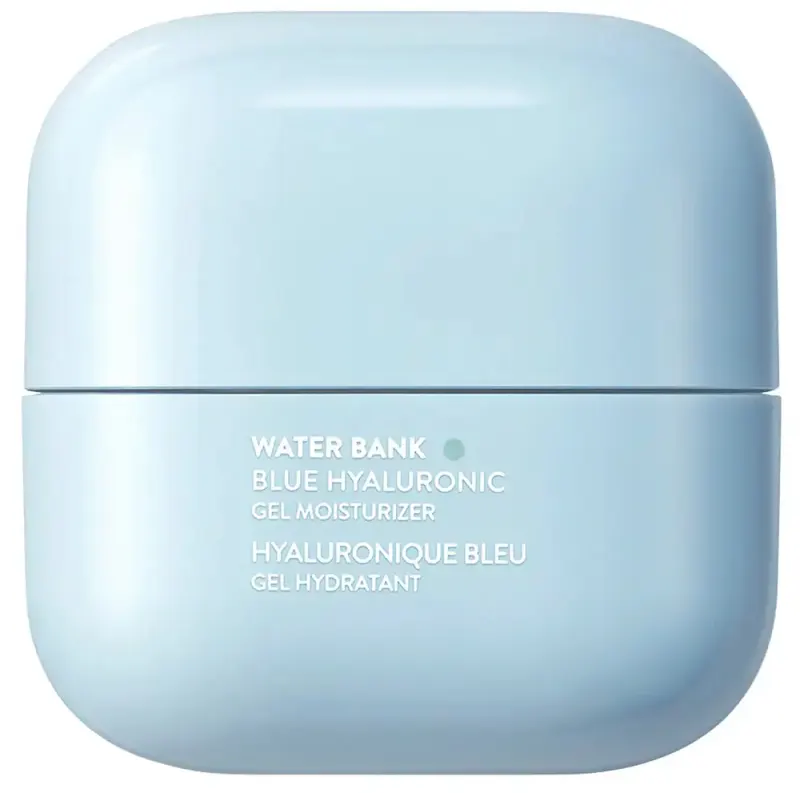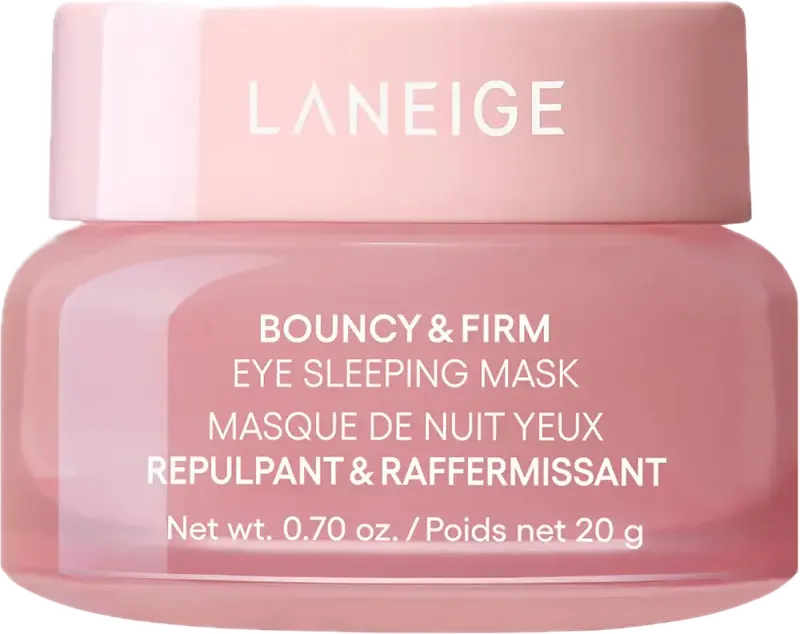
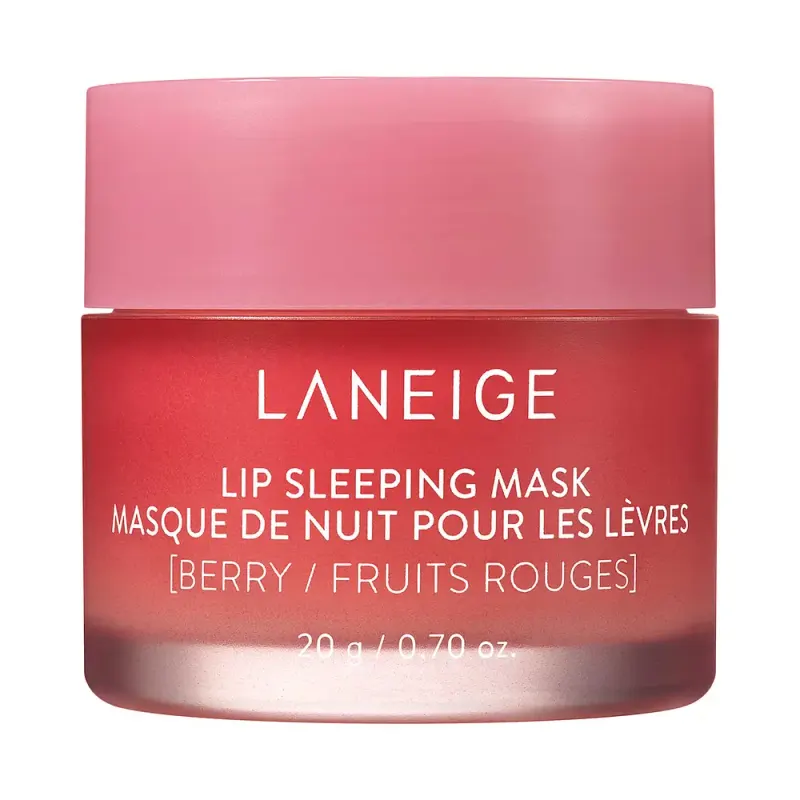
Laneige
Laneige Lip Sleeping Mask
Medium risk58/100
Some ingredients carry a low-risk flag. Read the formulation context before deciding.
37 of 38 ingredients rated1 not assessed
MamaSkin rates the recorded formula for Laneige Water Bank Blue Hyaluronic Cream Moisturizer as Low risk (75/100). Review the ingredient context and any manual-review explanation before deciding.
The recorded formula includes 3 ingredient entries with risk flags: Methyl Trimethicone (Low risk), Stearyl Dimethicone (Low risk), Parfum (Low risk). These are ingredient-level flags; they do not replace the stored product assessment or account for every formulation detail.
37 of 38 ingredient entries on this page have a recorded score, evidence summary and source text. 1 entry does not have all of those fields. Unmatched or unrated entries are marked Not assessed in grey; missing evidence does not establish safety.
How we assess productsThe recorded formula, with evidence behind each rating. Unmatched ingredients are marked Not assessed in grey.
Umbrella term for an undisclosed fragrance blend. It’s not usually a pregnancy-specific concern at normal cosmetic use levels, but the exact components and concentrations aren’t fully disclosed on the label, so we score it more conservatively. If you prefer maximum transparency (or you’re sensitive to fragrance compounds), choose fragrance-free/unscented products.
Sources: SCCS: Fragrance allergens in cosmetic products https://health.ec.europa.eu/latest-updates/sccs-new-opinion-fragrance-allergens-cosmetic-products-2012-07-31_en
A lightweight volatile linear silicone used as a solvent and texture ingredient. Related linear methicone ingredients have reassuring cosmetic safety assessments, but an exact final Cosmetic Ingredient Review finding for Methyl Trimethicone was not located. MamaSkin classifies it as low risk because exact-ingredient pregnancy and inhalation data are limited, while no specific pregnancy contraindication has been identified for normal topical cosmetic use.
Sources: CIR: Safety Assessment of Dimethicone Methicone and Substituted-Methicone Polymers https://cir-safety.org/supplementaldoc/safety-assessment-dimethicone-methicone-and-substituted-methicone-polymers-used-cosm; CIR Quick Reference Table December 2025
This ingredient is a silicone polymer included in CIR's dimethicone, methicone and substituted-methicone family assessment. CIR concluded the reviewed ingredients safe as used when formulated to be non-irritating to skin and eyes. This is family-level cosmetic evidence, not ingredient-specific human pregnancy evidence for every derivative. MamaSkin therefore retains Low Risk without claiming negligible absorption for this individual ingredient.
Sources: CIR: Amended safety assessment of dimethicone and related methicone polymers https://cir-safety.org/supplementaldoc/amended-safety-assessment-dimethicone-methicone-and-substituted-methicone-polymers-2
No matched ingredient rating is available yet. Not assessed does not mean safe or unsafe.
Water (Aqua) is the standard purified water used as a cosmetic solvent. It has no pregnancy-specific risk in normal topical use.
Sources: https://pubchem.ncbi.nlm.nih.gov/compound/Water, https://single-market-economy.ec.europa.eu/sectors/cosmetics/cosmetic-ingredient-database/cosing-glossary-ingredients_en
Glycerin is a widely used humectant that supports hydration and the skin barrier, with a long safety record and no known pregnancy or breastfeeding concerns in topical cosmetic use.
Sources: CIR; EU/UK Cosmetics Regulation
Solvent and humectant commonly used in leave-on products. Not associated with pregnancy-specific concerns at cosmetic exposure levels.
Sources: Cosmetic Ingredient Review (US); Scientific Committee on Consumer Safety (EU)
An emulsifier built from polyglycerin, methyl glucose and stearic-acid components, used to stabilise creams and improve texture. Exact pregnancy-specific data are limited. Cosmetic safety reviewers concluded that related methyl glucose esters and polyglyceryl fatty-acid esters are safe in current cosmetic use when formulated to be non-irritating. No pregnancy-specific topical concern was identified by applying those related-group assessments to ordinary cosmetic exposure.
Sources: CIR: Safety Assessment of Methyl Glucose Polyethers and Esters https://www.cir-safety.org/supplementaldoc/safety-assessment-methyl-glucose-polyethers-and-esters-used-cosmetics; CIR: Safety Assessment of Polyglyceryl Fatty Acid Esters https://cir-safety.org/sites/default/files/PGlyFE092016FR.pdf
Emulsifier and emollient used to stabilise creams and lotions. Not associated with pregnancy-specific concerns at cosmetic exposure.
Sources: Cosmetic Ingredient Review (US); Scientific Committee on Consumer Safety (EU)
A high-molecular-weight tetraester used as an emollient, binder and texture agent. Cosmetic safety reviewers concluded that pentaerythrityl tetraesters, including pentaerythrityl tetraethylhexanoate, are safe in current practices of use and concentration. Dermal penetration is expected to be low.
Sources: CIR: Safety Assessment of Pentaerythrityl Tetraesters as Used in Cosmetics https://cir-reports.cir-safety.org/view-attachment/?id=7a10a771-8e74-ec11-8943-0022482f06a6
Skin-identical barrier lipid used to support barrier function and reduce dryness. Reviewed cosmetic safety sources support normal topical use, with no pregnancy- or breastfeeding-specific topical signal identified in the material reviewed.
Sources: CIR: Safety Assessment of Ceramides as Used in Cosmetics; EU CosIng / cosmetics regulatory inventory
1,2-Hexanediol is commonly used as a solvent and preservative booster; topical exposure is low and it has no known pregnancy or breastfeeding concerns at cosmetic concentrations, though very sensitive skin may occasionally react.
Sources: CIR; EU/UK Cosmetics Regulation
The final CIR assessment includes the exact identity in its safe conclusion.
Sources: https://www.cir-safety.org/sites/default/files/ROPSIL_122014%20_FAR.pdf
Fatty alcohol used to improve texture and skin feel. Considered safe for cosmetic use without pregnancy-specific concerns.
Sources: Cosmetic Ingredient Review (US); Scientific Committee on Consumer Safety (EU)
A lysate produced from Lactobacillus fermentation and used for skin conditioning. Cosmetic safety reviewers concluded that Lactobacillus ferment lysate is safe in current practices of use and concentration.
Sources: CIR: Lactobacillus Ferment Lysate final safety assessment, September 2025; December 2025 Quick Reference Table https://cir-safety.org/sites/default/files/QRT-Update-Dec2025.pdf
A fatty ester, triglyceride or lipid emollient. These materials have low expected systemic exposure and no pregnancy-specific hazard was identified for normal topical use.
Sources: CIR assessments of fatty esters, triglycerides and emollients; European Commission CosIng.
Fatty acid used as an emollient, cleansing-support and texture ingredient. It is not associated with pregnancy- or breastfeeding-specific concerns in normal topical cosmetic use.
Sources: CIR: Safety Assessment of Fatty Acids and Fatty Acid Salts as Used in Cosmetics; EU CosIng / cosmetics regulatory inventory
Stearic acid is a fatty acid used to stabilise emulsions and improve texture; it is considered low concern in topical cosmetics with no known pregnancy or breastfeeding risks at typical concentrations.
Sources: CIR; EU/UK Cosmetics Regulation
Panthenol (pro-vitamin B5) is used for soothing and barrier support and is generally well tolerated, with no known pregnancy or breastfeeding concerns in topical cosmetic use.
Sources: CIR; EU/UK Cosmetics Regulation
Large polymer thickener, stabilizer and texture ingredient used in gels, creams and sunscreens. Systemic exposure from topical cosmetic use is expected to be low, with no pregnancy- or breastfeeding-specific concern identified in reviewed cosmetic references.
Sources: CIR cosmetic ingredient safety references for acrylates copolymers; EU CosIng / cosmetics regulatory inventory
Solvent and humectant used to improve texture and ingredient solubility. Low systemic exposure expected from topical cosmetic use.
Sources: Cosmetic Ingredient Review (US); Scientific Committee on Consumer Safety (EU)
Polymer thickener and stabiliser used in creams and sunscreens. Low systemic exposure expected.
Sources: Cosmetic Ingredient Review (US); Scientific Committee on Consumer Safety (EU)
Natural polysaccharide thickener used for stability and texture. Not associated with pregnancy-specific concerns.
Sources: European cosmetics regulatory framework
Emollient, co-emulsifier and preservative-support ingredient used in topical cosmetics. Reviewed cosmetic ingredient references do not identify a pregnancy- or breastfeeding-specific concern for normal topical use.
Sources: CIR: Safety Assessment of Monoglyceryl Monoesters as Used in Cosmetics; EU CosIng / cosmetics regulatory inventory
Starch-derived polysaccharide used as a binder, film former and texture support ingredient. Reviewed cosmetic ingredient references do not identify a pregnancy- or breastfeeding-specific concern for normal topical use.
Sources: CIR cosmetic ingredient safety references for polysaccharides/starch-derived ingredients; EU CosIng / cosmetics regulatory inventory
pH adjuster and buffer used to stabilise formulations. Reviewed cosmetic safety sources support normal topical use, with no pregnancy- or breastfeeding-specific topical signal identified in the material reviewed.
Sources: CIR: Safety Assessment of Tromethamine as Used in Cosmetics; EU CosIng / cosmetics regulatory inventory
Preservative booster and skin-conditioning agent. Considered safe for cosmetic use with low systemic exposure when used as intended.
Sources: Scientific Committee on Consumer Safety (EU); Cosmetic Ingredient Review (US)
Disodium EDTA is a chelating agent used to improve formula stability and performance; it is considered low concern in topical cosmetic use, with no known pregnancy or breastfeeding risks at typical concentrations.
Sources: CIR; EU/UK Cosmetics Regulation
Emulsifier used to help oil and water phases remain mixed. Reviewed cosmetic safety sources support topical use in cosmetics; the main practical issue is irritation potential in some formulas rather than a pregnancy-specific concern.
Sources: CIR: Safety Assessment of Sorbitan Esters as Used in Cosmetics; EU CosIng / cosmetics regulatory inventory
Allantoin is a soothing skin protectant commonly used to help reduce irritation and support comfort, with no known pregnancy or breastfeeding concerns in topical cosmetic use.
Sources: CIR; EU/UK Cosmetics Regulation
Humectant and skin-conditioning ingredient in the hyaluronate family. Reviewed cosmetic safety sources support current cosmetic use, with no pregnancy- or breastfeeding-specific topical concern identified in the material reviewed.
Sources: CIR: Safety Assessment of Hyaluronates as Used in Cosmetics; EU CosIng / cosmetics regulatory inventory
Skin-identical barrier lipid used to support the stratum corneum and reduce dryness. Reviewed cosmetic safety sources support normal topical use, with no pregnancy- or breastfeeding-specific topical signal identified in the material reviewed.
Sources: CIR: Safety Assessment of Ceramides as Used in Cosmetics; EU CosIng / cosmetics regulatory inventory
Film-forming polysaccharide used for soothing and hydration support. Reviewed cosmetic safety sources support normal topical use, with no pregnancy- or breastfeeding-specific topical signal identified in the material reviewed.
Sources: CIR: Safety Assessment of Microbial Polysaccharide Gums as Used in Cosmetics; EU CosIng / cosmetics regulatory inventory
Skin-conditioning lipid used in barrier-support formulas, often alongside ceramides and fatty acids. Normal topical cosmetic use has no known pregnancy- or breastfeeding-specific concern identified in reviewed cosmetic references.
Sources: CIR cosmetic ingredient safety references for cholesterol and related sterols; EU CosIng / cosmetics regulatory inventory
This sugar or sugar alcohol is used as a humectant and skin-conditioning ingredient. Cosmetic Ingredient Review assessments support these saccharides in current cosmetic use, with no pregnancy- or breastfeeding-specific concern identified for normal topical exposure.
Sources: CIR: Safety Assessment of Monosaccharides Disaccharides and Related Ingredients as Used in Cosmetics https://cir-safety.org/supplementaldoc/safety-assessment-monosaccharides-disaccharides-and-related-ingredients-used-cosmeti
Vitamin E antioxidant used to protect oils and support the skin barrier. Not associated with pregnancy-specific concerns at cosmetic exposure.
Sources: Cosmetic Ingredient Review (US); Scientific Committee on Consumer Safety (EU)
Synthetic acetylated peptide used in topical anti-aging and skin-conditioning formulas. Reviewed topical peptide literature describes cosmetic use of acetyl tetrapeptide-11 and does not identify a pregnancy- or breastfeeding-specific concern for normal topical cosmetic use.
Sources: Schagen SK. Topical Peptide Treatments with Effective Anti-Aging Results. Cosmetics. 2017;4(2):16. doi:10.3390/cosmetics4020016; EU CosIng / INCI cosmetic ingredient references.
A brown-algae-derived extract used for skin conditioning and hydration. Cosmetic safety reviewers specifically included this ingredient in the small subset of brown algae extracts found safe in current practices of use and concentration. Manufacturers should control naturally occurring iodine, arsenic and heavy-metal impurities.
Sources: CIR: Safety Assessment of Brown Algae-Derived Ingredients as Used in Cosmetics https://cir-reports.cir-safety.org/view-attachment/?id=c6b5b3d7-8c74-ec11-8943-0022482f06a6
Water, Glycerin, Butylene Glycol, PPG-5 Caprylyl Ether, Polyglyceryl-3 Methylglucose Distearate, Methyl Trimethicone, Glyceryl Stearate, Pentaerythrityl Tetraethylhexanoate, Ceramide AP, 1,2-Hexanediol, Stearyl Dimethicone, Bis-Hydroxyethoxypropyl Dimethicone, Cetyl Alcohol, Lactobacillus Ferment Lysate, Caprylic/Capric/Myristic/Stearic Triglyceride, Palmitic Acid, Stearic Acid, Panthenol, Hydroxyethyl Acrylate/Sodium Acryloyldimethyl Taurate Copolymer, Propanediol, Acrylates/C10-30 Alkyl Acrylate Crosspolymer, Xanthan Gum, Glyceryl Caprylate, Dextrin, Tromethamine, Ethylhexylglycerin, Disodium EDTA, Sorbitan Isostearate, Allantoin, Hydrolyzed Hyaluronic Acid, Ceramide NP, Parfum, Beta-Glucan, Cholesterol, Mannitol, Tocopherol, Acetyl Tetrapeptide-11, Undaria Pinnatifida Extract
Ingredient ratings refreshed 1 October 2026. Formulas vary by market and can change. Always compare with your packaging.
The recorded formula includes 3 ingredient entries with risk flags: Methyl Trimethicone (Low risk), Stearyl Dimethicone (Low risk), Parfum (Low risk). These are ingredient-level flags; they do not replace the stored product assessment or account for every formulation detail. Incomplete ingredient documentation does not establish safety; see the coverage answer and grey entries below.
No. This recorded formula contains Panthenol or Madecassoside, but a barrier-care claim does not establish the assessment of all its other ingredients. Read the individual ingredient evidence and any manual-review explanation, and compare the recorded list with your packaging.
37 of 38 ingredient entries on this page have a recorded score, evidence summary and source text. 1 entry does not have all of those fields. Unmatched or unrated entries are marked Not assessed in grey; missing evidence does not establish safety.
Only if the ingredient list on your packaging matches the recorded formula shown here. Formulas can differ by market and change over time. Compare the full list, not just the product name; report a mismatch if it differs.
No. This page presents a pregnancy-focused product assessment. Do not infer a breastfeeding conclusion from its score or label; breastfeeding requires a separate assessment of the formula and how it is used.