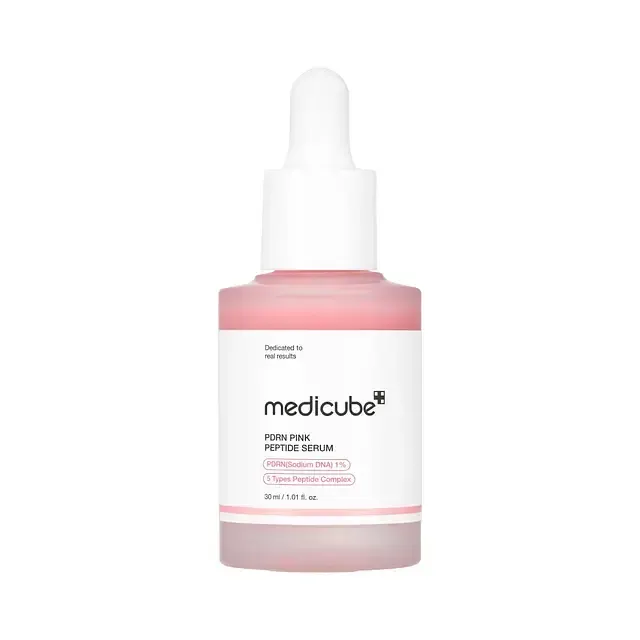
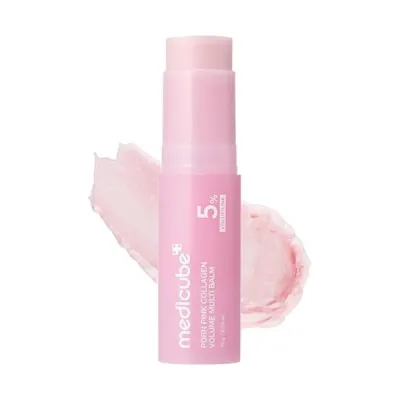
Medicube PDRN Pink Collagen Volume Multi Balm by MediCube
MediCube

Medicube PDRN Pink Collagen Volume Multi Balm

Face Balmbalms

Safety score

Pregnancy-focused assessment

High Risk26/100
Higher concernLower concern

This formula contains a higher-risk ingredient in MamaSkin's current pregnancy-focused assessment.

Formula and assessment check

Ingredient safety review updated 21 June 2026. Product formulas can change, so compare the ingredients shown here with the packaging you have.

Report a formula mismatch

Ingredient breakdown

See how the listed formula falls across MamaSkin's pregnancy-focused risk bands.

47

No known risks

8

Low risk

1

Medium risk

1

High risk

Ingredients

Ingredients with a higher risk flag appear first, followed by the rest of the formula.

Retinol

High Risk

Vitamin A derivative. Systemic retinoids are known teratogens, and topical retinoids are avoided during pregnancy due to class-wide risk and limited safety margins. Avoid use during pregnancy regardless of formulation.

Sources: EMA: Updated measures for pregnancy prevention during retinoid use https://www.ema.europa.eu/en/news/updated-measures-pregnancy-prevention-during-retinoid-use; FDA: Pregnancy and Lactation Labeling Rule https://www.fda.gov/drugs/labeling-information-drug-products/questions-and-answers-pregnancy-and-lactation-labeling-rule
Lithospermum Erythrorhizon Root Extract

Medium Risk

Lithospermum erythrorhizon root can contain shikonin-family naphthoquinones. Animal and cellular studies report adverse ovarian-follicle, germ-cell and trophoblast effects, but they do not establish the absorbed dose from a finished topical cosmetic. MamaSkin applies Medium Risk for a genuine reproductive signal with substantial composition and exposure uncertainty.

Sources: Ovarian-follicle study https://pmc.ncbi.nlm.nih.gov/articles/PMC8327240/; trophoblast study https://pmc.ncbi.nlm.nih.gov/articles/PMC11348813/; European Commission CosIng.

Silica Dimethyl Silylate

Low Risk

A hydrophobic surface-treated silica used for thickening, texture and oil control. Cosmetic safety reviewers concluded that silylates are safe in current use when finished products are not irritating or sensitizing to the respiratory tract. MamaSkin classifies it as low risk because loose powders and sprays can create inhalation exposure, not because of a known pregnancy-specific hazard from ordinary topical use.

Sources: CIR: Safety Assessment of Silylates and Surface-Modified Siloxysilicates https://cir-safety.org/sites/default/files/silyla092011final.pdf

Show all (57)

Sodium DNA

Low Risk

DNA-derived cosmetic ingredient/label term used in topical PDRN or polynucleotide-style skincare. Topical cosmetic use is not currently treated as a known pregnancy-restricted concern, but pregnancy-specific clinical data remain limited. MamaSkin scores this conservatively as low risk to reflect the evidence gap. This assessment applies to topical cosmetic products only and does not apply to injectable or in-clinic PDRN/polynucleotide treatments. Always review co-ingredients such as retinoids, hydroquinone, high-strength acids or other pregnancy-restricted actives separately.

Sources: Shin et al. 2025: Polynucleotide and PDRN dermatology review https://pubmed.ncbi.nlm.nih.gov/40871045/

Sh-Oligopeptide-1

Low Risk

Recombinant human oligopeptide cosmetic ingredient used in topical growth-factor-style formulas, commonly associated with EGF-style skin-conditioning claims. Normal topical cosmetic use is not currently treated as a known pregnancy-restricted concern, and these larger signaling peptides are expected to have limited intact-skin penetration. Pregnancy- and breastfeeding-specific cosmetic data are limited, so MamaSkin scores this conservatively as low risk rather than no known risks. This assessment applies to topical cosmetic products only, not injectable growth-factor treatments, microneedling serums, wound use, or oral supplements.

Sources: Schagen SK. Topical Peptide Treatments with Effective Anti-Aging Results. Cosmetics. 2017;4(2):16. https://doi.org/10.3390/cosmetics4020016; Fitzpatrick RE, Rostan EF. Reversal of photodamage with topical growth factors: a pilot study. J Cosmet Laser Ther. 2003;5(1):25-34; dermatology reviews on topical growth factors and skin rejuvenation; EU CosIng / INCI cosmetic ingredient references.

Sh-Oligopeptide-2

Low Risk

Recombinant human oligopeptide cosmetic ingredient used in topical growth-factor-style skin-conditioning formulas. Normal topical cosmetic use is not currently treated as a known pregnancy-restricted concern, but pregnancy- and breastfeeding-specific cosmetic data are limited. Because this ingredient is biologically framed as a signaling peptide rather than a simple cosmetic conditioning peptide, MamaSkin scores it conservatively as low risk. This assessment applies to topical cosmetic products only, not injectable growth-factor treatments, microneedling serums, wound use, or oral supplements.

Sources: Schagen SK. Topical Peptide Treatments with Effective Anti-Aging Results. Cosmetics. 2017;4(2):16. https://doi.org/10.3390/cosmetics4020016; Fitzpatrick RE, Rostan EF. Reversal of photodamage with topical growth factors: a pilot study. J Cosmet Laser Ther. 2003;5(1):25-34; dermatology reviews on topical growth factors and skin rejuvenation; EU CosIng / INCI cosmetic ingredient references.

Sh-Polypeptide-1

Low Risk

Recombinant human polypeptide cosmetic ingredient used in topical growth-factor-style skin-conditioning formulas. Normal topical cosmetic use is not currently treated as a known pregnancy-restricted concern, and large peptide/protein ingredients are expected to have limited intact-skin penetration. Pregnancy- and breastfeeding-specific cosmetic data are limited, so MamaSkin scores this conservatively as low risk rather than no known risks. This assessment applies to topical cosmetic products only, not injectable growth-factor treatments, microneedling serums, wound use, or oral supplements.

Sources: Schagen SK. Topical Peptide Treatments with Effective Anti-Aging Results. Cosmetics. 2017;4(2):16. https://doi.org/10.3390/cosmetics4020016; Fitzpatrick RE, Rostan EF. Reversal of photodamage with topical growth factors: a pilot study. J Cosmet Laser Ther. 2003;5(1):25-34; dermatology reviews on topical growth factors and skin rejuvenation; EU CosIng / INCI cosmetic ingredient references.

Sh-Polypeptide-11

Low Risk

SH-Polypeptide-11 is a recombinant human polypeptide used in growth-factor-style skin or hair formulas. Pregnancy and breastfeeding studies of topical cosmetic use are lacking, while intact-skin systemic absorption of a protein-sized ingredient is expected to be limited. Low Risk keeps it consistent with MamaSkin's SH-Polypeptide-1 and SH-Polypeptide-9 policy.

Sources: European Commission CosIng: Cosmetic ingredient database https://ec.europa.eu/growth/tools-databases/cosing/

Sh-Polypeptide-3

Low Risk

sh-Polypeptide-3 is a recombinant human keratinocyte-growth-factor-style protein used in topical conditioning formulas. Intact-skin absorption is expected to be limited, but pregnancy and breastfeeding studies are lacking. MamaSkin scores it conservatively as Low Risk, consistent with other recombinant sh-polypeptides.

Sources: KCIA INCI record for the rice-expressed form https://kcia.or.kr/cid/search/ingd_view.php?no=9902; growth-factor delivery review https://pubmed.ncbi.nlm.nih.gov/33354795/

Sh-Polypeptide-9

Low Risk

Recombinant human polypeptide cosmetic ingredient used in topical growth-factor-style skin-conditioning formulas. Normal topical cosmetic use is not currently treated as a known pregnancy-restricted concern, but pregnancy- and breastfeeding-specific cosmetic data are limited. Because this is a biologically framed signaling protein rather than a simple cosmetic conditioning peptide, MamaSkin scores it conservatively as low risk. This assessment applies to topical cosmetic products only, not injectable growth-factor treatments, microneedling serums, wound use, or oral supplements.

Sources: Schagen SK. Topical Peptide Treatments with Effective Anti-Aging Results. Cosmetics. 2017;4(2):16. https://doi.org/10.3390/cosmetics4020016; Fitzpatrick RE, Rostan EF. Reversal of photodamage with topical growth factors: a pilot study. J Cosmet Laser Ther. 2003;5(1):25-34; dermatology reviews on topical growth factors and skin rejuvenation; EU CosIng / INCI cosmetic ingredient references.

Cetyl Ethylhexanoate

No Known Risks

Lightweight emollient ester used to improve slip and skin feel. Reviewed cosmetic ingredient references do not identify a pregnancy- or breastfeeding-specific concern for normal topical cosmetic use.

Sources: CIR cosmetic ingredient safety references for alkyl esters/emollient esters; EU CosIng / cosmetics regulatory inventory

Synthetic Wax

No Known Risks

Inert wax/structuring ingredient used to add body, stability and texture to cosmetics. Normal topical use is expected to have low systemic exposure, with no pregnancy- or breastfeeding-specific concern identified in reviewed cosmetic references.

Sources: CIR cosmetic ingredient safety references for waxes/structuring agents; EU CosIng / cosmetics regulatory inventory

Polyglyceryl-2 Triisostearate

No Known Risks

An ester of diglycerin and isostearic acid used as an emollient and emulsifier. Cosmetic safety reviewers assessed polyglyceryl fatty acid esters, including this ingredient, as safe in current cosmetic use when formulated to be non-irritating. No pregnancy-specific concern is identified for normal topical exposure.

Sources: CIR: Safety Assessment of Polyglyceryl Fatty Acid Esters https://www.cir-safety.org/sites/default/files/PGlyFE092016FR.pdf

Diisostearyl Malate

No Known Risks

Emollient ester commonly used in lip, makeup and skin-care formulas for cushion and gloss. Reviewed cosmetic ingredient references do not identify a pregnancy- or breastfeeding-specific concern for normal topical cosmetic use.

Sources: CIR cosmetic ingredient safety references for alkyl esters/malates; EU CosIng / cosmetics regulatory inventory

Microcrystalline Wax

No Known Risks

Highly refined mineral wax used to thicken and stabilise formulas. Cosmetic-grade microcrystalline wax has minimal skin absorption and no known pregnancy-specific concerns in topical use as intended. Concerns raised online typically relate to unrefined mineral oil impurities or dietary exposure, not cosmetic-grade topical use.

Sources: Cosmetic Ingredient Review (CIR) ingredient dossier for Microcrystalline Wax + CIR wax safety assessment materials. ; Petry et al. (2017) dermal penetration review (includes mineral oils/waxes). ; BfR, Highly refined mineral oils in cosmetics (context on refined mineral oil fractions/waxes in cosmetics) (2018).

Hydrogenated Polyisobutene

No Known Risks

Inert synthetic emollient used as a glossing and occlusive agent. Reviewed cosmetic safety sources support normal topical use, with no pregnancy- or breastfeeding-specific topical signal identified in the material reviewed.

Sources: CIR: Safety Assessment of Polyene Group as Used in Cosmetics; EU CosIng / cosmetics regulatory inventory

Octyldodecanol

No Known Risks

Fatty alcohol emollient used to improve spreadability and reduce drag. Reviewed cosmetic safety sources support normal topical use, with no pregnancy- or breastfeeding-specific topical signal identified in the material reviewed.

Sources: CIR ingredient status / report data sheet for Octyldodecanol; EU CosIng / cosmetics regulatory inventory

Caprylic/Capric Triglyceride

No Known Risks

Common emollient derived from fatty acids and glycerin. Used to soften skin and improve texture without pregnancy-specific concerns.

Sources: Cosmetic Ingredient Review (US); Scientific Committee on Consumer Safety (EU)

Euphorbia Cerifera Wax

No Known Risks

This wax is used as an emollient and structuring ingredient. Cosmetic Ingredient Review assessments support current cosmetic use, with no pregnancy- or breastfeeding-specific concern identified; uncommon contact allergy can occur, particularly with natural wax components.

Sources: CIR: Safety Assessment of Beeswax Carnauba Wax and Candelilla Wax https://www.cir-safety.org/sites/default/files/RR_Waxes.pdf

Bisabolol

No Known Risks

A terpene alcohol used for skin conditioning and soothing. Cosmetic safety reviewers reaffirmed bisabolol as safe at current cosmetic concentrations, and reproductive and developmental testing did not identify adverse effects. Bisabolol can increase skin penetration, so formulators should consider the safety of other ingredients in the same product.

Sources: CIR: Final Report on the Safety Assessment of Bisabolol https://cir-reports.cir-safety.org/view-attachment/?id=6fcf160b-8e74-ec11-8943-0022482f06a6; CIR re-review material https://www.cir-safety.org/sites/default/files/bisabolol.pdf

Butylene Glycol

No Known Risks

Solvent and humectant commonly used in leave-on products. Not associated with pregnancy-specific concerns at cosmetic exposure levels.

Sources: Cosmetic Ingredient Review (US); Scientific Committee on Consumer Safety (EU)

Polyglyceryl-2 Oleate

No Known Risks

polyglyceryl-2 oleate is a cosmetic emollient, ester or lipid-derived formulation aid. Relevant family evidence supports normal cosmetic use with irritation, sensitisation and purity qualifications retained where applicable. No pregnancy-specific concern was identified for ordinary topical exposure.

Sources: CIR assessments of cosmetic esters, fatty acids and fatty acid salts https://www.cir-safety.org/supplementaldoc/safety-assessment-fatty-acids-fatty-acid-salts-used-cosmetics; European Commission CosIng

Oryza Sativa Bran Oil

No Known Risks

This plant-derived fatty oil or butter is used as an emollient and skin-conditioning ingredient. The Cosmetic Ingredient Review concluded that assessed plant-derived fatty acid oils are safe as used in cosmetics; individual plant allergy and ingredient purity remain practical considerations.

Sources: CIR: Safety Assessment of Plant-Derived Fatty Acid Oils https://cir-reports.cir-safety.org/view-attachment/?id=ad62ac6b-8e74-ec11-8943-0022482f06a6

Adenosine

No Known Risks

Skin-conditioning ingredient commonly used in leave-on skincare. Reviewed cosmetic safety sources support normal topical use, with no pregnancy- or breastfeeding-specific topical signal identified in the material reviewed.

Sources: CIR: Safety Assessment of Adenosine Ingredients as Used in Cosmetics; EU CosIng / cosmetics regulatory inventory

Helianthus Annuus Seed Oil

No Known Risks

Helianthus annuus (sunflower) seed oil is a common emollient rich in fatty acids and is generally well tolerated, with no known pregnancy or breastfeeding concerns in topical cosmetic use.

Sources: CIR; EU/UK Cosmetics Regulation

Pelargonium Graveolens Flower Oil

No Known Risks

Geranium oil is used in cosmetics mainly as a fragrance botanical. Direct pregnancy-specific data are sparse, but no clear pregnancy-specific dermal harm signal has been established for routine diluted cosmetic use. This assessment does not cover concentrated essential-oil use, ingestion, or non-cosmetic therapeutic exposure. The more relevant practical issues are fragrance sensitisation and local irritation, so within this methodology it remains in no known risks.

Sources: Abu El Wafa et al., Optimization of oil yield of Pelargonium graveolens L'Hér in relation to its antimicrobial activity (Sci Rep, 2023); Bergman et al., Distinct metabolic pathways drive monoterpenoid biosynthesis in Pelargonium graveolens (Plant J, 2021); Hagvall et al., Cytochrome P450-mediated activation of the fragrance compound geraniol forms potent contact allergens (Toxicol Appl Pharmacol, 2008); Johansen et al., Fragrance contact allergy: a 4-year retrospective study (2010).

Anemarrhena Asphodeloides Root Extract

No Known Risks

A botanical extract or plant water used for conditioning, soothing or antioxidant support. Direct pregnancy studies of this exact cosmetic material were not identified, but no reproductive or developmental hazard was identified for normal topical exposure. Oral herbal or medicinal use is outside this classification.

Sources: European Commission CosIng; CIR botanical safety framework and relevant plant-family assessments; no ingredient-specific human pregnancy study of normal topical cosmetic use was identified.

Cananga Odorata Flower Oil

No Known Risks

Ylang-ylang oil is used in cosmetics mainly as a fragrance ingredient. There is no established pregnancy-specific concern from typical topical cosmetic exposure. The main issue is fragrance sensitisation or allergic contact dermatitis in susceptible users, rather than reproductive toxicity.

Sources: PubMed: fragrance allergy literature including ylang-ylang sensitisation; PubMed: safety assessment of ylang-ylang as a food ingredient

Citrus Aurantium Bergamia Fruit Oil

No Known Risks

Bergamot essential oil used mainly for fragrance. No pregnancy-specific hazard is established for normal topical cosmetic exposure. Expressed bergamot oil can be phototoxic unless furocoumarins are controlled, so sun-exposed use should follow the finished product directions and applicable fragrance standards.

Sources: CIR: Safety Assessment of Citrus-Derived Peel Oils as Used in Cosmetics; IFRA Standard for phototoxicity of bergamot oil

Rosa Damascena Flower Oil

No Known Risks

Rose flower oil is a concentrated fragrance botanical. At normal cosmetic topical use levels, there is no established pregnancy-specific concern. The more relevant issues are irritation and sensitisation from fragrance constituents, which this methodology does not treat as a pregnancy-specific risk.

Sources: General cosmetic fragrance-botanical safety references; exposure-route considerations for topical cosmetic use

Tocopherol

No Known Risks

Vitamin E antioxidant used to protect oils and support the skin barrier. Not associated with pregnancy-specific concerns at cosmetic exposure.

Sources: Cosmetic Ingredient Review (US); Scientific Committee on Consumer Safety (EU)

Water

No Known Risks

Caffeine

No Known Risks

Methylxanthine used in cosmetics (e.g., de-puffing/firming and antioxidant support). No pregnancy-specific contraindications are identified for topical cosmetic use.

Sources: CIR (Methylxanthines); PubMed (NLM)

Collagen

No Known Risks

A structural protein or hydrolysed peptide used for skin or hair conditioning. Cosmetic safety reviewers concluded that the assessed skin and connective-tissue-derived proteins are safe in current practices, subject to appropriate animal-source and impurity controls. Protein sensitivity remains possible.

Sources: CIR: Safety Assessment of Skin and Connective Tissue-Derived Proteins and Peptides as Used in Cosmetics https://www.cir-safety.org/sites/default/files/tsupep092017final.pdf

Hippophae Rhamnoides Oil

No Known Risks

A plant-derived oil or hydrogenated wax used mainly as an emollient and skin-conditioning ingredient. Cosmetic safety reviewers concluded that these named sea buckthorn, tea seed, jojoba and grape seed ingredients are safe in current practices of use and concentration. Plant allergy remains possible.

Sources: CIR: Hippophae Rhamnoides Oil, Camellia Sinensis Seed Oil, Hydrogenated Jojoba Oil and Vitis Vinifera (Grape) Seed Oil conclusions; December 2025 Quick Reference Table https://cir-safety.org/sites/default/files/QRT-Update-Dec2025.pdf

Sodium Hyaluronate

No Known Risks

Sodium hyaluronate (hyaluronic acid salt) is used for hydration and cushioning, with very low systemic absorption from topical use and no known pregnancy or breastfeeding concerns at cosmetic concentrations.

Sources: CIR; EU/UK Cosmetics Regulation

Glycine Soja Oil

No Known Risks

Plant-derived emollient oil used to soften skin and support formula texture. Reviewed cosmetic safety sources support current cosmetic use, with no pregnancy- or breastfeeding-specific topical concern identified in the material reviewed.

Sources: CIR: Safety Assessment of Soy-Derived Ingredients as Used in Cosmetics; EU CosIng / cosmetics regulatory inventory

Propanediol

No Known Risks

Solvent and humectant used to improve texture and ingredient solubility. Low systemic exposure expected from topical cosmetic use.

Sources: Cosmetic Ingredient Review (US); Scientific Committee on Consumer Safety (EU)

Glycerin

No Known Risks

Glycerin is a widely used humectant that supports hydration and the skin barrier, with a long safety record and no known pregnancy or breastfeeding concerns in topical cosmetic use.

Sources: CIR; EU/UK Cosmetics Regulation

Polyglyceryl-10 Oleate

No Known Risks

A polyglycerin fatty-acid ester used as an emulsifier, dispersant or emollient. Cosmetic safety reviewers concluded that the assessed family of 274 polyglyceryl fatty acid esters is safe in current practices when formulated to be non-irritating. No pregnancy-specific concern was identified for normal topical cosmetic exposure.

Sources: CIR: Safety Assessment of Polyglyceryl Fatty Acid Esters as Used in Cosmetics https://www.cir-safety.org/supplementaldoc/safety-assessment-polyglyceryl-fatty-acid-esters-used-cosmetics-1

1,2-Hexanediol

No Known Risks

1,2-Hexanediol is commonly used as a solvent and preservative booster; topical exposure is low and it has no known pregnancy or breastfeeding concerns at cosmetic concentrations, though very sensitive skin may occasionally react.

Sources: CIR; EU/UK Cosmetics Regulation

Nicotinamide Mononucleotide

No Known Risks

Adenosine Triphosphate

No Known Risks

adenosine triphosphate is an amino-acid, peptide, protein or related conditioning ingredient. Relevant cosmetic-family assessments support topical use, and expected systemic exposure is low. No pregnancy-specific concern was identified for normal intact-skin use; residual allergenic proteins and manufacturing quality remain relevant.

Sources: CIR Safety Assessment of Animal- and Plant-Derived Amino Acids and Hydrolyzed Proteins https://cir-safety.org/panelbook/safety-assessment-animal-and-plant-derived-amino-acids-and-hydrolyzed-proteins-used-cosmet; European Commission CosIng ingredient inventory.

Nicotinamide Adenine Dinucleotide

No Known Risks

nicotinamide adenine dinucleotide is a vitamin, vitamin derivative or endogenous cofactor used as a cosmetic conditioning or antioxidant ingredient. No pregnancy-specific concern was identified for normal topical cosmetic exposure. This classification does not extend to medicinal vitamin analogues, high-dose treatment or oral supplementation.

Sources: European Commission CosIng ingredient inventory; NIH Office of Dietary Supplements Vitamin D Fact Sheet https://ods.od.nih.gov/factsheets/VitaminD-HealthProfessional/; CIR vitamin and antioxidant ingredient assessments

Alkanna Tinctoria Root Extract

No Known Risks

Lecithin

No Known Risks

Emulsifier and skin-conditioning ingredient composed of phospholipids. Not associated with pregnancy-specific concerns.

Sources: Cosmetic Ingredient Review (US)

Sodium Phosphate

No Known Risks

An inorganic phosphate salt used mainly to buffer or adjust the pH of a formula. Cosmetic safety reviewers concluded that phosphoric acid and its simple salts, including sodium phosphate, are safe in current cosmetic use when products are formulated to avoid irritation. No pregnancy-specific concern is identified for normal topical exposure.

Sources: CIR: Safety Assessment of Phosphoric Acid and Its Simple Salts https://cir-safety.org/supplementaldoc/safety-assessment-phosphoric-acid-and-simple-salts-used-cosmetics-0

Ethylhexylglycerin

No Known Risks

Preservative booster and skin-conditioning agent. Considered safe for cosmetic use with low systemic exposure when used as intended.

Sources: Scientific Committee on Consumer Safety (EU); Cosmetic Ingredient Review (US)

Hydrolyzed Elastin

No Known Risks

A structural protein or hydrolysed peptide used for skin or hair conditioning. Cosmetic safety reviewers concluded that the assessed skin and connective-tissue-derived proteins are safe in current practices, subject to appropriate animal-source and impurity controls. Protein sensitivity remains possible.

Sources: CIR: Safety Assessment of Skin and Connective Tissue-Derived Proteins and Peptides as Used in Cosmetics https://www.cir-safety.org/sites/default/files/tsupep092017final.pdf

Acetyl Hexapeptide-8

No Known Risks

Synthetic peptide used as a skin-conditioning ingredient. Reviewed cosmetic safety sources do not indicate a known pregnancy- or breastfeeding-specific concern in normal topical cosmetic use. The available cosmetic safety assessment concluded this ingredient is safe in cosmetics at concentrations up to 0.005%; safety above that concentration was not established in the reviewed report.

Sources: CIR Expert Panel, Safety Assessment of Acetyl Hexapeptide-8 Amide as Used in Cosmetics, final report, 2021

Copper Tripeptide-1

No Known Risks

Copper-binding carrier peptide also known as GHK-Cu, used topically in cosmetic skin-renewal, anti-aging, barrier-support and hair/scalp products. Reviewed literature describes topical cosmetic use and does not identify a pregnancy- or breastfeeding-specific risk signal for normal topical use. This assessment does not apply to injectable copper peptides or oral peptide/copper supplementation.

Sources: Schagen SK. Topical Peptide Treatments with Effective Anti-Aging Results. Cosmetics. 2017;4(2):16. doi:10.3390/cosmetics4020016; Pickart L et al. Regenerative and Protective Actions of the GHK-Cu Peptide in the Light of the New Gene Data. Int J Mol Sci. 2018;19(7):1987. doi:10.3390/ijms19071987.

Palmitoyl Pentapeptide-4

No Known Risks

Synthetic palmitoylated signal peptide used in topical anti-aging cosmetics. It is one of the better-studied cosmetic peptides, with reviewed topical literature describing controlled cosmetic studies and no pregnancy- or breastfeeding-specific concern for normal topical cosmetic use.

Sources: Schagen SK. Topical Peptide Treatments with Effective Anti-Aging Results. Cosmetics. 2017;4(2):16. doi:10.3390/cosmetics4020016; Robinson LR et al. Topical palmitoyl pentapeptide provides improvement in photoaged human facial skin. Int J Cosmet Sci. 2005;27(3):155-160.

Acetyl Tetrapeptide-5

No Known Risks

Synthetic acetylated peptide used in topical eye, anti-aging and skin-conditioning formulas. Reviewed topical peptide literature lists acetyl tetrapeptide-5 among cosmetic peptides, with no pregnancy- or breastfeeding-specific concern identified for normal topical cosmetic use.

Sources: Schagen SK. Topical Peptide Treatments with Effective Anti-Aging Results. Cosmetics. 2017;4(2):16. doi:10.3390/cosmetics4020016; EU CosIng / INCI cosmetic ingredient references.

Palmitoyl Tetrapeptide-7

No Known Risks

Synthetic signal peptide used in topical cosmetic anti-aging and skin-conditioning formulas. Reviewed topical peptide literature describes palmitoyl tetrapeptide-7 as a cosmetic peptide with anti-inflammatory and extracellular-matrix support activity in topical formulations. No pregnancy- or breastfeeding-specific risk signal was identified for normal topical cosmetic use.

Sources: Schagen SK. Topical Peptide Treatments with Effective Anti-Aging Results. Cosmetics. 2017;4(2):16. doi:10.3390/cosmetics4020016; CIR Expert Panel safety assessment of palmitoyl oligopeptides as used in cosmetics.

Palmitoyl Tripeptide-1

No Known Risks

Synthetic peptide used as a skin-conditioning ingredient. Reviewed cosmetic safety sources indicate no known pregnancy- or breastfeeding-specific concern in normal topical cosmetic use. Available cosmetic safety assessments conclude this ingredient is safe in the present practices of use and concentration described for cosmetics.

Sources: CIR Expert Panel, Safety Assessment of Tripeptide-1, Hexapeptide-12, their metal salts and fatty acyl derivatives, and Palmitoyl Tetrapeptide-7 as used in cosmetics, final report, 2014

Sh-Polypeptide-10

No Known Risks

Sh-Polypeptide-59

No Known Risks

Formulations can change without notice. For the most accurate result, compare this list with your packaging and scan the exact ingredient label in MamaSkin when you repurchase.

How to use this assessment

The risk band is the primary conclusion. The score adds detail within that band and should not be used to compare products as if a one-point difference were clinically meaningful.

MamaSkin provides pregnancy-focused information, not medical advice. Your midwife, GP, pharmacist or dermatologist should take priority when your circumstances differ from typical cosmetic use.

Read the full methodology