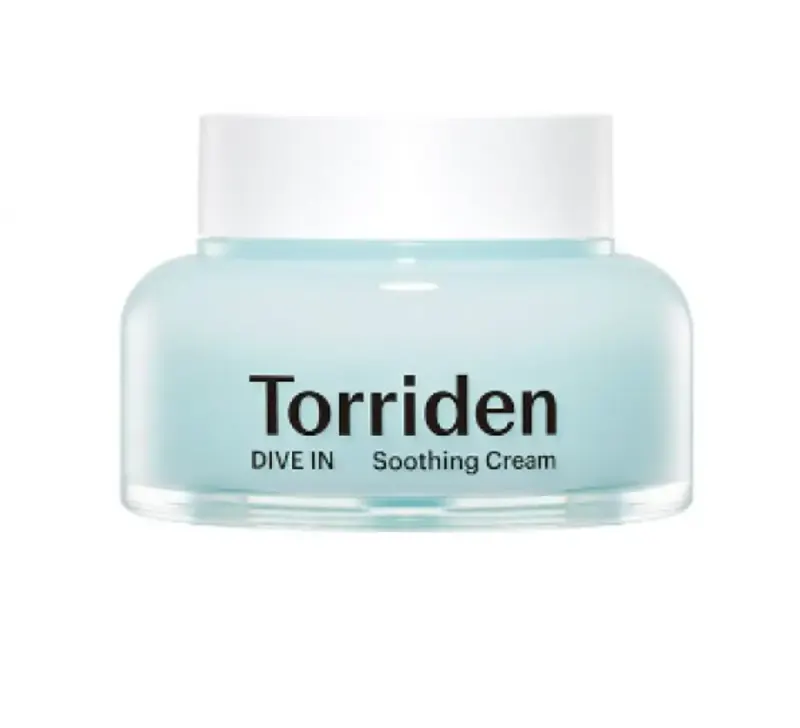
Torriden Dive-In Hyaluronic Acid Soothing Cream by Torriden
Torriden

Torriden Dive-In Hyaluronic Acid Soothing Cream

General Moisturizersmoisturisers

Safety score

Pregnancy-focused assessment

Low Risk76/100
Higher concernLower concern

One or more ingredients have a low-risk flag in MamaSkin's current assessment. Review the notes and your own circumstances.

Formula and assessment check

Ingredient safety review updated 1 August 2026. Product formulas can change, so compare the ingredients shown here with the packaging you have.

Report a formula mismatch

Ingredient breakdown

See how the listed formula falls across MamaSkin's pregnancy-focused risk bands.

42

No known risks

2

Low risk

0

Medium risk

0

High risk

Ingredients

Ingredients with a higher risk flag appear first, followed by the rest of the formula.

Borago Officinalis Extract

Low Risk

Unspecified borage extract is distinct from purified seed oil. Other plant parts can contain unsaturated pyrrolizidine alkaloids associated with hepatic, genotoxic and developmental concerns after systemic exposure. Dermal exposure and composition are uncertain, so MamaSkin applies Low Risk.

Sources: LactMed https://pubmed.ncbi.nlm.nih.gov/30000849/; PA profiling https://pubmed.ncbi.nlm.nih.gov/36924638/; PA review https://pubmed.ncbi.nlm.nih.gov/30704105/.
Salvia Sclarea Extract

Low Risk

Salvia sclarea extract is not automatically equivalent to clary-sage essential oil, but solvent extracts may contain the diterpene sclareol. European scientific review found the submitted sclareol safety data inadequate, while experimental uterine work demonstrates biological activity without establishing pregnancy harm from cosmetic exposure. MamaSkin applies precautionary Low Risk rather than High Risk.

Sources: SCCP Opinion on Sclareol SCCP/0986/06 https://ec.europa.eu/health/archive/ph_risk/committees/04_sccp/docs/sccp_o_056.pdf; PubMed 33066489 https://pubmed.ncbi.nlm.nih.gov/33066489/; European Commission CosIng.

1,2-Hexanediol

No Known Risks

1,2-Hexanediol is commonly used as a solvent and preservative booster; topical exposure is low and it has no known pregnancy or breastfeeding concerns at cosmetic concentrations, though very sensitive skin may occasionally react.

Sources: CIR; EU/UK Cosmetics Regulation

Show all (44)

2,3-Butanediol

No Known Risks

A small diol used as a solvent, humectant and formula-support ingredient. CIR assessed alkane diols used in cosmetics and concluded that the reviewed ingredients are safe in current practices of use and concentration when formulated to be non-irritating. No pregnancy-specific concern was identified for normal topical exposure.

Sources: CIR: Safety Assessment of Alkane Diols as Used in Cosmetics, final report from the 146th CIR Expert Panel Meeting https://cir-safety.org/meeting/146th-cir-expert-panel-meeting; European Commission CosIng ingredient inventory.

Allantoin

No Known Risks

Allantoin is a soothing skin protectant commonly used to help reduce irritation and support comfort, with no known pregnancy or breastfeeding concerns in topical cosmetic use.

Sources: CIR; EU/UK Cosmetics Regulation

Butylene Glycol

No Known Risks

Solvent and humectant commonly used in leave-on products. Not associated with pregnancy-specific concerns at cosmetic exposure levels.

Sources: Cosmetic Ingredient Review (US); Scientific Committee on Consumer Safety (EU)

C12-20 Alkyl Glucoside

No Known Risks

A sugar-derived surfactant and emulsifier. Cosmetic safety reviewers concluded that alkyl glucosides, including C12-20 alkyl glucoside, are safe in current practices when formulated to be non-irritating.

Sources: CIR: Alkyl Glucosides conclusion, IJT 32(Suppl. 3), 2013; December 2025 Quick Reference Table https://cir-safety.org/sites/default/files/QRT-Update-Dec2025.pdf

C14-22 Alcohols

No Known Risks

A long-chain fatty alcohol or fatty-alcohol blend used as an emollient, emulsifier or thickener. Cosmetic safety assessments of long-chain fatty alcohols support use in current cosmetic practices; systemic absorption and reproductive exposure from normal topical use are expected to be low.

Sources: CIR: Safety Assessment of Fatty Alcohols as Used in Cosmetics; CIR December 2025 Quick Reference Table https://cir-safety.org/sites/default/files/QRT-Update-Dec2025.pdf

Caprylic/Capric Triglyceride

No Known Risks

Common emollient derived from fatty acids and glycerin. Used to soften skin and improve texture without pregnancy-specific concerns.

Sources: Cosmetic Ingredient Review (US); Scientific Committee on Consumer Safety (EU)

Carbomer

No Known Risks

Polymer thickener used to create gel textures. Large-molecule ingredient with negligible systemic absorption.

Sources: Cosmetic Ingredient Review (US); Scientific Committee on Consumer Safety (EU)

Centaurea Cyanus Flower Extract

No Known Risks

A cornflower extract used for soothing and skin conditioning. No pregnancy- or breastfeeding-specific hazard was identified for normal topical cosmetic exposure. Direct ingredient-specific pregnancy studies were not identified, so this assessment does not extend to oral supplements or medicinal use.

Sources: European Commission CosIng ingredient inventory; Cosmetic Ingredient Review botanical safety-assessment framework and relevant ingredient-family assessments. No ingredient-specific human pregnancy study of normal topical cosmetic use was identified.

Cetearyl Alcohol

No Known Risks

Fatty alcohol used as an emollient and thickener. Not the same as drying alcohols and not associated with pregnancy-specific concerns.

Sources: Cosmetic Ingredient Review (US); Scientific Committee on Consumer Safety (EU)

Chamomilla Recutita Flower Extract

No Known Risks

A German chamomile flower extract used for skin conditioning and soothing. Cosmetic safety reviewers concluded that Chamomilla recutita flower-derived ingredients are safe in current cosmetic use when formulated to be non-sensitizing. Chamomile can cause contact allergy in susceptible people, particularly those sensitive to plants in the Asteraceae family, but no pregnancy-specific concern is identified for normal topical cosmetic exposure.

Sources: CIR: Safety Assessment of Chamomilla Recutita-Derived Ingredients as Used in Cosmetics https://cir-safety.org/supplementaldoc/safety-assessment-chamomilla-recutita-derived-ingredients-used-cosmetics-0

Coccinia Indica Fruit Extract

No Known Risks

An ivy-gourd fruit extract used for skin conditioning and antioxidant support. No pregnancy- or breastfeeding-specific hazard was identified for normal topical cosmetic exposure. Direct ingredient-specific pregnancy studies were not identified, so this assessment does not extend to oral supplements or medicinal use.

Sources: European Commission CosIng ingredient inventory; Cosmetic Ingredient Review botanical safety-assessment framework and relevant ingredient-family assessments. No ingredient-specific human pregnancy study of normal topical cosmetic use was identified.

Corallina Officinalis Extract

No Known Risks

A red-algae-derived extract used for skin conditioning, hydration or formula texture. Cosmetic safety reviewers concluded that the assessed red algae ingredients, including this extract, are safe in current practices of use and concentration. Cosmetic manufacturers should control naturally occurring contaminants such as heavy metals and arsenic.

Sources: CIR: Safety Assessment of Red Algae-Derived Ingredients as Used in Cosmetics https://cir-reports.cir-safety.org/view-attachment/?id=cef5b6e9-8c74-ec11-8943-0022482f06a6

Curcuma Longa Root Extract

No Known Risks

Turmeric root extract is used for antioxidant and skin-conditioning effects. Pregnancy cautions relate mainly to concentrated oral supplements; normal topical cosmetic exposure is substantially smaller. The principal topical concern is irritation or allergy in sensitive users.

Sources: NIH NCCIH: Turmeric safety, including separate oral-supplement and topical cautions https://www.nccih.nih.gov/health/turmeric; European Commission CosIng ingredient inventory.

Disodium Edta

No Known Risks

Disodium EDTA is a chelating agent used to improve formula stability and performance; it is considered low concern in topical cosmetic use, with no known pregnancy or breastfeeding risks at typical concentrations.

Sources: CIR; EU/UK Cosmetics Regulation

Ethylhexylglycerin

No Known Risks

Preservative booster and skin-conditioning agent. Considered safe for cosmetic use with low systemic exposure when used as intended.

Sources: Scientific Committee on Consumer Safety (EU); Cosmetic Ingredient Review (US)

Glutathione

No Known Risks

An antioxidant peptide naturally present in the body and used in topical products for skin conditioning and tone. Clinical studies and systematic reviews report generally good tolerance of topical glutathione, although evidence for cosmetic benefits remains limited. No pregnancy-specific topical signal was identified.

Sources: PubMed: Systematic Review of the Efficacy and Safety of Topical Glutathione in Dermatology https://pubmed.ncbi.nlm.nih.gov/41416233/; PubMed: topical oxidized glutathione clinical trial https://pubmed.ncbi.nlm.nih.gov/25378941/

Glycerin

No Known Risks

Glycerin is a widely used humectant that supports hydration and the skin barrier, with a long safety record and no known pregnancy or breastfeeding concerns in topical cosmetic use.

Sources: CIR; EU/UK Cosmetics Regulation

Glyceryl Acrylate/Acrylic Acid Copolymer

No Known Risks

A high-molecular-weight polymer used to hold water and stabilise texture. Cosmetic safety reviewers concluded that glyceryl acrylate/acrylic acid copolymer is safe in current cosmetic practices. Dermal absorption of the finished polymer is expected to be limited; residual monomers should be controlled by cosmetic manufacturing standards.

Sources: CIR: Safety Assessment of Glyceryl Acrylate/Acrylic Acid Copolymer and Glyceryl Polyacrylate https://cir-reports.cir-safety.org/view-attachment/?id=c79ac89b-d78d-055f-ba88-45f4f5a039b3

Hamamelis Virginiana Extract

No Known Risks

A witch-hazel extract or distillate used as a skin-conditioning and astringent ingredient. Cosmetic safety reviewers concluded that the assessed Hamamelis virginiana-derived ingredients are safe in current practices when formulated to be non-irritating and non-sensitising. Some witch-hazel products contain alcohol, which may irritate sensitive skin.

Sources: CIR: Safety Assessment of Hamamelis virginiana (Witch Hazel)-Derived Ingredients as Used in Cosmetics https://cir-safety.org/supplementaldoc/safety-assessment-hamamelis-virginiana-witch-hazel-derived-ingredients-used-cosmet-0

Hyacinthus Orientalis Extract

No Known Risks

hyacinthus orientalis extract is a botanical-derived cosmetic conditioning ingredient. The reviewed identity is not an essential oil or an oral herbal preparation. Available cosmetic evidence and expected topical exposure did not identify a pregnancy-specific contraindication, although botanical irritation or allergy remains possible.

Sources: CIR ingredient-specific and botanical-family safety assessments; CIR Quick Reference Table https://cir-safety.org/sites/default/files/QRT-Update-Dec2025.pdf; European Commission CosIng

Hydrogenated Didecene

No Known Risks

hydrogenated didecene is a cosmetic polymer, film former or high-molecular-weight texture aid. Systemic dermal absorption is expected to be limited when manufactured with appropriate residual-monomer and impurity controls. No pregnancy-specific concern was identified for normal cosmetic use; avoid inhaling airborne powder or spray droplets.

Sources: CIR hydrocarbon, alkane and synthetic-polymer safety assessments; European Commission CosIng; CIR Quick Reference Table https://www.cir-safety.org/supplementaldoc/quick-reference-table-december-2025

Hydrolyzed Hyaluronic Acid

No Known Risks

Humectant and skin-conditioning ingredient in the hyaluronate family. Reviewed cosmetic safety sources support current cosmetic use, with no pregnancy- or breastfeeding-specific topical concern identified in the material reviewed.

Sources: CIR: Safety Assessment of Hyaluronates as Used in Cosmetics; EU CosIng / cosmetics regulatory inventory

Hydrolyzed Sodium Hyaluronate

No Known Risks

Humectant and skin-conditioning ingredient in the hyaluronate family. Reviewed cosmetic safety sources support current cosmetic use, with no pregnancy- or breastfeeding-specific topical concern identified in the material reviewed.

Sources: CIR: Safety Assessment of Hyaluronates as Used in Cosmetics; EU CosIng / cosmetics regulatory inventory

Hydroxyethyl Acrylate/Sodium Acryloyldimethyl Taurate Copolymer

No Known Risks

Large polymer thickener, stabilizer and texture ingredient used in gels, creams and sunscreens. Systemic exposure from topical cosmetic use is expected to be low, with no pregnancy- or breastfeeding-specific concern identified in reviewed cosmetic references.

Sources: CIR cosmetic ingredient safety references for acrylates copolymers; EU CosIng / cosmetics regulatory inventory

Lavandula Angustifolia Flower Extract

No Known Risks

A plant-part extract used for skin conditioning, soothing, fragrance or antioxidant support. No pregnancy-specific systemic signal was identified for normal topical cosmetic exposure. This assessment does not extend to essential oils, oral herbal products or medicinal doses, and botanical sensitivity remains possible.

Sources: European Commission CosIng ingredient inventory; CIR botanical safety framework and relevant plant-derived ingredient assessments; peer-reviewed cosmetic-use literature.

Malachite Extract

No Known Risks

A mineral-derived cosmetic material used for colour, absorbency or conditioning. Dermal absorption is expected to be limited and no reproductive or developmental concern was identified for normal compliant topical use.

Sources: CIR assessments of mineral-derived cosmetic ingredients; European Commission CosIng and purity requirements.

Melia Azadirachta Flower Extract

No Known Risks

Neem flower extract is used as a botanical skin-conditioning ingredient. A high-dose oral rat study altered the oestrous cycle and ovulation but did not show anti-implantation, abortifacient, or teratogenic effects. That oral dose does not establish a hazard from normal topical cosmetic exposure.

Sources: PubMed: high-dose oral neem flower extract reproductive study in rats https://pubmed.ncbi.nlm.nih.gov/19357745/; European Commission CosIng ingredient inventory. No human pregnancy study of normal topical cosmetic use was identified.

Melia Azadirachta Leaf Extract

No Known Risks

Neem leaf extract is used topically for skin conditioning and antimicrobial support. Reproductive concerns reported for concentrated neem seed preparations, intrauterine exposure, or high oral doses do not establish a hazard from normal topical cosmetic exposure to a leaf extract.

Sources: PubMed: oral purified neem seed extracts in primates https://pubmed.ncbi.nlm.nih.gov/8773426/; PubMed: intrauterine neem oil in primates https://pubmed.ncbi.nlm.nih.gov/8143455/; European Commission CosIng ingredient inventory. No human pregnancy study of normal topical cosmetic leaf-extract use was identified.

Ocimum Sanctum Leaf Extract

No Known Risks

Holy basil leaf extract is used for antioxidant and skin-conditioning purposes. Available warnings and pharmacology largely concern oral herbal use. No pregnancy-specific systemic hazard was identified for normal topical exposure to a compliant cosmetic, although botanical sensitivity remains possible.

Sources: PubMed: oral toxicological evaluation of Ocimum sanctum leaf extract https://pubmed.ncbi.nlm.nih.gov/24616736/; European Commission CosIng ingredient inventory. No human pregnancy study of topical cosmetic use was identified.

Panthenol

No Known Risks

Panthenol (pro-vitamin B5) is used for soothing and barrier support and is generally well tolerated, with no known pregnancy or breastfeeding concerns in topical cosmetic use.

Sources: CIR; EU/UK Cosmetics Regulation

Pentylene Glycol

No Known Risks

Humectant and preservative booster. Considered safe for cosmetic use with low systemic exposure.

Sources: Cosmetic Ingredient Review (US); Scientific Committee on Consumer Safety (EU)

Pvm/Ma Copolymer

No Known Risks

A high-molecular-weight film-forming copolymer used in hair, oral-care and skin products. Cosmetic safety reviewers concluded that PVM/MA copolymer is safe in current practices of use and concentration. Absorption of the intact polymer is expected to be limited.

Sources: CIR: Safety Assessment of PVM/MA Copolymer and Its Esters, IJT 30(Suppl. 2), 2011; December 2025 Quick Reference Table https://cir-safety.org/sites/default/files/QRT-Update-Dec2025.pdf

Sodium Acetylated Hyaluronate

No Known Risks

Modified hyaluronate humectant and skin-conditioning ingredient. Reviewed cosmetic safety sources support topical hyaluronate ingredients, with no pregnancy- or breastfeeding-specific concern identified for normal cosmetic use.

Sources: CIR: Safety Assessment of Hyaluronates as Used in Cosmetics; EU CosIng / cosmetics regulatory inventory

Sodium Hyaluronate

No Known Risks

Sodium hyaluronate (hyaluronic acid salt) is used for hydration and cushioning, with very low systemic absorption from topical use and no known pregnancy or breastfeeding concerns at cosmetic concentrations.

Sources: CIR; EU/UK Cosmetics Regulation

Sodium Hyaluronate Crosspolymer

No Known Risks

Crosslinked hyaluronate humectant used to support hydration at the skin surface. Reviewed cosmetic safety sources support normal topical use, with no pregnancy- or breastfeeding-specific topical signal identified.

Sources: CIR: Safety Assessment of Hyaluronates as Used in Cosmetics; EU CosIng / cosmetics regulatory inventory

Solanum Melongena Fruit Extract

No Known Risks

A fruit, seed or food-plant extract used for skin conditioning and antioxidant support. No pregnancy-specific signal was identified for the low topical exposure expected from a finished cosmetic. Direct pregnancy studies are generally unavailable, and botanical allergy remains possible.

Sources: European Commission CosIng ingredient inventory; CIR botanical safety framework and relevant fruit-derived ingredient assessments; peer-reviewed cosmetic and phytochemical literature for the named plants.

Sorbitan Isostearate

No Known Risks

Emulsifier used to help oil and water phases remain mixed. Reviewed cosmetic safety sources support topical use in cosmetics; the main practical issue is irritation potential in some formulas rather than a pregnancy-specific concern.

Sources: CIR: Safety Assessment of Sorbitan Esters as Used in Cosmetics; EU CosIng / cosmetics regulatory inventory

Trehalose

No Known Risks

Sugar-derived humectant used to help bind water and improve skin feel. Reviewed cosmetic ingredient references do not identify a pregnancy- or breastfeeding-specific concern for normal topical cosmetic use.

Sources: CIR: Safety Assessment of Monosaccharides, Disaccharides, and Related Ingredients as Used in Cosmetics; EU CosIng / cosmetics regulatory inventory

Tromethamine

No Known Risks

pH adjuster and buffer used to stabilise formulations. Reviewed cosmetic safety sources support normal topical use, with no pregnancy- or breastfeeding-specific topical signal identified in the material reviewed.

Sources: CIR: Safety Assessment of Tromethamine as Used in Cosmetics; EU CosIng / cosmetics regulatory inventory

Water

No Known Risks

Xanthan Gum

No Known Risks

Natural polysaccharide thickener used for stability and texture. Not associated with pregnancy-specific concerns.

Sources: European cosmetics regulatory framework

Formulations can change without notice. For the most accurate result, compare this list with your packaging and scan the exact ingredient label in MamaSkin when you repurchase.

How to use this assessment

The risk band is the primary conclusion. The score adds detail within that band and should not be used to compare products as if a one-point difference were clinically meaningful.

MamaSkin provides pregnancy-focused information, not medical advice. Your midwife, GP, pharmacist or dermatologist should take priority when your circumstances differ from typical cosmetic use.

Read the full methodology