Vaseline
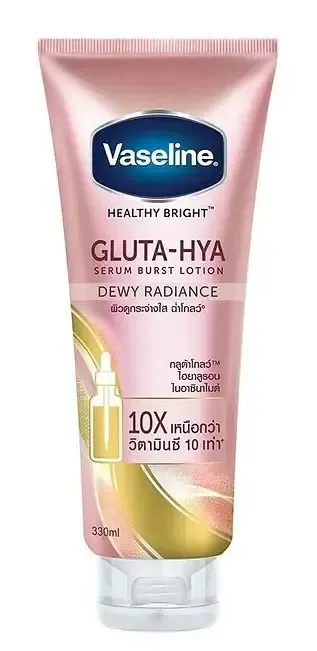
Vaseline Gluta-Hya Serum Burst Lotion Dewy Radiance
Medium risk55/100
Product assessment
No higher-risk flags in the assessed ingredients. This is a screening result, not a guarantee of pregnancy safety.
7 of 7 ingredients rated
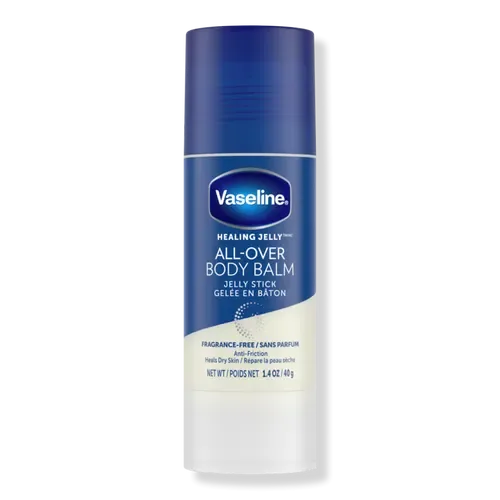
MamaSkin rates the recorded formula for Vaseline Healing Jelly Stick - Unscented as No known risks (99/100). This screening result is not a guarantee of safety for every pregnancy.
No higher-risk ingredient flags are shown in the assessed entries. Ingredients without a matched rating are marked Not assessed, not No known risks.
7 of 7 ingredient entries on this page have a recorded score, evidence summary and source text. That describes documentation coverage, not proof that the finished formula has been clinically tested during pregnancy.
How we assess productsThe recorded formula, with evidence behind each rating. Unmatched ingredients are marked Not assessed in grey.
Highly refined petrolatum (petroleum jelly) is a skin protectant/occlusive with minimal dermal penetration; safety depends on refining/PAH impurity controls and cosmetic/medical grades meet established standards.
Sources: USP White Petrolatum monograph (2021); Petry et al., Food and Chemical Toxicology (2017); PubMed (dermatology review)
Lightweight emollient ester used to soften skin and improve glide. Reviewed cosmetic safety sources support normal topical use, with no pregnancy- or breastfeeding-specific topical signal identified in the material reviewed.
Sources: CIR: Amended Safety Assessment of Alkyl Esters as Used in Cosmetics; EU CosIng / cosmetics regulatory inventory
Highly refined hydrocarbon wax used as an occlusive/thickener. Cosmetic-grade paraffin has minimal skin absorption and no known pregnancy-specific concerns in topical use as intended. Concerns raised online typically relate to unrefined mineral oil impurities or dietary exposure, not cosmetic-grade topical use.
Sources: Cosmetic Ingredient Review (CIR), Safety Assessment of Fossil and Synthetic Waxes as Used in Cosmetics (2025); BfR, Highly refined mineral oils in cosmetics (2018). ; Petry et al. (2017) dermal penetration review.
A purified mineral wax used to structure sticks, balms and creams. Cosmetic safety reviewers reaffirmed ozokerite as safe in current cosmetic use. No pregnancy- or breastfeeding-specific concern is identified for normal topical exposure; airbrush delivery was not supported by sufficient data.
Sources: CIR: Safety Assessment of Fossil and Synthetic Waxes https://www.cir-safety.org/sites/default/files/Fossils%20%26%20Synthetic%20Waxes_0.pdf
Fatty alcohol used as an emollient and thickener. Not the same as drying alcohols and not associated with pregnancy-specific concerns.
Sources: Cosmetic Ingredient Review (US); Scientific Committee on Consumer Safety (EU)
Tocopheryl acetate (vitamin E derivative) is used as an antioxidant and skin-conditioning ingredient; it is considered low concern in topical use with no known pregnancy or breastfeeding risks at cosmetic concentrations.
Sources: CIR; EU/UK Cosmetics Regulation
A Colour Index or lake name for a regulated cosmetic colour additive. Permitted product areas differ by colour, and certified colours must meet applicable identity and purity specifications. No pregnancy-specific concern was identified for compliant topical cosmetic use.
Sources: FDA: Regulatory Status of Color Additives https://hfpappexternal.fda.gov/scripts/fdcc/index.cfm?set=ColorAdditives; FDA: Color Additives Permitted for Use in Cosmetics https://www.fda.gov/cosmetics/cosmetic-ingredient-names/color-additives-permitted-use-cosmetics; 21 CFR Parts 73, 74 and 82.
Petrolatum, Ethylhexyl Palmitate, Paraffin, Ozokerite, Cetearyl Alcohol, Tocopheryl Acetate, Yellow 5 Lake (CI 19140).
Ingredient ratings refreshed 1 October 2026. Formulas vary by market and can change. Always compare with your packaging.
No higher-risk ingredient flags are shown in the assessed entries. Ingredients without a matched rating are marked Not assessed, not No known risks. The product score is a stored assessment, not a clinical safety guarantee.
7 of 7 ingredient entries on this page have a recorded score, evidence summary and source text. That describes documentation coverage, not proof that the finished formula has been clinically tested during pregnancy.
Only if the ingredient list on your packaging matches the recorded formula shown here. Formulas can differ by market and change over time. Compare the full list, not just the product name; report a mismatch if it differs.
No. This page presents a pregnancy-focused product assessment. Do not infer a breastfeeding conclusion from its score or label; breastfeeding requires a separate assessment of the formula and how it is used.