Clinique
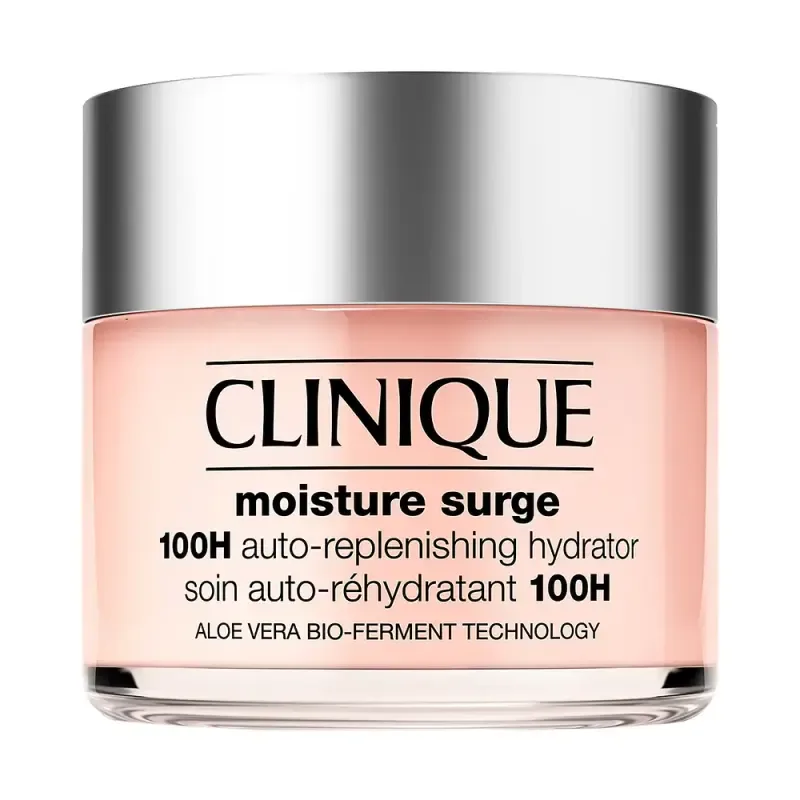
Clinique Moisture Surge™ 100-Hour Auto-Replenishing Hydrator
Medium risk58/100
Some ingredients carry a low-risk flag. Read the formulation context before deciding.
22 of 22 ingredients rated
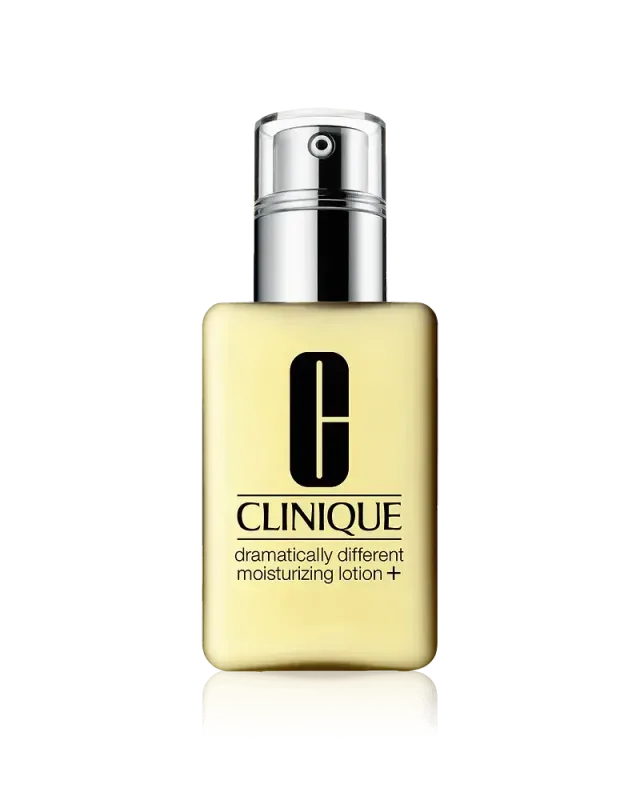
MamaSkin rates the recorded formula for Clinique Dramatically Different Moisturizing Lotion+ as Low risk (75/100). Review the ingredient context and any manual-review explanation before deciding.
The recorded formula includes 2 ingredient entries with risk flags: Triethanolamine (Low risk), Phenoxyethanol (Low risk). These are ingredient-level flags; they do not replace the stored product assessment or account for every formulation detail.
22 of 22 ingredient entries on this page have a recorded score, evidence summary and source text. That describes documentation coverage, not proof that the finished formula has been clinically tested during pregnancy.
How we assess productsThe recorded formula, with evidence behind each rating. Unmatched ingredients are marked Not assessed in grey.
Triethanolamine (TEA) is an alkanolamine used as a pH adjuster and surfactant in cosmetics. The main practical concerns are skin/eye irritation at higher concentrations and the potential formation of nitrosamines if formulated with nitrosating agents (a formulation/impurity-control issue). It is not a typical pregnancy-specific concern at cosmetic use levels; overall risk is primarily local irritation/sensitisation in susceptible users.
Sources: CIR: Triethanolamine ingredient safety information https://www.cir-safety.org/ingredient/triethanolamine
Phenoxyethanol is a preservative permitted in EU cosmetics up to 1.0%. The SCCS concluded it is safe for cosmetic use at that level, including when considering higher cosmetic exposure scenarios in infants and young children. Main practical concern is irritation/stinging on very sensitive or compromised skin rather than a pregnancy- or breastfeeding-specific risk.
Sources: SCCS/1575/16: Phenoxyethanol opinion https://health.ec.europa.eu/publications/phenoxyethanol_en
Water (Aqua) is the standard purified water used as a cosmetic solvent. It has no pregnancy-specific risk in normal topical use.
Sources: https://pubchem.ncbi.nlm.nih.gov/compound/Water, https://single-market-economy.ec.europa.eu/sectors/cosmetics/cosmetic-ingredient-database/cosing-glossary-ingredients_en
Highly refined mineral oil (occlusive emollient). Cosmetic-grade mineral oil has very low skin absorption and is widely considered safe for topical use during pregnancy when used as intended. Concerns raised online typically relate to unrefined/poorly refined mineral oils and dietary mineral oil hydrocarbons, not regulated cosmetic-grade topical use.
Sources: BfR (Federal Institute for Risk Assessment), Highly refined mineral oils in cosmetics: Health risks are not to be expected according to current knowledge (2018). ; Petry et al., Review of data on the dermal penetration of mineral oils and waxes used in cosmetic products (Food and Chemical Toxicology, 2017). ; EFSA, Scientific Opinion on Mineral Oil Hydrocarbons in Food (2012).
Glycerin is a widely used humectant that supports hydration and the skin barrier, with a long safety record and no known pregnancy or breastfeeding concerns in topical cosmetic use.
Sources: CIR; EU/UK Cosmetics Regulation
Highly refined petrolatum (petroleum jelly) is a skin protectant/occlusive with minimal dermal penetration; safety depends on refining/PAH impurity controls and cosmetic/medical grades meet established standards.
Sources: USP White Petrolatum monograph (2021); Petry et al., Food and Chemical Toxicology (2017); PubMed (dermatology review)
Stearic acid is a fatty acid used to stabilise emulsions and improve texture; it is considered low concern in topical cosmetics with no known pregnancy or breastfeeding risks at typical concentrations.
Sources: CIR; EU/UK Cosmetics Regulation
Emulsifier and emollient used to stabilise creams and lotions. Not associated with pregnancy-specific concerns at cosmetic exposure.
Sources: Cosmetic Ingredient Review (US); Scientific Committee on Consumer Safety (EU)
A plant-derived fatty oil or butter used mainly as an emollient, conditioning ingredient or texture agent. Cosmetic safety reviewers concluded that the assessed plant-derived fatty acid oils are safe in current practices of use and concentration. This conclusion applies to cosmetic-grade fixed oils rather than similarly named volatile essential oils. Seed or food allergy may still matter for a susceptible person.
Sources: CIR: Safety Assessment of Plant-Derived Fatty Acid Oils as Used in Cosmetics https://cir-reports.cir-safety.org/view-attachment/?id=ad62ac6b-8e74-ec11-8943-0022482f06a6
A naturally occurring component of skin moisturizing factors, used in cosmetics as a humectant and at higher concentrations as a keratolytic. Ordinary cosmetic use does not identify a pregnancy-specific concern. Higher-strength products may sting or irritate damaged skin. Urea itself is distinct from formaldehyde-releasing preservatives such as imidazolidinyl urea and diazolidinyl urea.
Sources: CIR ingredient record: Urea https://cir-safety.org/ingredient/urea; EU CosIng cosmetic ingredient inventory: Urea
lanolin alcohol is a cosmetic formulation, mineral, sugar-derived or organic-acid ingredient. Available identity, use and related safety evidence did not identify a pregnancy-specific concern for normal topical cosmetic exposure. Cosmetic-grade purity and ordinary irritation precautions remain applicable.
Sources: CIR ingredient and related-family safety assessments; CIR Quick Reference Table https://www.cir-safety.org/supplementaldoc/quick-reference-table-december-2025; European Commission CosIng
A botanical extract or plant water used for conditioning, soothing or antioxidant support. Direct pregnancy studies of this exact cosmetic material were not identified, but no reproductive or developmental hazard was identified for normal topical exposure. Oral herbal or medicinal use is outside this classification.
Sources: European Commission CosIng; CIR botanical safety framework and relevant plant-family assessments; no ingredient-specific human pregnancy study of normal topical cosmetic use was identified.
A cucumber fruit extract used for skin conditioning. Cosmetic safety reviewers concluded that Cucumis sativus-derived ingredients are safe in current cosmetic practices of use and concentration when formulated to avoid sensitisation. No pregnancy-specific concern was identified for normal topical cosmetic exposure, although irritation or allergy to a botanical-containing formula remains possible.
Sources: CIR: Final Safety Assessment of Cucumis sativus (Cucumber)-Derived Ingredients https://cir-safety.org/supplementaldoc/final-safety-assessment-cucumis-sativus-cucumber-derived-ingredients
helianthus annuus seedcake is a botanical-derived cosmetic conditioning ingredient. The reviewed identity is not a concentrated essential oil or an oral herbal preparation. Available cosmetic evidence and expected topical exposure did not identify a pregnancy-specific contraindication, although botanical irritation or allergy remains possible.
Sources: CIR ingredient-specific and botanical-family safety assessments; CIR Quick Reference Table https://www.cir-safety.org/supplementaldoc/quick-reference-table-december-2025; European Commission CosIng
propylene glycol dicaprate is a cosmetic emollient, ester or lipid-derived formulation aid. Related safety assessments support normal cosmetic use, with irritation and penetration-enhancement qualifications retained where relevant. No pregnancy-specific concern was identified for ordinary topical exposure.
Sources: CIR safety assessments of polyglyceryl fatty acid esters, propylene glycol esters, saccharide esters and related cosmetic esters https://www.cir-safety.org/sites/default/files/PGlyFE092016FR.pdf; European Commission CosIng
Sodium hyaluronate (hyaluronic acid salt) is used for hydration and cushioning, with very low systemic absorption from topical use and no known pregnancy or breastfeeding concerns at cosmetic concentrations.
Sources: CIR; EU/UK Cosmetics Regulation
Solvent and humectant commonly used in leave-on products. Not associated with pregnancy-specific concerns at cosmetic exposure levels.
Sources: Cosmetic Ingredient Review (US); Scientific Committee on Consumer Safety (EU)
Humectant and preservative booster. Considered safe for cosmetic use with low systemic exposure.
Sources: Cosmetic Ingredient Review (US); Scientific Committee on Consumer Safety (EU)
Chelating agent used to stabilise formulations; minimal dermal absorption and no known pregnancy or breastfeeding risks at typical cosmetic concentrations.
Sources: CIR; EU/UK Cosmetics Regulation
Also known as FD&C Yellow No. 6 or Sunset Yellow FCF, this certified colour additive is used in cosmetics and other regulated products. FDA permanently lists it for cosmetic use when identity, purity, certification and applicable use requirements are met. It is not authorised for every route or product area. No pregnancy-specific concern is identified for normal use in a compliant finished cosmetic.
Sources: FDA: Regulatory Status of FD&C Yellow No. 6 / C.I. 15985 https://www.hfpappexternal.fda.gov/scripts/fdcc/index.cfm?id=FDCYellow6&set=ColorAdditives; FDA: Color Additives and Cosmetics Fact Sheet https://www.fda.gov/industry/color-additives/color-additives-and-cosmetics-fact-sheet
Also known as FD&C Yellow No. 5 or tartrazine, this certified colour additive is used in cosmetics and other regulated products. FDA permits its use in cosmetics, including the eye area, when identity, purity, certification and use requirements are met. Rare allergy-like reactions can occur, but no pregnancy-specific concern is identified for normal use in a compliant finished cosmetic.
Sources: FDA: Regulatory Status of FD&C Yellow No. 5 / C.I. 19140 https://www.hfpappexternal.fda.gov/scripts/fdcc/index.cfm?id=FDCYellow5&set=ColorAdditives; FDA: Color Additives and Cosmetics Fact Sheet https://www.fda.gov/industry/color-additives/color-additives-and-cosmetics-fact-sheet
Also known as D&C Red No. 33, this certified colour additive is used in cosmetics subject to product-area, concentration, identity, purity and batch-certification requirements. FDA permits specified cosmetic uses but not every route or application area. No pregnancy-specific concern is identified for normal use in a compliant finished cosmetic.
Sources: FDA: Color Additives Permitted for Use in Cosmetics, including D&C Red No. 33 https://www.fda.gov/cosmetics/cosmetic-ingredient-names/color-additives-permitted-use-cosmetics; FDA: Color Additives and Cosmetics Fact Sheet https://www.fda.gov/industry/color-additives/color-additives-and-cosmetics-fact-sheet
Water, Paraffinum Liquidum, Glycerin, Petrolatum, Stearic Acid, Glyceryl Stearate, Sesamum Indicum Seed Oil, Urea, Lanolin Alcohol, Triethanolamine, Hordeum Vulgare Extract, Cucumis Sativus Fruit Extract, Helianthus Annuus Seedcake, Propylene Glycol Dicaprate, Sodium Hyaluronate, Butylene Glycol, Pentylene Glycol, Trisodium EDTA, Phenoxyethanol, CI 15985, CI 19140, CI 17200
Ingredient ratings refreshed 1 October 2026. Formulas vary by market and can change. Always compare with your packaging.
The recorded formula includes 2 ingredient entries with risk flags: Triethanolamine (Low risk), Phenoxyethanol (Low risk). These are ingredient-level flags; they do not replace the stored product assessment or account for every formulation detail. The product score is a stored assessment, not a clinical safety guarantee.
22 of 22 ingredient entries on this page have a recorded score, evidence summary and source text. That describes documentation coverage, not proof that the finished formula has been clinically tested during pregnancy.
Only if the ingredient list on your packaging matches the recorded formula shown here. Formulas can differ by market and change over time. Compare the full list, not just the product name; report a mismatch if it differs.
No. This page presents a pregnancy-focused product assessment. Do not infer a breastfeeding conclusion from its score or label; breastfeeding requires a separate assessment of the formula and how it is used.