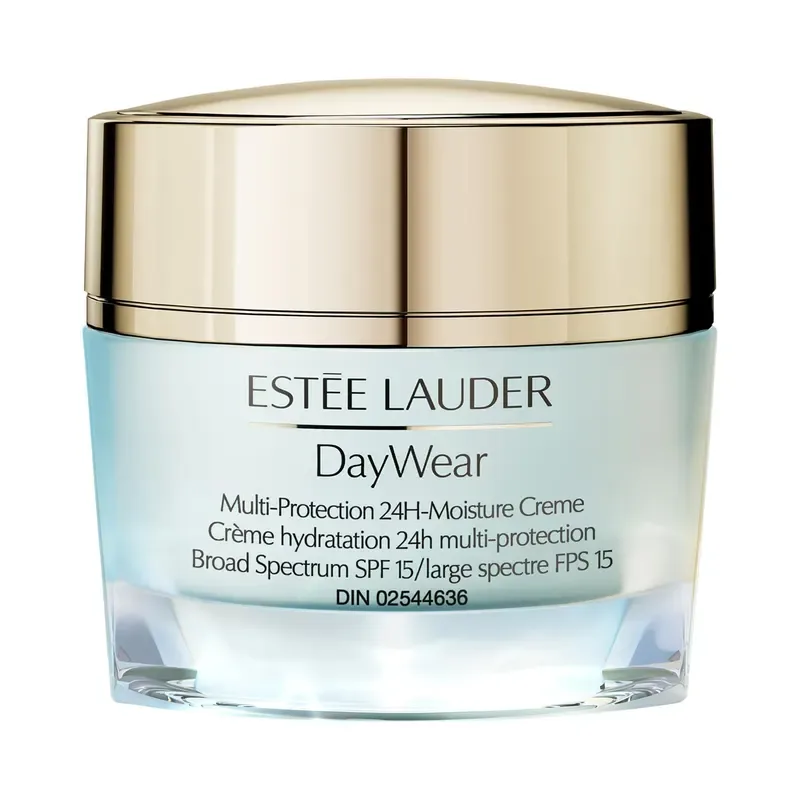
Estée Lauder
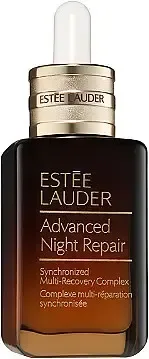
Estée Lauder Advanced Night Repair Synchronized Multi-Recovery Complex Serum
Medium risk58/100
This formula needs extra consideration during pregnancy. Review the flagged ingredients with your healthcare professional.
56 of 57 ingredients rated1 not assessed
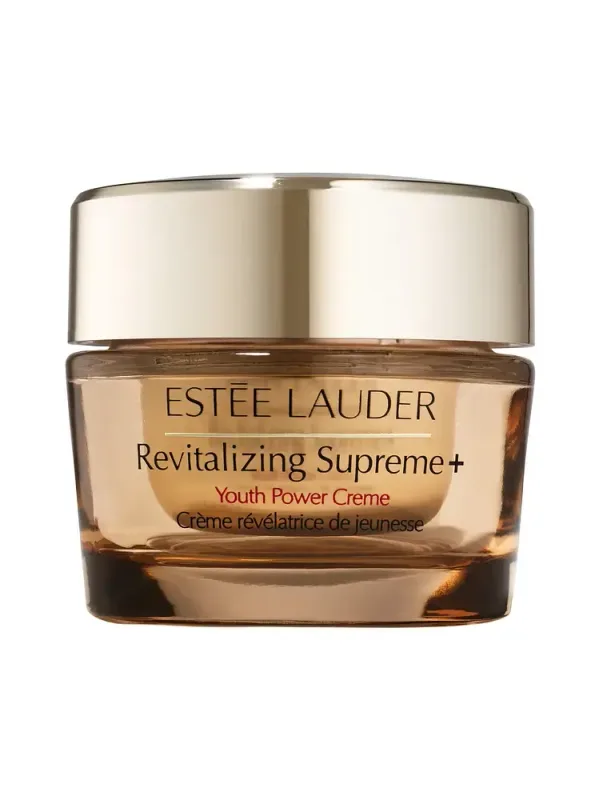
MamaSkin rates the recorded formula for Estée Lauder Revitalizing Supreme+ Youth Power Creme as Medium risk (58/100). Discuss the flagged ingredients with a qualified healthcare professional before using this formula during pregnancy.
The recorded formula includes 6 ingredient entries with risk flags: BHT (Medium risk), Dimethicone (Low risk), PEG-10 Dimethicone (Low risk), plus others listed in the breakdown. These are ingredient-level flags; they do not replace the stored product assessment or account for every formulation detail.
56 of 57 ingredient entries on this page have a recorded score, evidence summary and source text. 1 entry does not have all of those fields. Unmatched or unrated entries are marked Not assessed in grey; missing evidence does not establish safety.
How we assess productsThe recorded formula, with evidence behind each rating. Unmatched ingredients are marked Not assessed in grey.
BHT (butylated hydroxytoluene) is a lipophilic antioxidant used to protect oils from oxidation. Animal studies at high (primarily oral) doses show liver enzyme induction and related biochemical changes; endocrine-screening lines of evidence have also been evaluated in regulatory reviews. Pregnancy-specific human outcome data for topical cosmetic exposure are limited; the key signal is systemic toxicology at higher exposures and uncertainty for pregnancy-specific outcomes.
Sources: SCCS/1636/21: Butylated hydroxytoluene https://health.ec.europa.eu/publications/butylated-hydroxytoluene-bht_en
Umbrella term for an undisclosed fragrance blend. It’s not usually a pregnancy-specific concern at normal cosmetic use levels, but the exact components and concentrations aren’t fully disclosed on the label, so we score it more conservatively. If you prefer maximum transparency (or you’re sensitive to fragrance compounds), choose fragrance-free/unscented products.
Sources: SCCS: Fragrance allergens in cosmetic products https://health.ec.europa.eu/latest-updates/sccs-new-opinion-fragrance-allergens-cosmetic-products-2012-07-31_en
Phenoxyethanol is a preservative permitted in EU cosmetics up to 1.0%. The SCCS concluded it is safe for cosmetic use at that level, including when considering higher cosmetic exposure scenarios in infants and young children. Main practical concern is irritation/stinging on very sensitive or compromised skin rather than a pregnancy- or breastfeeding-specific risk.
Sources: SCCS/1575/16: Phenoxyethanol opinion https://health.ec.europa.eu/publications/phenoxyethanol_en
Dimethicone is a silicone polymer used as a skin protectant and slip/conditioning agent. It is considered inert with minimal dermal absorption; the main practical issues are cosmetic (feel) and occasional irritation in very sensitive users. It is not a pregnancy-specific concern in topical cosmetic use.
Sources: CIR: Amended Safety Assessment of Dimethicone, Methicone, and Substituted-Methicone Polymers as Used in Cosmetics https://cir-safety.org/supplementaldoc/amended-safety-assessment-dimethicone-methicone-and-substituted-methicone-polymers-2
This ingredient is a silicone polymer documented within CIR's broader dimethicone and substituted-methicone family assessment. CIR concluded the reviewed ingredients safe as used when formulated to be non-irritating to skin and eyes. This is family-level cosmetic evidence, not ingredient-specific human pregnancy evidence for every derivative. MamaSkin therefore retains Low Risk without claiming negligible absorption for this individual ingredient.
Sources: CIR: Dimethicone and substituted-methicone polymer assessment https://cir-safety.org/supplementaldoc/safety-assessment-dimethicone-methicone-and-substituted-methicone-polymers-used-cosm
A crosslinked silicone elastomer used as a film former and texture ingredient. Cosmetic safety reviewers concluded that Polysilicone-11 is safe in current cosmetic use. MamaSkin classifies it as low risk for consistency with the existing silicone-polymer policy and because cosmetic-grade manufacturing should control residual starting materials, rather than because of a known pregnancy-specific contraindication.
Sources: CIR: Safety Assessment of Polysilicone-11 as Used in Cosmetics https://www.cir-safety.org/supplementaldoc/safety-assessment-polysilicone-11-used-cosmetics
No matched ingredient rating is available yet. Not assessed does not mean safe or unsafe.
Water (Aqua) is the standard purified water used as a cosmetic solvent. It has no pregnancy-specific risk in normal topical use.
Sources: https://pubchem.ncbi.nlm.nih.gov/compound/Water, https://single-market-economy.ec.europa.eu/sectors/cosmetics/cosmetic-ingredient-database/cosing-glossary-ingredients_en
Glycerin is a widely used humectant that supports hydration and the skin barrier, with a long safety record and no known pregnancy or breastfeeding concerns in topical cosmetic use.
Sources: CIR; EU/UK Cosmetics Regulation
Low-viscosity isoparaffin emollient used for slip and lightweight texture. Reviewed cosmetic safety sources support normal topical use, with no pregnancy- or breastfeeding-specific topical signal identified in the material reviewed.
Sources: CIR: Safety Assessment of Isoparaffins as Used in Cosmetics / CIR Quick Reference Table (Isohexadecane); EU CosIng / cosmetics regulatory inventory
Solvent and humectant commonly used in leave-on products. Not associated with pregnancy-specific concerns at cosmetic exposure levels.
Sources: Cosmetic Ingredient Review (US); Scientific Committee on Consumer Safety (EU)
An ethoxylated silicone used as a humectant, emulsifier and skin-conditioning ingredient. Cosmetic safety assessments of PEG-modified silicones support current topical uses, with low expected absorption of the intact material and control of manufacturing impurities.
Sources: CIR: Safety Assessment of PEG/PPG-modified silicones, including methyl ether dimethicones; CIR December 2025 Quick Reference Table https://cir-safety.org/sites/default/files/QRT-Update-Dec2025.pdf
Mineral-derived organoclay thickener and suspension agent used in creams, makeup and sunscreens. It is expected to have low systemic exposure from topical use, with no pregnancy- or breastfeeding-specific concern identified in reviewed cosmetic references.
Sources: CIR cosmetic ingredient safety references for hectorite/quaternium hectorite ingredients; EU CosIng / cosmetics regulatory inventory
A moringa-seed extract used for skin conditioning and antioxidant support. No pregnancy- or breastfeeding-specific hazard was identified for normal topical cosmetic exposure. Direct ingredient-specific pregnancy studies were not identified, so this assessment does not extend to oral supplements or medicinal use.
Sources: European Commission CosIng ingredient inventory; Cosmetic Ingredient Review botanical safety-assessment framework and relevant ingredient-family assessments. No ingredient-specific human pregnancy study of normal topical cosmetic use was identified.
Sodium hyaluronate (hyaluronic acid salt) is used for hydration and cushioning, with very low systemic absorption from topical use and no known pregnancy or breastfeeding concerns at cosmetic concentrations.
Sources: CIR; EU/UK Cosmetics Regulation
Synthetic peptide used as a skin-conditioning ingredient. Reviewed cosmetic safety sources do not indicate a known pregnancy- or breastfeeding-specific concern in normal topical cosmetic use. The available cosmetic safety assessment concluded this ingredient is safe in cosmetics at concentrations up to 0.005%; safety above that concentration was not established in the reviewed report.
Sources: CIR Expert Panel, Safety Assessment of Acetyl Hexapeptide-8 Amide as Used in Cosmetics, final report, 2021
A brown-algae-derived extract used for skin conditioning and hydration. Cosmetic safety reviewers specifically included this ingredient in the small subset of brown algae extracts found safe in current practices of use and concentration. Manufacturers should control naturally occurring iodine, arsenic and heavy-metal impurities.
Sources: CIR: Safety Assessment of Brown Algae-Derived Ingredients as Used in Cosmetics https://cir-reports.cir-safety.org/view-attachment/?id=c6b5b3d7-8c74-ec11-8943-0022482f06a6
lactis proteinum is a cosmetic formulation, mineral, sugar-derived or organic-acid ingredient. Available identity, use and related safety evidence did not identify a pregnancy-specific concern for normal topical cosmetic exposure. Cosmetic-grade purity and ordinary irritation precautions remain applicable.
Sources: CIR ingredient and related-family safety assessments; CIR Quick Reference Table https://www.cir-safety.org/supplementaldoc/quick-reference-table-december-2025; European Commission CosIng
Native tuna extract contains protein and nutrient constituents with limited intact-skin access. Fish allergy remains relevant, and injected peptides or concentrated medicinal fractions are not covered. Ordinary diluted use on intact external skin is expected to produce low systemic exposure, with no identified pregnancy-specific concern for that preparation. This exposure-based conclusion does not mean pregnancy safety has been proven.
Sources: https://www.bacarelexpress.co.uk/_images/_attachments/379.pdf
An amino-sugar derivative used for skin conditioning and hydration. Cosmetic safety reviewers concluded that acetyl glucosamine is safe in current practices when formulated to be non-irritating. No pregnancy-specific concern was identified for normal topical cosmetic exposure.
Sources: CIR: Safety Assessment of Glucosamine Ingredients as Used in Cosmetics https://www.cir-safety.org/supplementaldoc/safety-assessment-glucosamine-ingredients-used-cosmetics-1
Tocopheryl acetate (vitamin E derivative) is used as an antioxidant and skin-conditioning ingredient; it is considered low concern in topical use with no known pregnancy or breastfeeding risks at cosmetic concentrations.
Sources: CIR; EU/UK Cosmetics Regulation
No pregnancy-specific harm is established for ordinary topical cosmetic exposure to narcissus tazetta bulb extract. Bulb alkaloids including lycorine; no evidence of a systemic cosmetic dose, assay needed if concentrated. Direct human pregnancy data and the exact finished-product concentration are limited; this does not assess oral or medicinal-strength use.
Lightweight emollient used to support the skin barrier. Not associated with pregnancy-specific concerns at cosmetic exposure levels.
Sources: Cosmetic Ingredient Review (US); Scientific Committee on Consumer Safety (EU)
A general algae-derived extract used for skin conditioning, hydration or texture. Normal topical cosmetic exposure has no identified pregnancy-specific concern. The generic name does not establish a specific species, so the assessment does not extend to concentrated oral seaweed supplements.
Sources: CIR assessments of brown and red algae-derived cosmetic ingredients; European Commission CosIng ingredient inventory.
A botanical extract, plant water or plant juice used for conditioning, soothing or antioxidant support. Direct pregnancy studies of this exact cosmetic material were not identified, but no reproductive or developmental hazard was identified for normal topical exposure. Oral herbal or medicinal use is outside this classification.
Sources: European Commission CosIng ingredient inventory; CIR botanical safety framework and relevant plant-derived ingredient assessments; no ingredient-specific human pregnancy study of normal topical cosmetic use was identified.
An apple fruit extract used mainly for skin conditioning. Cosmetic safety reviewers concluded that Pyrus malus fruit extract and the other supported apple-derived ingredients are safe in current cosmetic practices of use and concentration. The conclusion does not extend to several separately identified root, stem, callus or oil ingredients for which evidence was insufficient. No pregnancy-specific concern was identified for normal topical use of the fruit extract.
Sources: CIR: Safety Assessment of Apple-Derived Ingredients as Used in Cosmetics https://cir-reports.cir-safety.org/view-attachment/?id=6376dcde-b1aa-f075-b67c-6f6773d065ce
A cucumber fruit extract used for skin conditioning. Cosmetic safety reviewers concluded that Cucumis sativus-derived ingredients are safe in current cosmetic practices of use and concentration when formulated to avoid sensitisation. No pregnancy-specific concern was identified for normal topical cosmetic exposure, although irritation or allergy to a botanical-containing formula remains possible.
Sources: CIR: Final Safety Assessment of Cucumis sativus (Cucumber)-Derived Ingredients https://cir-safety.org/supplementaldoc/final-safety-assessment-cucumis-sativus-cucumber-derived-ingredients
A botanical extract or plant water used for conditioning, soothing or antioxidant support. Direct pregnancy studies of this exact cosmetic material were not identified, but no reproductive or developmental hazard was identified for normal topical exposure. Oral herbal or medicinal use is outside this classification.
Sources: European Commission CosIng; CIR botanical safety framework and relevant plant-family assessments; no ingredient-specific human pregnancy study of normal topical cosmetic use was identified.
A fruit, seed or food-plant extract used for skin conditioning and antioxidant support. No pregnancy-specific signal was identified for the low topical exposure expected from a finished cosmetic. Direct pregnancy studies are generally unavailable, and botanical allergy remains possible.
Sources: European Commission CosIng ingredient inventory; CIR botanical safety framework and relevant fruit-derived ingredient assessments; peer-reviewed cosmetic and phytochemical literature for the named plants.
Milk-thistle extract is a botanical cosmetic ingredient. This generic extract name must not be silently equated with fruit extract, seed extract, seed oil or a standardized oral silymarin supplement. Direct pregnancy studies of the exact topical extract were not identified. Oral-herbal pregnancy cautions reflect a different exposure and cannot be directly transferred to normal topical cosmetic use; no pregnancy-specific topical hazard was identified. Asteraceae allergy remains possible.
Sources: LactMed milk thistle identity, lactation evidence and allergy cautions https://www.ncbi.nlm.nih.gov/sites/books/NBK501771/; EMA assessment of oral Silybum marianum fruit preparations, not equivalent to cosmetic extract https://www.ema.europa.eu/en/documents/herbal-report/final-assessment-report-silybum-marianum-l-gaertn-fructus_en.pdf; study of topical silymarin constituents and skin tolerance https://pmc.ncbi.nlm.nih.gov/articles/PMC4002699/
gelidiella acerosa extract is a fermentation-, microbial- or algae-derived cosmetic conditioning material. The assessment applies to the defined cosmetic ingredient rather than live organisms or oral supplements. No pregnancy-specific concern was identified for normal topical use; formulation purity and sensitivity remain relevant.
Sources: CIR assessments of microbial polysaccharides, fermentation-derived and algae-derived cosmetic ingredients; CIR Quick Reference Table https://cir-safety.org/sites/default/files/QRT-Update-Dec2025.pdf
A sunflower seed extract used mainly for skin conditioning. Cosmetic safety reviewers concluded that the supported Helianthus annuus-derived ingredients are safe in current cosmetic practices of use and concentration. A person with sunflower allergy may still react, but no pregnancy-specific concern was identified for normal topical exposure.
Sources: CIR: Safety Assessment of Helianthus annuus-Derived Ingredients as Used in Cosmetics https://www.cir-safety.org/sites/default/files/Helianthus%20annuus.pdf
CIR's April 2026 literature review reports cosmetic use concentrations up to 0.046% and no identified developmental or reproductive studies for this exact extract. Traditional emmenagogue use is not evidence that a dilute topical cosmetic causes pregnancy harm. The CIR document is a scientific literature review, not a final safety approval.
Sources: https://cir-safety.org/sites/default/files/SLR_Sigesbeckia%20Orientalis%20Extract_032026.pdf, https://cir-safety.org/meeting/177th-expert-panel-meeting
Methylxanthine used in cosmetics (e.g., de-puffing/firming and antioxidant support). No pregnancy-specific contraindications are identified for topical cosmetic use.
Sources: CIR (Methylxanthines); PubMed (NLM)
A botanical extract or plant water used for conditioning, soothing or antioxidant support. Direct pregnancy studies of this exact cosmetic material were not identified, but no reproductive or developmental hazard was identified for normal topical exposure. Oral herbal or medicinal use is outside this classification.
Sources: European Commission CosIng; CIR botanical safety framework and relevant plant-family assessments; no ingredient-specific human pregnancy study of normal topical cosmetic use was identified.
Humectant and buffer that also forms part of the skin's natural moisturising factor. Reviewed cosmetic safety sources support topical cosmetic use; irritation and sun-sensitivity considerations relate more to formula context than to pregnancy-specific risk.
Sources: CIR: Safety Assessment of Alpha Hydroxy Acids as Used in Cosmetics; CIR: PCA and Its Salts as Used in Cosmetics; EU CosIng / cosmetics regulatory inventory
A botanical extract, juice or water used primarily for skin conditioning, moisturising, soothing or antioxidant support. Direct pregnancy studies of the named cosmetic material were not identified. No reproductive or developmental hazard was identified for normal topical exposure to a compliant finished cosmetic; oral herbal or medicinal use is outside this classification.
Sources: European Commission CosIng ingredient inventory; Cosmetic Ingredient Review botanical safety-assessment framework and relevant plant-family assessments. No ingredient-specific human pregnancy study of normal topical cosmetic use was identified.
Sugar alcohol humectant used to help maintain water content at the skin surface. Reviewed cosmetic safety sources support normal topical use, with no pregnancy- or breastfeeding-specific topical signal identified in the material reviewed.
Sources: CIR: Safety Assessment of Mannitol, Sorbitol, and Xylitol as Used in Cosmetics; EU CosIng / cosmetics regulatory inventory
propylene glycol dicaprate is a cosmetic emollient, ester or lipid-derived formulation aid. Related safety assessments support normal cosmetic use, with irritation and penetration-enhancement qualifications retained where relevant. No pregnancy-specific concern was identified for ordinary topical exposure.
Sources: CIR safety assessments of polyglyceryl fatty acid esters, propylene glycol esters, saccharide esters and related cosmetic esters https://www.cir-safety.org/sites/default/files/PGlyFE092016FR.pdf; European Commission CosIng
This sugar or sugar alcohol is used as a humectant and skin-conditioning ingredient. Cosmetic Ingredient Review assessments support these saccharides in current cosmetic use, with no pregnancy- or breastfeeding-specific concern identified for normal topical exposure.
Sources: CIR: Safety Assessment of Monosaccharides Disaccharides and Related Ingredients as Used in Cosmetics https://cir-safety.org/supplementaldoc/safety-assessment-monosaccharides-disaccharides-and-related-ingredients-used-cosmeti
Natural-moisturising-factor humectant that helps bind water in the stratum corneum. Reviewed cosmetic safety sources support normal topical use, with no pregnancy- or breastfeeding-specific topical signal identified in the material reviewed.
Sources: CIR: Safety Assessment of PCA and Its Salts as Used in Cosmetics; EU CosIng / cosmetics regulatory inventory
aminopropyl ascorbyl phosphate is an antioxidant or vitamin-related cosmetic conditioning ingredient. Available ingredient and family evidence did not identify a pregnancy-specific concern at normal topical cosmetic exposure. This classification does not extend to oral supplements or medicinal doses.
Sources: CIR safety assessments of ascorbates and related antioxidant ingredients; European Commission CosIng; CIR Quick Reference Table https://cir-safety.org/sites/default/files/QRT-Update-Dec2025.pdf
Humectant and preservative booster. Considered safe for cosmetic use with low systemic exposure.
Sources: Cosmetic Ingredient Review (US); Scientific Committee on Consumer Safety (EU)
Humectant and preservative booster used to support product stability. Low systemic exposure expected from topical cosmetic use.
Sources: Scientific Committee on Consumer Safety (EU); Cosmetic Ingredient Review (US)
Solvent and viscosity-control ingredient used in cosmetic formulas, often with clay thickeners. Reviewed cosmetic ingredient references do not identify a pregnancy- or breastfeeding-specific concern for normal topical use.
Sources: CIR cosmetic ingredient safety references for carbonate solvents; EU CosIng / cosmetics regulatory inventory
Inert polymer used as a film former, thickener or texture ingredient in cosmetics. Normal topical use is expected to have low systemic exposure, with no pregnancy- or breastfeeding-specific concern identified in reviewed cosmetic references.
Sources: CIR cosmetic ingredient safety references for polyethylene and related polymers; EU CosIng / cosmetics regulatory inventory
A polyethylene glycol used as a humectant, solvent or texture aid. Cosmetic safety reviewers concluded that PEG-32 is safe in current practices of use and concentration. Manufacturing controls should limit residual ethylene oxide and 1,4-dioxane.
Sources: CIR: PEG-6, PEG-8, PEG-32, PEG-75, PEG-150 and PEG-14M conclusions, JACT 12(4), 1993 and final report June 2010; December 2025 Quick Reference Table https://cir-safety.org/sites/default/files/QRT-Update-Dec2025.pdf
A cosmetic functional ingredient used for conditioning, texture or formula support. Available cosmetic-use information did not identify a reproductive or developmental hazard from normal topical exposure.
Sources: European Commission CosIng ingredient inventory; relevant CIR cosmetic safety assessments and peer-reviewed cosmetic-use literature.
Disodium EDTA is a chelating agent used to improve formula stability and performance; it is considered low concern in topical cosmetic use, with no known pregnancy or breastfeeding risks at typical concentrations.
Sources: CIR; EU/UK Cosmetics Regulation
isoceteth-20 is used as a cosmetic surfactant, emulsifier or conditioning agent. Relevant cosmetic-safety assessments support use when formulated to be non-irritating and with appropriate impurity controls. Local skin or eye irritation is possible at higher concentrations, but no pregnancy-specific concern was identified for normal topical or rinse-off use.
Sources: CIR safety assessments of alkyl PEG ethers, N-acyl taurates, fatty amidopropyl amines and related cosmetic surfactants https://www.cir-safety.org/sites/default/files/taurat122015FR.pdf; CIR Quick Reference Table https://cir-safety.org/sites/default/files/QRT-Update-Dec2025.pdf
Volatile emollient/solvent used for slip, quick-dry texture and makeup wear. Reviewed cosmetic ingredient references support normal topical use, with no pregnancy- or breastfeeding-specific topical concern identified.
Sources: CIR: Safety Assessment of Isoparaffins as Used in Cosmetics; EU CosIng / cosmetics regulatory inventory
pH adjuster used in small amounts to maintain product stability. Not associated with pregnancy-specific concerns.
Sources: Scientific Committee on Consumer Safety (EU); European cosmetics regulatory framework
Buffering and chelating ingredient used to control pH and formulation stability. Reviewed cosmetic safety sources support normal topical use, with no pregnancy- or breastfeeding-specific topical signal identified in the material reviewed.
Sources: CIR: Safety Assessment of Citric Acid, Inorganic Citrate Salts, and Alkyl Citrate Esters as Used in Cosmetics; EU CosIng / cosmetics regulatory inventory
Preservative widely used in foods and cosmetics. Considered safe at regulated concentrations with low systemic exposure from topical use.
Sources: Scientific Committee on Consumer Safety (EU); European cosmetics regulatory framework
A preservative used at low concentrations to keep cosmetic formulas microbiologically stable. Cosmetic safety reviewers concluded that sodium dehydroacetate is safe in current cosmetic use and reaffirmed that conclusion in 2023 after reviewing updated exposure and safety information. Rare contact hypersensitivity has been reported, but no pregnancy-specific concern is identified for normal topical cosmetic exposure.
Sources: CIR: 2023 Re-Review Summary for Sodium Dehydroacetate and Dehydroacetic Acid https://www.cir-safety.org/sites/default/files/RRsum_SodiumDehydroacetate_122023.pdf
Preservative widely used in foods and cosmetics. Considered safe at regulated concentrations with low systemic exposure from topical use.
Sources: Scientific Committee on Consumer Safety (EU); European cosmetics regulatory framework
Colour Index for iron oxides (red). Used as an insoluble mineral pigment in makeup and tinted skincare. Very low dermal absorption in typical topical use and generally considered acceptable in pregnancy and breastfeeding. Avoid inhaling loose powders or sprays if you prefer a cautious approach.
Sources: General cosmetic ingredient safety references for insoluble mineral pigments; exposure route considerations for powders/sprays.
Water, Dimethicone, Glycerin, Isohexadecane, Butylene Glycol, Bis-PEG-18 Methyl Ether Dimethyl Silane, PEG-10 Dimethicone, Disteardimonium Hectorite, Moringa Oleifera Seed Extract, Hibiscus Sinensis Flower Extract, Sodium Hyaluronate, Acetyl Hexapeptide-8, Laminaria Digitata Extract, Lactis Proteinum, Tuna Extract, Acetyl Glucosamine, Tocopheryl Acetate, Narcissus Tazetta Bulb Extract, Squalane, Algae Extract, Hypnea Musciformis Extract, Pyrus Malus Fruit Extract, Cucumis Sativus Fruit Extract, Lens Esculenta Fruit Extract, Citrullus Lanatus Fruit Extract, Silybum Marianum Extract, Gelidiella Acerosa Extract, Helianthus Annuus Seed Extract, Sigesbeckia Orientalis Extract, Caffeine, Hordeum Vulgare Extract, Sodium Lactate, Triticum Vulgare Germ Extract, Sorbitol, Propylene Glycol Dicaprate, Sucrose, Sodium PCA, Aminopropyl Ascorbyl Phosphate, Pentylene Glycol, Caprylyl Glycol, Propylene Carbonate, Polyethylene, Polysilicone-11, PEG-32, PEG-6, Disodium EDTA, Isoceteth-20, Isododecane, Citric Acid, Parfum, BHT, Sodium Citrate, Potassium Sorbate, Sodium Dehydroacetate, Sodium Benzoate, Phenoxyethanol, CI 77491
Ingredient ratings refreshed 15 October 2026. Formulas vary by market and can change. Always compare with your packaging.
The recorded formula includes 6 ingredient entries with risk flags: BHT (Medium risk), Dimethicone (Low risk), PEG-10 Dimethicone (Low risk), plus others listed in the breakdown. These are ingredient-level flags; they do not replace the stored product assessment or account for every formulation detail. Incomplete ingredient documentation does not establish safety; see the coverage answer and grey entries below.
56 of 57 ingredient entries on this page have a recorded score, evidence summary and source text. 1 entry does not have all of those fields. Unmatched or unrated entries are marked Not assessed in grey; missing evidence does not establish safety.
Only if the ingredient list on your packaging matches the recorded formula shown here. Formulas can differ by market and change over time. Compare the full list, not just the product name; report a mismatch if it differs.
No. This page presents a pregnancy-focused product assessment. Do not infer a breastfeeding conclusion from its score or label; breastfeeding requires a separate assessment of the formula and how it is used.
Estée Lauder
Estée Lauder
Estée Lauder