Naturium
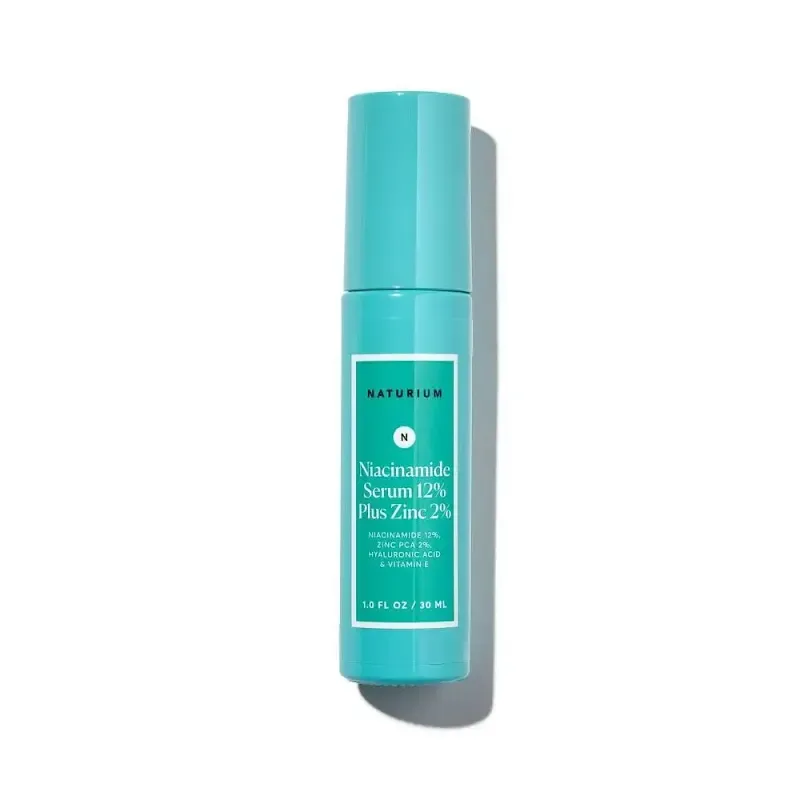
Naturium Niacinamide Serum 12% Plus Zinc 2%
Low risk75/100
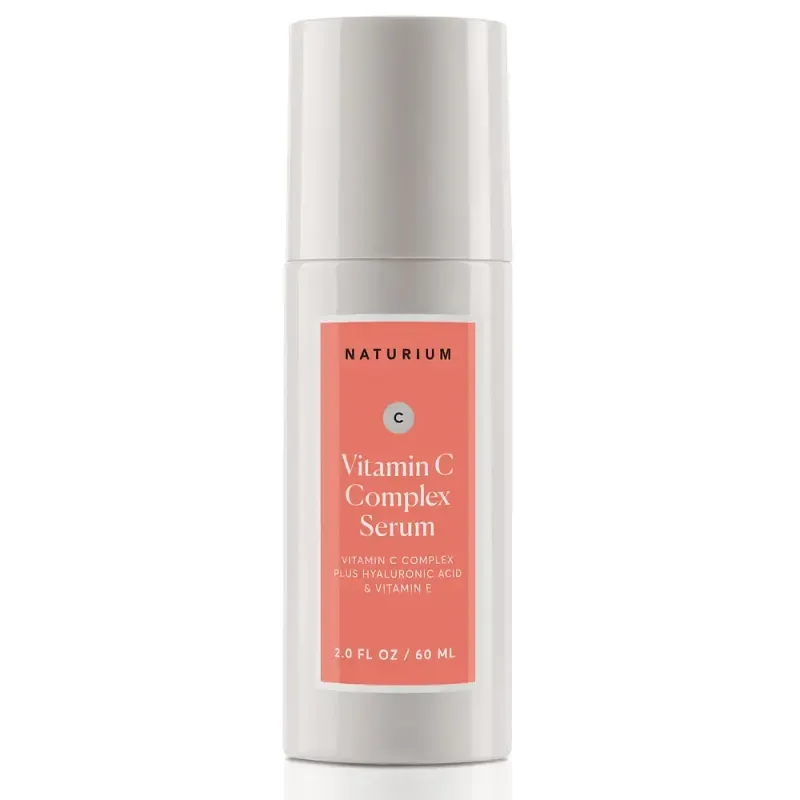
MamaSkin rates the recorded formula for Naturium Vitamin C Complex Serum as Low risk (76/100). Review the ingredient context and any manual-review explanation before deciding.
The recorded formula includes 1 ingredient entry with a risk flag: Phenoxyethanol (Low risk). These are ingredient-level flags; they do not replace the stored product assessment or account for every formulation detail.
35 of 35 ingredient entries on this page have a recorded score, evidence summary and source text. That describes documentation coverage, not proof that the finished formula has been clinically tested during pregnancy.
How we assess productsThe recorded formula, with evidence behind each rating. Unmatched ingredients are marked Not assessed in grey.
Phenoxyethanol is a preservative permitted in EU cosmetics up to 1.0%. The SCCS concluded it is safe for cosmetic use at that level, including when considering higher cosmetic exposure scenarios in infants and young children. Main practical concern is irritation/stinging on very sensitive or compromised skin rather than a pregnancy- or breastfeeding-specific risk.
Sources: SCCS/1575/16: Phenoxyethanol opinion https://health.ec.europa.eu/publications/phenoxyethanol_en
Water (Aqua) is the standard purified water used as a cosmetic solvent. It has no pregnancy-specific risk in normal topical use.
Sources: https://pubchem.ncbi.nlm.nih.gov/compound/Water, https://single-market-economy.ec.europa.eu/sectors/cosmetics/cosmetic-ingredient-database/cosing-glossary-ingredients_en
Glycerin is a widely used humectant that supports hydration and the skin barrier, with a long safety record and no known pregnancy or breastfeeding concerns in topical cosmetic use.
Sources: CIR; EU/UK Cosmetics Regulation
Solvent and humectant used to improve texture and ingredient solubility. Low systemic exposure expected from topical cosmetic use.
Sources: Cosmetic Ingredient Review (US); Scientific Committee on Consumer Safety (EU)
A water-soluble vitamin C derivative used as an antioxidant and skin-conditioning ingredient. Cosmetic safety reviewers concluded that sodium ascorbyl phosphate and the reviewed ascorbates are safe in cosmetic use and later reaffirmed that conclusion after reviewing updated use and safety data. No pregnancy-specific concern is identified for normal topical exposure.
Sources: CIR ingredient record: Sodium Ascorbyl Phosphate https://www.cir-safety.org/ingredient/sodium-ascorbyl-phosphate; CIR: Safety Assessment and Re-Review of Ascorbic Acid and Ascorbates https://www.cir-safety.org/sites/default/files/RRSums_2.pdf
Vitamin C antioxidant used to support brightness and photoprotection; functions as an antioxidant/pH adjuster in cosmetic formulas. No pregnancy-specific contraindications are identified for topical cosmetic use.
Sources: CIR (Ascorbic Acid); PubMed (NLM)
An antioxidant peptide naturally present in the body and used in topical products for skin conditioning and tone. Clinical studies and systematic reviews report generally good tolerance of topical glutathione, although evidence for cosmetic benefits remains limited. No pregnancy-specific topical signal was identified.
Sources: PubMed: Systematic Review of the Efficacy and Safety of Topical Glutathione in Dermatology https://pubmed.ncbi.nlm.nih.gov/41416233/; PubMed: topical oxidized glutathione clinical trial https://pubmed.ncbi.nlm.nih.gov/25378941/
A fruit, seed or food-plant extract used for skin conditioning and antioxidant support. No pregnancy-specific signal was identified for the low topical exposure expected from a finished cosmetic. Direct pregnancy studies are generally unavailable, and botanical allergy remains possible.
Sources: European Commission CosIng ingredient inventory; CIR botanical safety framework and relevant fruit-derived ingredient assessments; peer-reviewed cosmetic and phytochemical literature for the named plants.
A papaya fruit extract used for skin conditioning. Cosmetic safety reviewers concluded that Carica papaya fruit and fruit-derived ingredients are safe in current cosmetic practices; this conclusion does not extend to papaya leaf extract, for which the available evidence was insufficient. No pregnancy-specific concern was identified for normal topical cosmetic exposure.
Sources: CIR: Safety Assessment of Carica papaya-Derived Ingredients as Used in Cosmetics, final 2025 https://cir-reports.cir-safety.org/view-attachment/?id=3ca24ad2-9f93-1b6c-a453-2da467b3c7c2
A botanical extract, juice or water used primarily for skin conditioning, moisturising, soothing or antioxidant support. Direct pregnancy studies of the named cosmetic material were not identified. No reproductive or developmental hazard was identified for normal topical exposure to a compliant finished cosmetic; oral herbal or medicinal use is outside this classification.
Sources: European Commission CosIng ingredient inventory; Cosmetic Ingredient Review botanical safety-assessment framework and relevant plant-family assessments. No ingredient-specific human pregnancy study of normal topical cosmetic use was identified.
A fruit, seed or food-plant extract used for skin conditioning and antioxidant support. No pregnancy-specific signal was identified for the low topical exposure expected from a finished cosmetic. Direct pregnancy studies are generally unavailable, and botanical allergy remains possible.
Sources: European Commission CosIng ingredient inventory; CIR botanical safety framework and relevant fruit-derived ingredient assessments; peer-reviewed cosmetic and phytochemical literature for the named plants.
Burdekin-plum fruit extract is supplied in a diluted glycerin/water matrix. This does not cover other plant parts, oral concentrates or engineered delivery. Ordinary diluted use on intact external skin is expected to produce low systemic exposure, with no identified pregnancy-specific concern for that preparation. This exposure-based conclusion does not mean pregnancy safety has been proven.
Sources: https://www.ellementalpro.com/download/1808_TDSs.pdf, https://www.ellementalpro.com/download/1808_SDSs.pdf
Illawarra-plum fruit extract is supplied in a diluted glycerin/water cosmetic matrix. Findings about other Podocarpus species or plant parts cannot automatically be assigned to this fruit preparation. Ordinary diluted use on intact external skin is expected to produce low systemic exposure, with no identified pregnancy-specific concern for that preparation. This exposure-based conclusion does not mean pregnancy safety has been proven.
Sources: https://www.ellementalpro.com/download/1808_TDSs.pdf, https://www.ellementalpro.com/download/1808_SDSs.pdf
Aloe barbadensis leaf juice is commonly used for soothing and hydration; topical use is considered low concern with no known pregnancy or breastfeeding risks, although rare sensitivities can occur.
Sources: CIR; EU/UK Cosmetics Regulation
Sodium hyaluronate (hyaluronic acid salt) is used for hydration and cushioning, with very low systemic absorption from topical use and no known pregnancy or breastfeeding concerns at cosmetic concentrations.
Sources: CIR; EU/UK Cosmetics Regulation
Polymer thickener used to create gel textures. Large-molecule ingredient with negligible systemic absorption.
Sources: Cosmetic Ingredient Review (US); Scientific Committee on Consumer Safety (EU)
Tocopheryl acetate (vitamin E derivative) is used as an antioxidant and skin-conditioning ingredient; it is considered low concern in topical use with no known pregnancy or breastfeeding risks at cosmetic concentrations.
Sources: CIR; EU/UK Cosmetics Regulation
Humectant and preservative booster used to support product stability. Low systemic exposure expected from topical cosmetic use.
Sources: Scientific Committee on Consumer Safety (EU); Cosmetic Ingredient Review (US)
pH adjuster used in small amounts to maintain product stability. Not associated with pregnancy-specific concerns.
Sources: Scientific Committee on Consumer Safety (EU); European cosmetics regulatory framework
Cellulose-derived thickener used to build viscosity and improve texture. Reviewed cosmetic safety sources support normal topical use, with no pregnancy- or breastfeeding-specific topical signal identified in the material reviewed.
Sources: CIR Quick Reference Table / ingredient status (Hydroxyethylcellulose, Final Report 03/2009); EU CosIng / cosmetics regulatory inventory
pH adjuster used in very small quantities to balance formulations. Not associated with pregnancy-specific concerns.
Sources: Scientific Committee on Consumer Safety (EU); European cosmetics regulatory framework
Film-forming polysaccharide used for soothing and hydration support. Reviewed cosmetic safety sources support normal topical use, with no pregnancy- or breastfeeding-specific topical signal identified in the material reviewed.
Sources: CIR: Safety Assessment of Microbial Polysaccharide Gums as Used in Cosmetics; EU CosIng / cosmetics regulatory inventory
Preservative widely used in foods and cosmetics. Considered safe at regulated concentrations with low systemic exposure from topical use.
Sources: Scientific Committee on Consumer Safety (EU); European cosmetics regulatory framework
Solvent and humectant used to improve texture and ingredient solubility in topical cosmetics. Reviewed cosmetic ingredient references do not identify a pregnancy- or breastfeeding-specific concern for normal topical use.
Sources: CIR cosmetic ingredient safety references for alkane diols/glycols; EU CosIng / cosmetics regulatory inventory
Sugar alcohol humectant used to help maintain water content at the skin surface. Reviewed cosmetic safety sources support normal topical use, with no pregnancy- or breastfeeding-specific topical signal identified in the material reviewed.
Sources: CIR: Safety Assessment of Mannitol, Sorbitol, and Xylitol as Used in Cosmetics; EU CosIng / cosmetics regulatory inventory
Natural polysaccharide thickener used for stability and texture. Not associated with pregnancy-specific concerns.
Sources: European cosmetics regulatory framework
A seaweed-derived polysaccharide used as a thickener and stabiliser. Cosmetic safety reviewers included algin in the plant polysaccharide gums group and concluded that the group is safe in current practices of use and concentration. No pregnancy-specific concern was identified for normal topical cosmetic use.
Sources: CIR: Safety Assessment of Plant Polysaccharide Gums as Used in Cosmetics https://www.cir-safety.org/sites/default/files/plpogu092014slr.pdf
Preservative acid used to help control microbial growth and support formula stability. Reviewed cosmetic safety sources support current cosmetic use, with no pregnancy- or breastfeeding-specific topical concern identified in the material reviewed; some users may still notice local irritation or stinging, especially on compromised skin.
Sources: CIR: Safety Assessment of Benzoic Acid and Sodium Benzoate as Used in Cosmetics; EU CosIng / cosmetics regulatory inventory
Preservative acid used to help protect products from yeast, mould, and some bacteria. Reviewed cosmetic safety sources support current cosmetic use, with no pregnancy- or breastfeeding-specific topical concern identified in the material reviewed; some users may still notice local irritation or stinging, especially on reactive skin.
Sources: CIR: Safety Assessment of Sorbic Acid and Potassium Sorbate as Used in Cosmetics; EU CosIng / cosmetics regulatory inventory
1,2-Hexanediol is commonly used as a solvent and preservative booster; topical exposure is low and it has no known pregnancy or breastfeeding concerns at cosmetic concentrations, though very sensitive skin may occasionally react.
Sources: CIR; EU/UK Cosmetics Regulation
Preservative widely used in foods and cosmetics. Considered safe at regulated concentrations with low systemic exposure from topical use.
Sources: Scientific Committee on Consumer Safety (EU); European cosmetics regulatory framework
An inorganic phosphate salt used mainly to buffer or adjust the pH of a formula. Cosmetic safety reviewers concluded that phosphoric acid and its simple salts, including disodium phosphate, are safe in current cosmetic use when products are formulated to avoid irritation. No pregnancy-specific concern is identified for normal topical exposure.
Sources: CIR: Safety Assessment of Phosphoric Acid and Its Simple Salts https://cir-safety.org/supplementaldoc/safety-assessment-phosphoric-acid-and-simple-salts-used-cosmetics-0
An insoluble mineral or elemental particle used for optical effects, absorbency or cosmetic texture. Meaningful systemic exposure through intact skin is expected to be low. No pregnancy- or reproductive-toxicity signal was identified for normal topical cosmetic use. Particle size, source purity, metal impurities and inhalation of airborne powder remain formulation-specific considerations, and local contact allergy is possible with gold.
Sources: European Commission CosIng ingredient inventory; SCCS guidance on the safety assessment of nanomaterials in cosmetics https://health.ec.europa.eu/scientific-committees/scientific-committee-consumer-safety-sccs_en; published cosmetic and dermatology literature for gold, diamond powder and perlite.
Nonionic emulsifier and solubilizer used to help oil and water phases mix. Reviewed cosmetic safety sources support normal topical use, with no pregnancy- or breastfeeding-specific topical signal identified.
Sources: CIR: Safety Assessment of Polysorbates as Used in Cosmetics; EU CosIng / cosmetics regulatory inventory
An inorganic phosphate salt used mainly to buffer or adjust the pH of a formula. Cosmetic safety reviewers concluded that phosphoric acid and its simple salts, including sodium phosphate, are safe in current cosmetic use when products are formulated to avoid irritation. No pregnancy-specific concern is identified for normal topical exposure.
Sources: CIR: Safety Assessment of Phosphoric Acid and Its Simple Salts https://cir-safety.org/supplementaldoc/safety-assessment-phosphoric-acid-and-simple-salts-used-cosmetics-0
Water, Glycerin, Propanediol, Sodium Ascorbyl Phosphate, Ascorbic Acid, Glutathione, Ananas Sativus Fruit Extract, Carica Papaya Fruit Extract, Mangifera Indica Fruit Extract, Terminalia Ferdinandiana Fruit Extract, Pleiogynium Timoriense Fruit Extract, Podocarpus Elatus Fruit Extract, Aloe Barbadensis Leaf Juice, Sodium Hyaluronate, Carbomer, Tocopheryl Acetate, Phenoxyethanol, Caprylyl Glycol, Citric Acid, Hydroxyethylcellulose, Sodium Hydroxide, Beta-Glucan, Potassium Sorbate, Hexylene Glycol, Sorbitol, Xanthan Gum, Algin, Benzoic Acid, Sorbic Acid, 1,2-Hexanediol, Sodium Benzoate, Disodium Phosphate, Gold, Polysorbate 60, Sodium Phosphate
Ingredient ratings refreshed 15 October 2026. Formulas vary by market and can change. Always compare with your packaging.
The recorded formula includes 1 ingredient entry with a risk flag: Phenoxyethanol (Low risk). These are ingredient-level flags; they do not replace the stored product assessment or account for every formulation detail. The product score is a stored assessment, not a clinical safety guarantee.
35 of 35 ingredient entries on this page have a recorded score, evidence summary and source text. That describes documentation coverage, not proof that the finished formula has been clinically tested during pregnancy.
Only if the ingredient list on your packaging matches the recorded formula shown here. Formulas can differ by market and change over time. Compare the full list, not just the product name; report a mismatch if it differs.
No. This page presents a pregnancy-focused product assessment. Do not infer a breastfeeding conclusion from its score or label; breastfeeding requires a separate assessment of the formula and how it is used.